
This article has been reviewed according to Science X's editorial process and policies. Editors have highlighted the following attributes while ensuring the content's credibility:
A new large study led by UC Davis and UC San Francisco researchers has found that higher cumulative radiation dose to the brain from medical imaging during childhood is linked to a greater brain tumor risk in children and adolescents. Brain tumors are the second most common childhood cancers and are the leading cause of cancer death among children and adolescents.
"The study found that the risk of a brain tumor remains small in children exposed to ionizing radiation from medical imaging; however, risk increased with higher radiation exposure," said the study's first author Diana Miglioretti, a UC Davis Health professor and chief of the Division of Biostatistics.
The findings support the need for careful clinical justification of pediatric imaging that uses ionizing radiation (such as CT scans) and dose optimization when imaging is needed. The study is published in JAMA.
According to the Centers for Disease Control and Prevention (CDC), ionizing radiation is a powerful form of energy. Its medical applications include diagnostic testing such as:
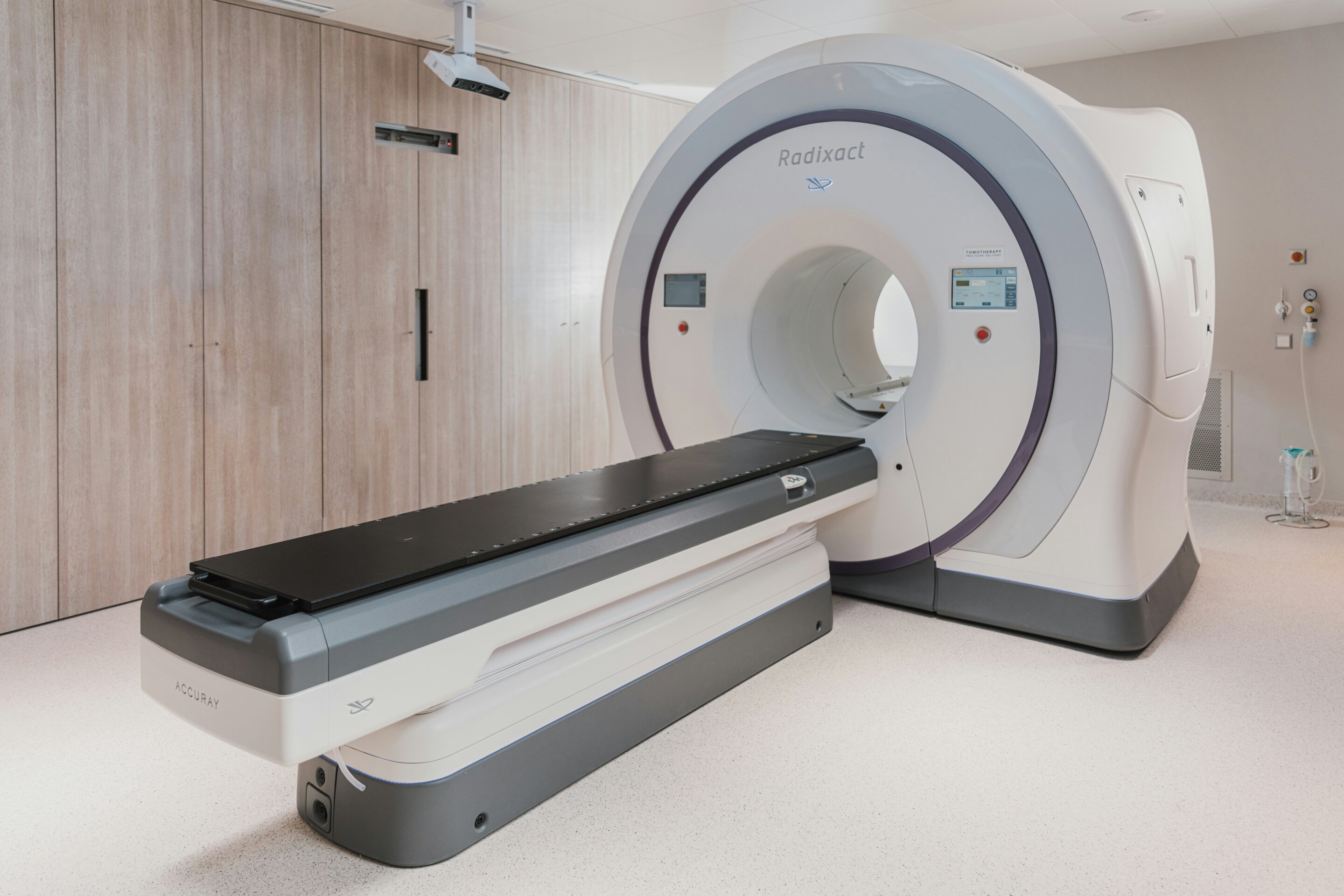
These tests may be used to find health problems such as cancer, learn what is causing pain or other symptoms or plan optimal treatment. They can also help monitor conditions, such as scoliosis, and guide medical procedures, such as placing catheters and stents. The head is the most commonly imaged region of the body in children. A CT scan of the head delivers substantially higher radiation doses to the brain compared with most other imaging types.
Source link





