
This article has been reviewed according to Science X's editorial process and policies. Editors have highlighted the following attributes while ensuring the content's credibility:
The heart gives warning signs. It does so through small electrical variations—signals so subtle that until now they have gone unnoticed among the millions of data points generated by implantable defibrillators. Today, thanks to remote analysis of the cardiac signal, these whispers can become an early warning.
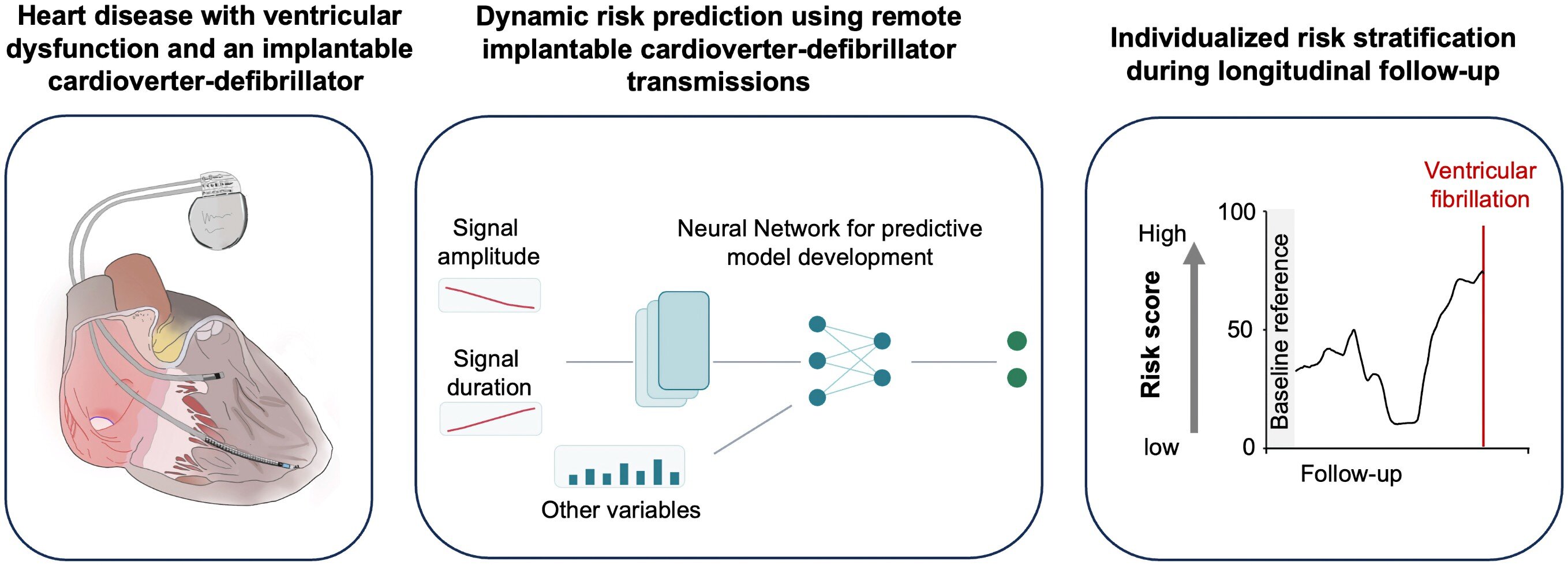
The Centro Nacional de Investigaciones Cardiovasculares Carlos III (CNIC) has developed a cardiac electrical signal analysis model capable of identifying the periods when people with an implantable defibrillator are at greatest risk of severe arrhythmia.
Thousands of heart failure patients currently carry an implantable cardioverter-defibrillator (ICD). Defibrillators detect and treat severe arrhythmias, sometimes via an electrical shock, in patients at risk of sudden death, including people with heart failure. Although they save lives, the shocks they generate are not without consequence, so knowing when a patient enters a period of greater vulnerability to this type of arrhythmia remains an unresolved need.
The research, published in Circulation: Arrhythmia and Electrophysiology, shows that progressive changes in the electrical signals recorded by these devices—transmitted periodically and remotely to the hospital—make it possible to dynamically determine the risk of ventricular fibrillation, the most dangerous cardiac arrhythmia.
This new research proposes a paradigm shift. Rather than simply reacting once an arrhythmia appears, the defibrillator could help anticipate when one is about to occur.
The team started from a simple premise: as heart failure worsens, pressure inside the heart rises, its walls stretch further, and the propagation of the electrical impulse is disrupted.
Source link





