
This article has been reviewed according to Science X's editorial process and policies. Editors have highlighted the following attributes while ensuring the content's credibility:
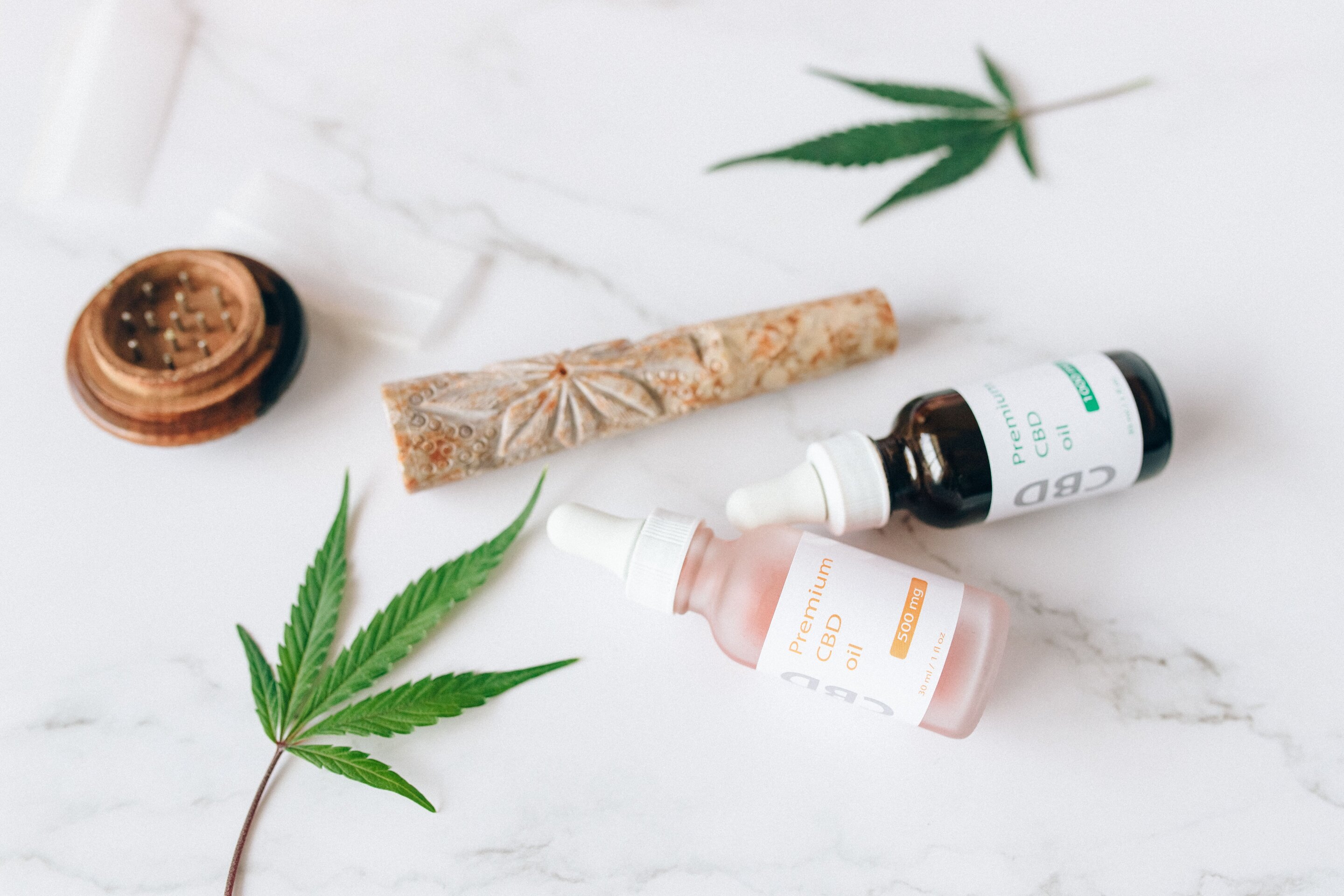
Cannabis contains two key compounds that act on the brain: cannabidiol (CBD) and tetrahydrocannabinol (THC). Although both interact with the body's endocannabinoid system, the outcomes of consuming them are poles apart. THC is the compound responsible for marijuana's intoxicating high and can sometimes trigger adverse effects, including psychosis. CBD, on the other hand, is associated with potential anxiety-relieving and anti-inflammatory effects. Despite limited evidence that it works, over the last decade, CBD-rich medical cannabis has gained popularity as a treatment for behavioral problems in children with autism spectrum disorder (ASD).
A recent study published in JAMA Pediatrics has put CBD to the test, investigating if the compound can help curb severe behavioral problems, including aggression and self-harm, in children and teenagers with intellectual disabilities.
After 10 weeks, the researchers compared the outcomes of children who received pure CBD oil daily for eight weeks with those who received a matching placebo oil. They found that children who received CBD showed no greater improvement in behavioral scores than those given the placebo. By the end of treatment, average irritability scores dropped from 32.2 to 21.7 in the CBD group and from 30 to 19.2 in the placebo group; this difference wasn't significant.
Severe behavioral problems such as irritability, aggression, a tendency to self-harm and running away from home are common among children and teens with intellectual disability.
Source link





