
This article has been reviewed according to Science X's editorial process and policies. Editors have highlighted the following attributes while ensuring the content's credibility:
For patients with systemic lupus erythematosus (SLE), chimeric antigen receptor T-cell (CAR T-cell) therapy is associated with consistent reductions in disease activity, according to research presented at the annual meeting of the American College of Rheumatology (ACR Convergence 2026), held from Nov. 6 to 11 in Orlando, Florida.
Alberto Nordmann-Gomes, M.D., from Boston University Medical Center, and colleagues conducted a systematic review of all clinical studies assessing safety and/or efficacy outcomes for CAR T-cell therapy in SLE. Data were included from 31 studies, with a combined population of 243 participants. All studies included patients with refractory SLE who had failed two or more immunosuppressants.
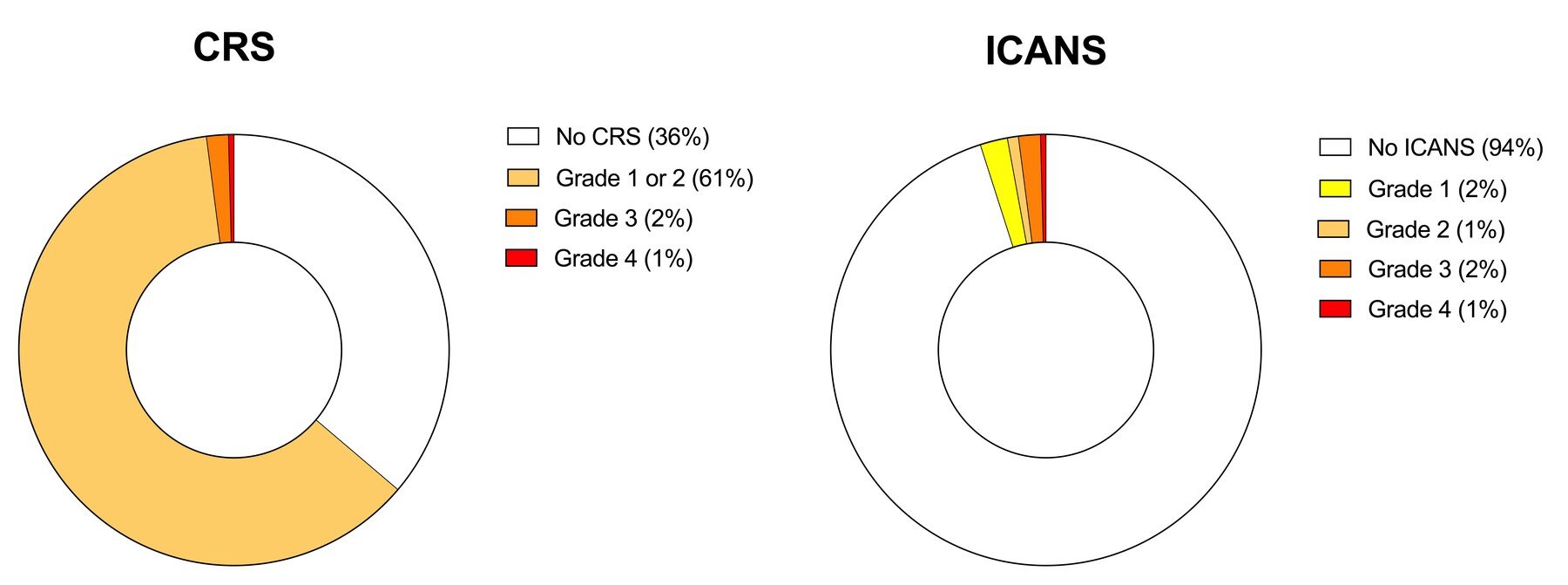
The researchers found 12 patients (5%) reported immune effector cell-associated neurotoxicity syndrome and 11 (5%) developed severe infections. Twenty-two patients (9%) reported prolonged hematologic toxicity. The mean SLE disease activity index (SLEDAI) decreased from 13.0 at baseline to 5.8 after one month, 3.1 after three months and 2.2 after six months of therapy.
35, respectively). 33).
Source link





