
This article has been reviewed according to Science X's editorial process and policies. Editors have highlighted the following attributes while ensuring the content's credibility:
Research has started to bridge the gap between identifying genetic changes that can increase the risk of brain conditions, such as Alzheimer's, and understanding how they might impact specific cell functions.
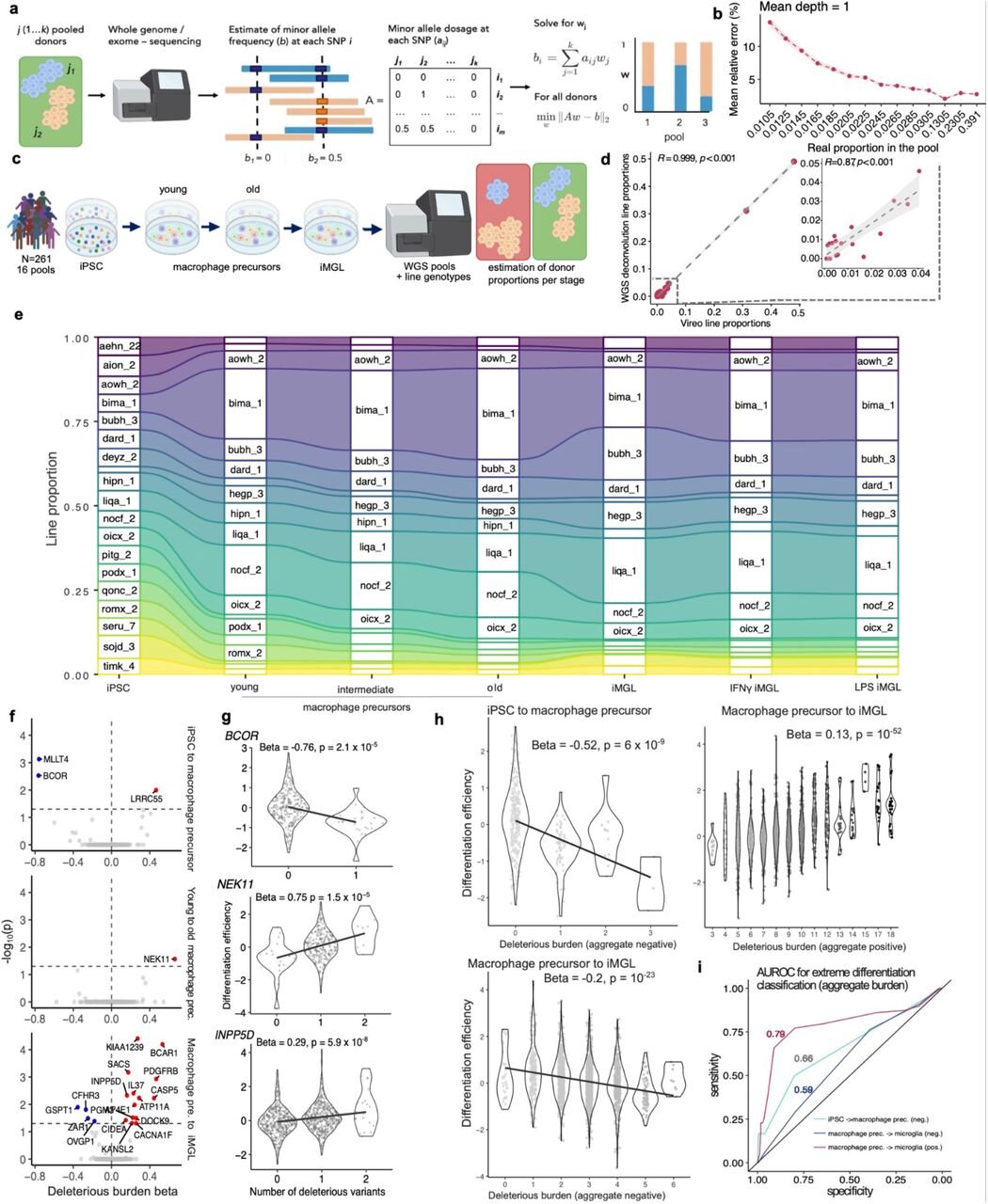
By using lab-grown human brain cells, the team at the Wellcome Sanger Institute and Open Targets, along with its collaborators, was able to show how genetic variants impact cell behavior. Specifically, they showed how genetic variations lead to differences in the ability of the brain's immune cells to move and clear away biological debris.
In the research, published (Nov. 17) in Nature Genetics, the team also used CRISPR gene editing to show how one gene's effect depends on its cellular context.
They found that the impact of a genetic mutation can be completely opposite depending on the precise cell type and its environment, which is important for designing future targeted therapies. Overall, this research begins to show how to connect genetic risk variants with their downstream effects, the next step in understanding how genes impact health conditions.
Genome-wide association studies (GWAS) scan genomes and highlight which differences, known as genetic variants, are more often found in patients with specific health conditions. They identify regions of the genome, but they do not explain how those regions alter gene and cell function.
To bridge this gap, researchers developed a framework to map GWAS data to changes in gene expression and cell behavior.
Source link





