This article has been reviewed according to Science X's editorial process and policies. Editors have highlighted the following attributes while ensuring the content's credibility:
A bank of biological samples from thousands of Brazilians could help the Unified Health System (SUS), which is public and free, identify people at higher risk of developing certain types of cancer. In the future, the SUS could offer these individuals more personalized prevention and screening strategies.
Developed at Hospital de Amor in Barretos, a city in the Southeast region of Brazil, the initiative collects genetic, epidemiological, and lifestyle data from people with and without cancer to evaluate and develop risk prediction tools better suited to the population.
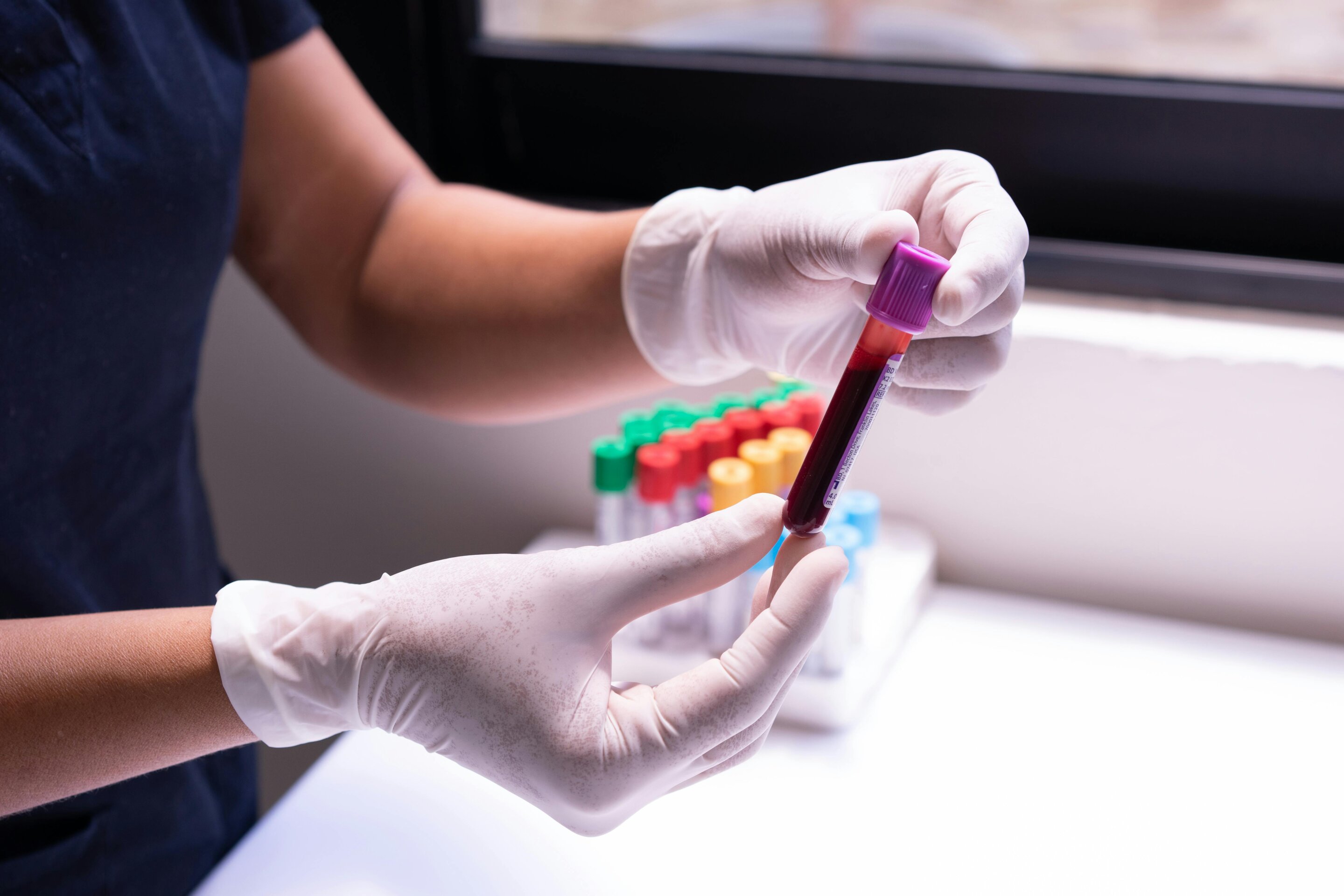
The project already has 4,062 participants and nearly 40,000 blood samples. The goal is to enroll at least 8,000 people (half with cancer and half without) over the next two years. The first types of cancer being studied are breast, colorectal, and cervical cancer.
A paper describing the creation and characteristics of this biobank was published in the journal iScience.
Although the project involves the creation of a new biobank focused specifically on genomic studies and precision medicine, it was not built from scratch. The initiative leveraged the infrastructure of the institutional biobank at Hospital de Amor, established in 2006, to structure its new database. This biobank already holds more than 420,000 biological samples from over 55,000 donors.
Rui Manuel Reis, the scientific director of the Hospital de Amor Institute for Teaching and Research and coordinator of the study, says the initiative aims to fill an important gap in precision medicine.
Source link