This article has been reviewed according to Science X's editorial process and policies. Editors have highlighted the following attributes while ensuring the content's credibility:
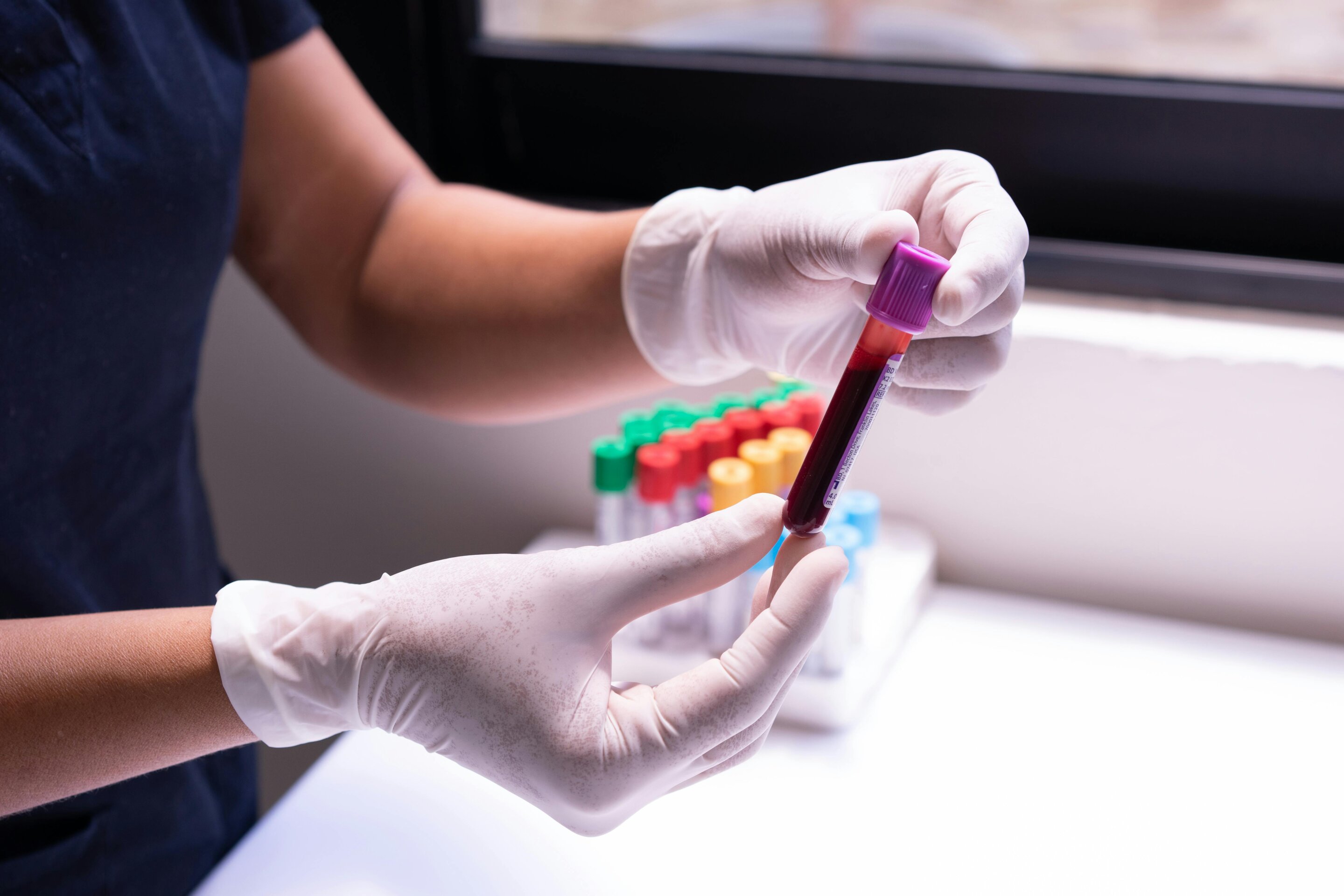
A simple daily blood test could help critically ill sepsis patients come off antibiotics sooner, potentially reducing drug overuse and helping tackle the growing threat of antibiotic resistance, new research shows. The study, led by researchers at the University of Manchester and Northern Care Alliance NHS Foundation Trust, involved 2,760 patients in 41 intensive care units across the U.K. and is published in the journal Anaesthesia.
The team found monitoring levels of a blood marker called procalcitonin (PCT) prompted doctors to consider stopping antibiotics significantly earlier than another commonly used marker, C-reactive protein (CRP).
The ADAPT-Sepsis trial examines how doctors respond to automated advice generated from daily blood tests designed to guide decisions on when antibiotic treatment could safely end.
The new data add to the evidence already gathered through the ADAPT-Sepsis research program. This process evaluation provides the final piece of the puzzle on whether the approach could be adopted across the NHS.
Sepsis is a life-threatening condition caused by the body's overwhelming response to infection and is responsible for thousands of deaths every year. Patients often receive prolonged courses of powerful antibiotics because doctors are understandably cautious about stopping treatment too soon in severely ill patients.
But unnecessary antibiotic use can fuel antimicrobial resistance, increase side effects and add to health care costs.
The researchers found that procalcitonin-based guidance generated "stop antibiotics" recommendations nearly two days earlier than guidance based on CRP—a significant reduction.
Source link