This article has been reviewed according to Science X's editorial process and policies. Editors have highlighted the following attributes while ensuring the content's credibility:
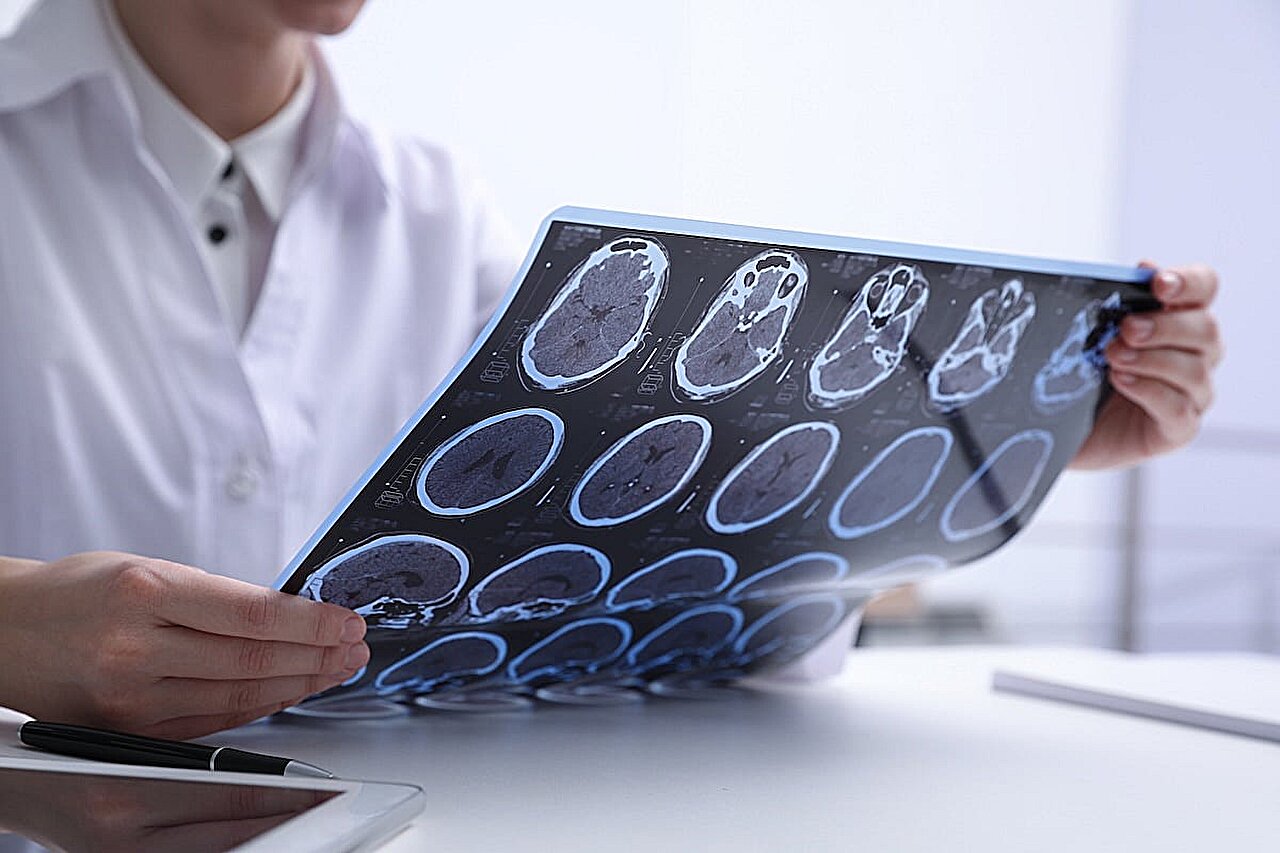
Nuclear medicine is playing an increasingly important role in the diagnosis and treatment of Alzheimer's disease, helping clinicians visualize the biological changes associated with the condition and guide decisions about new therapies. Amyloid PET imaging is being used to confirm the presence of amyloid pathology and support treatment decisions for patients receiving anti-amyloid drugs, while tau PET scans can provide additional information about disease progression and prognosis.
At the 39th Annual Congress of the European Association of Nuclear Medicine (EANM'26), taking place from Oct. 17 to 21 in Vienna, experts will discuss first experiences with these PET scans in routine clinical use and explore the latest advances in nuclear medicine.
"Molecular imaging enables us to visualize functions and target structures using targeted tracers. This is vital for delivering precision medicine and tailoring treatment to the individual patient," says Matthias Brendel, deputy director of the Department of Nuclear Medicine at LMU Munich. "Enormous progress is being made, particularly in the characterization and therapeutic monitoring of neurodegenerative diseases, above all in Alzheimer's disease."
According to the World Health Organization, 57 million people were living with dementia worldwide in 2021. Alzheimer's disease is the most common form of dementia, accounting for 60% to 70% of all cases.
"With an amyloid PET scan we can visualize the amyloid in the brain of a person with dementia and determine whether it is actually Alzheimer's disease or another form of dementia," explains Brendel.
Source link