
This article has been reviewed according to Science X's editorial process and policies. Editors have highlighted the following attributes while ensuring the content's credibility:
Researchers at the University of California San Diego have found that spaceflight alters biological processes associated with Alzheimer's disease in different ways depending on genetic background. The study, published on Nov. 25, 2026, in Science Advances, suggests space could reveal changes in brain cells that are difficult to detect on Earth.
"We often talk about Alzheimer's as though it follows one predictable path," said Alysson R. Muotri, professor in the Departments of Pediatrics and Cellular & Molecular Medicine at UC San Diego School of Medicine.
"What we're seeing suggests that different genetic forms may respond very differently to the same stress. Understanding those differences could lead to more targeted treatments for this devastating disease," added Muotri, who is also director of the Sanford Integrated Space Stem Cell Orbital Research Center at the UC San Diego Sanford Stem Cell Institute.
Alzheimer's disease affects more than 55 million people worldwide, and projections indicate this number will reach 139 million by 2050. The disease is associated with synapse loss, buildup of amyloid-beta—a protein that can form plaques in the brain—and changes to tau, a protein that helps support nerve cells. But those changes do not unfold the same way in everyone, and the earliest stages are hard to study in living human brains.
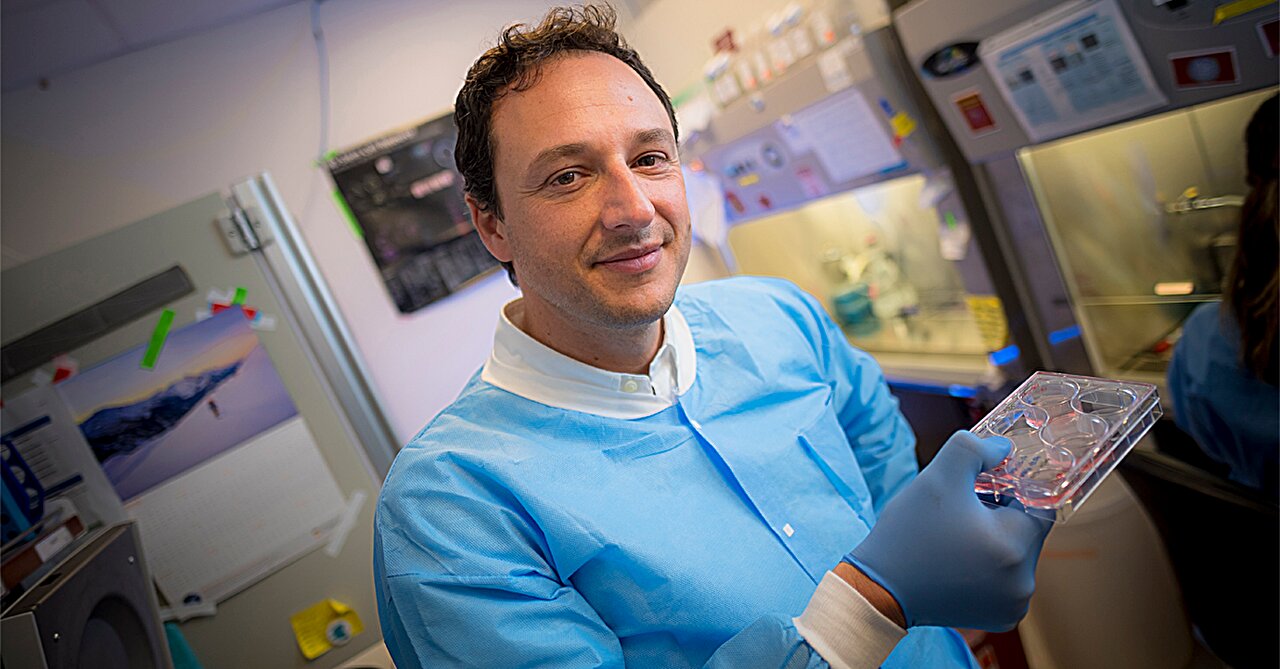
To investigate, researchers grew brain organoids—small, three-dimensional neural tissue models derived from stem cells that reproduce some features of the human brain.
Source link





