This article has been reviewed according to Science X's editorial process and policies. Editors have highlighted the following attributes while ensuring the content's credibility:
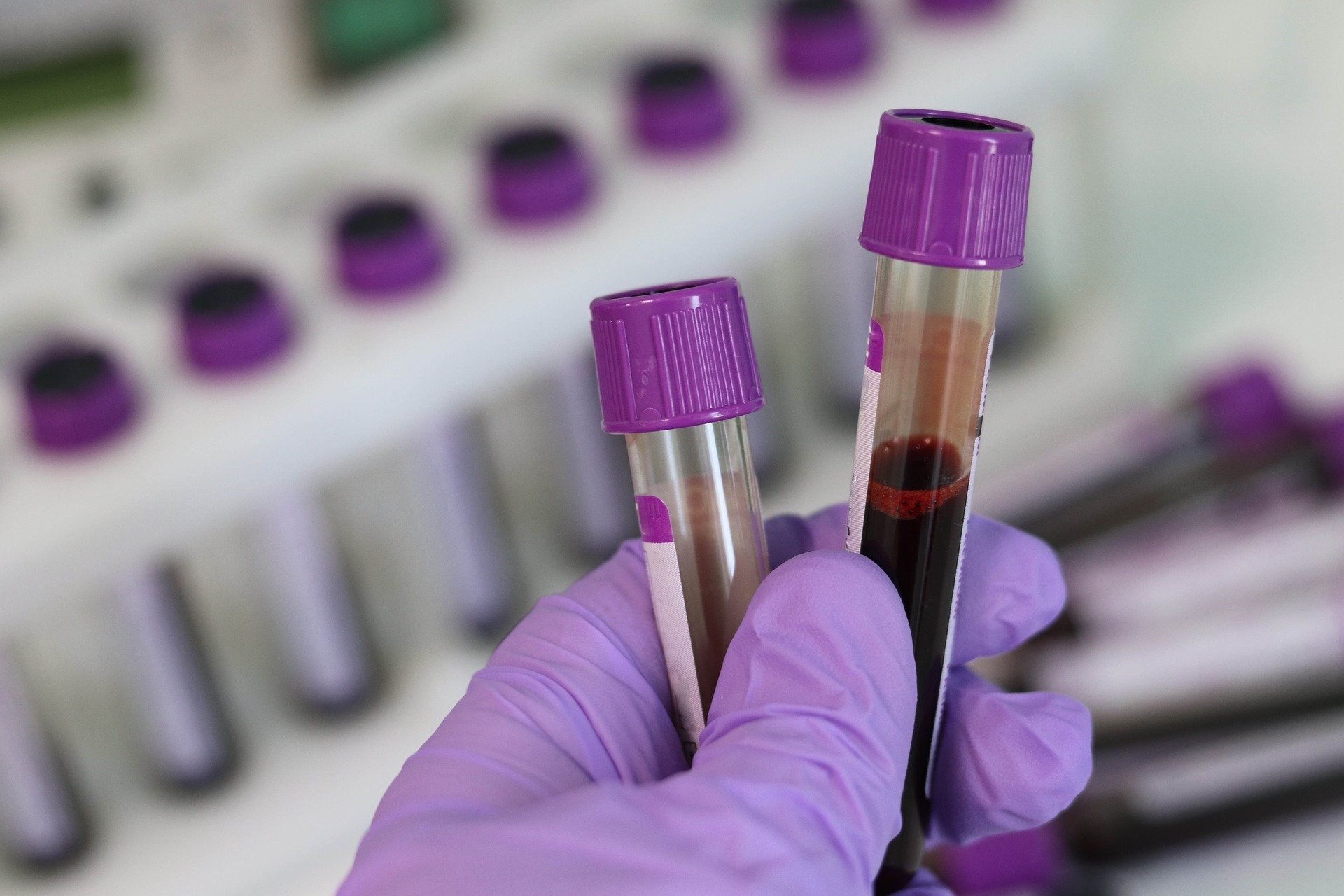
Researchers at Emory University School of Medicine have identified 10 blood proteins that, when analyzed together, can distinguish people with amyotrophic lateral sclerosis (ALS) from healthy individuals with nearly 98% balanced accuracy. The findings, published in Nature Communications, could pave the way for a blood test that helps doctors recognize ALS earlier.
Currently, there is no single test that can definitively diagnose ALS, and patients often wait nearly a year after symptoms begin to receive a diagnosis. A blood-based screening tool could help physicians identify patients who need further evaluation by a neurologist or specialized ALS center, potentially reducing major delays in care.
ALS, also known as Lou Gehrig's disease, is a progressive neurological disease that affects nerve cells responsible for muscle movement. Early symptoms, including muscle weakness, cramps and difficulty walking, can resemble other conditions, making the disease difficult to recognize in its early stages.
"ALS is a complex disease, and relying on a single biomarker doesn't capture the full picture," says Eleanor Thomas, M.D., Ph.D., assistant professor of neurology at Emory University School of Medicine and co-principal investigator of the study. "By combining proteins associated with different aspects of the disease, including nerve-cell injury and inflammation, we were able to identify ALS with much greater accuracy."
Researchers analyzed hundreds of proteins in blood samples from people with ALS and healthy individuals. They identified 10 proteins that, when evaluated together, distinguished the two groups with approximately 98% balanced accuracy.
Source link