This article has been reviewed according to Science X's editorial process and policies. Editors have highlighted the following attributes while ensuring the content's credibility:
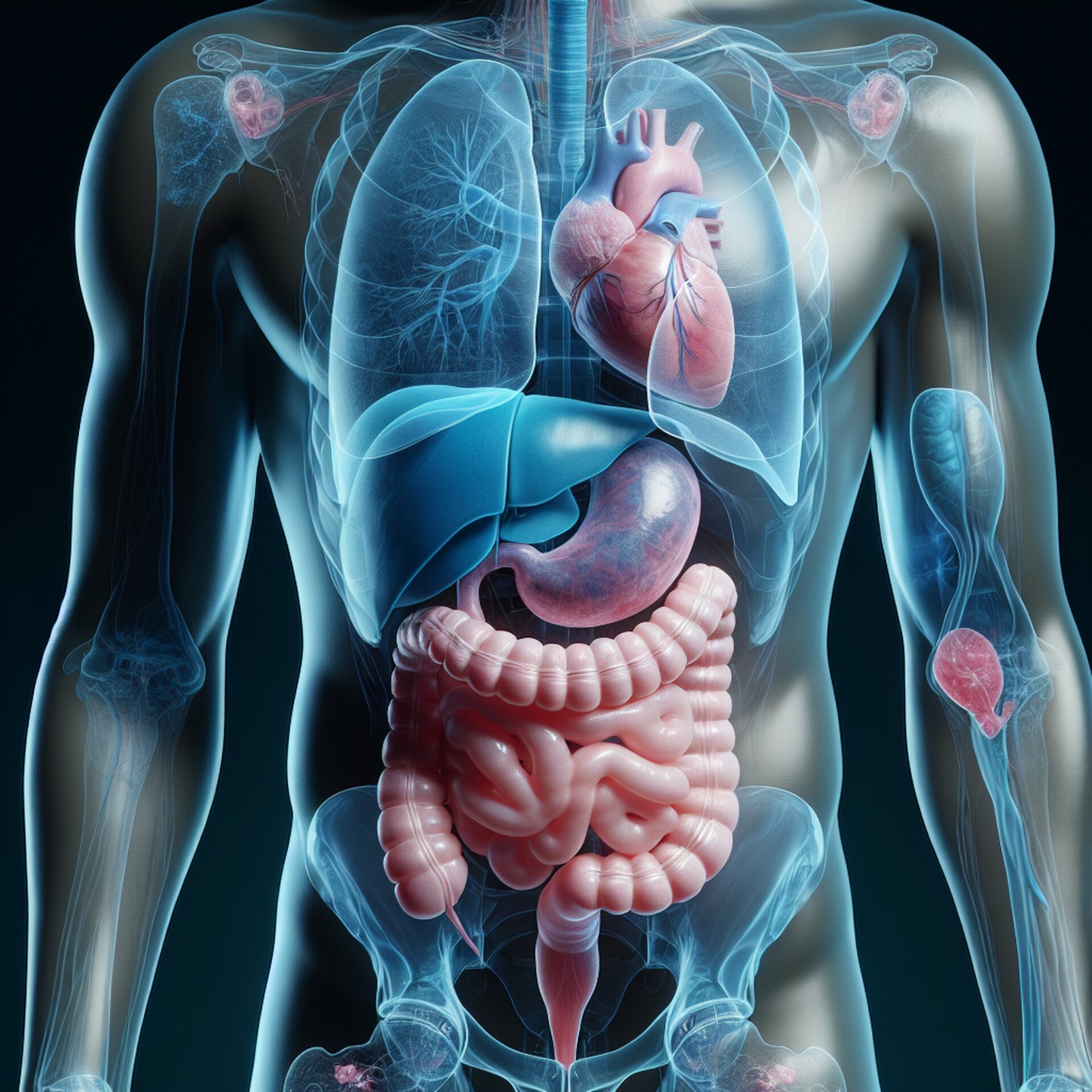
People who have survived a heart attack have gained increasingly better protection against new serious cardiovascular events over the past two decades. At the same time, the risk of bleeding complications has increased. A new study by researchers at Karolinska Institutet shows that bleeding in the gastrointestinal tract is the most common type of serious bleeding after a heart attack.
Treatment after myocardial infarction has changed considerably since the late 1990s. Today, more patients undergo percutaneous coronary intervention (PCI) and receive antithrombotic therapy. While these treatments reduce the risk of recurrent myocardial infarction and other major adverse cardiovascular events, they may also increase the risk of bleeding.
In the new study published in the European Journal of Preventive Cardiology, researchers analyzed data from the SWEDEHEART registry. The study included patients with acute myocardial infarction who were discharged alive on antithrombotic treatment between 1999 and 2020. The researchers followed the patients for one year after discharge to examine how adverse outcomes changed over time.
The results show that the proportion of patients requiring hospitalization for bleeding increased from 2.4% at the beginning of the study period to 4.5% at the end. At the same time, the incidence of major adverse cardiovascular events, including recurrent myocardial infarction, stroke and death, decreased from 20.1% to 9.4%.
The most common source of bleeding was the gastrointestinal tract, and most of these bleeds came from the upper gastrointestinal tract, such as the esophagus, stomach or duodenum.
Source link