This article has been reviewed according to Science X's editorial process and policies. Editors have highlighted the following attributes while ensuring the content's credibility:
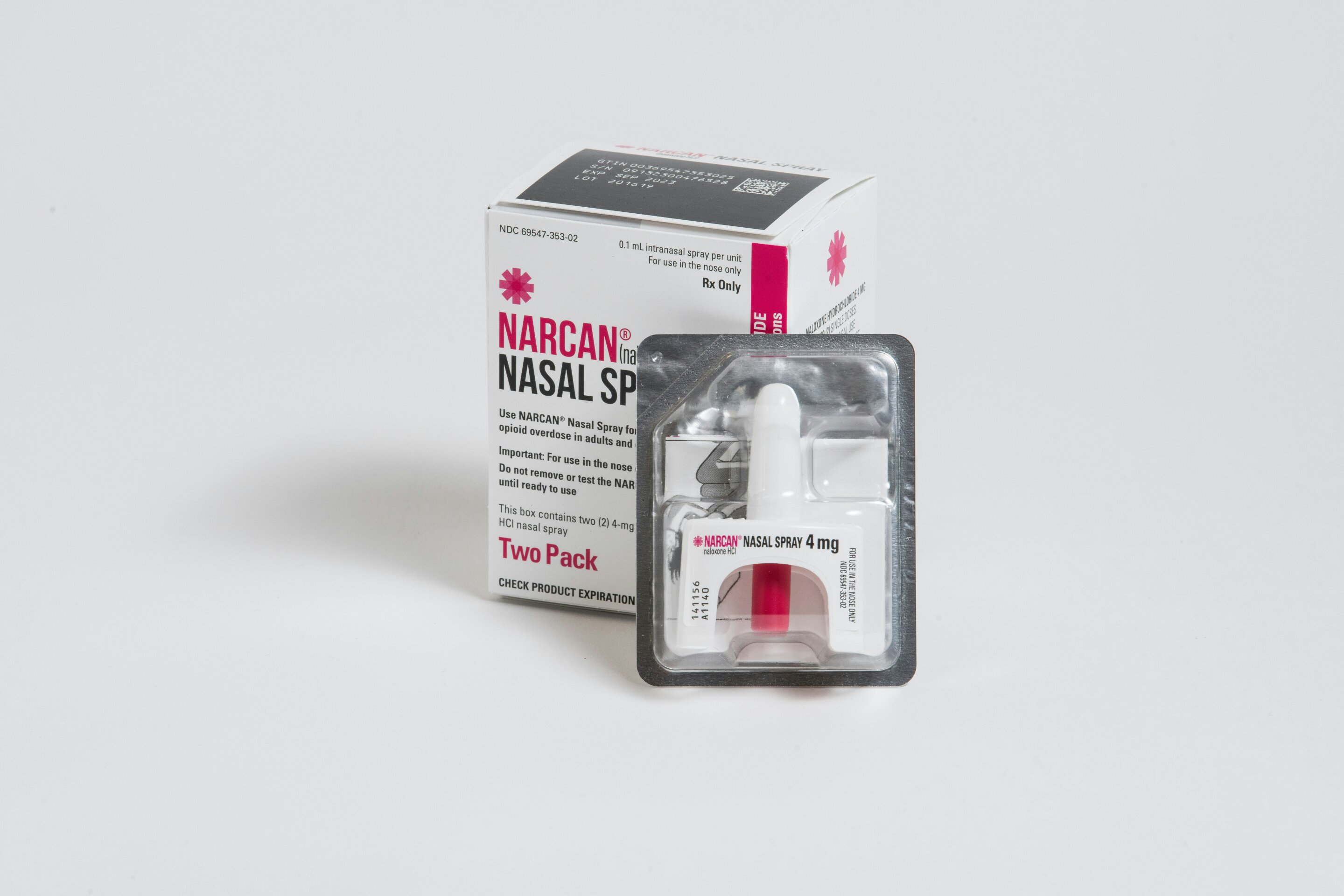
In 2018, Arizona lawmakers began requiring clinicians who prescribe high doses of opioids to also prescribe naloxone, the overdose-reversal medication commonly known by the brand name Narcan.
It was a new effort to increase access to naloxone during the opioid epidemic and, according to researchers at the University of Arizona, it worked.
Research led by James Cunningham, a professor in the Department of Family and Community Medicine in the College of Medicine—Tucson, found that Arizona's law was associated with a pronounced increase in naloxone prescribing for patients receiving high-dose opioids.
"The increase wasn't limited to patients covered by the law," Cunningham said. "Naloxone prescribing also increased for patients receiving moderate doses of opioids. Pharmacists also sharply increased naloxone dispensing to patients who had opioid prescriptions but had not been prescribed naloxone, even though pharmacist dispensing wasn't addressed by the law."
According to the National Institute on Drug Abuse, more than 105,000 people died in 2023 from drug overdoses, and more than 75% of those deaths involved opioids. The Centers for Disease Control recommends prescribing naloxone, which it calls a "lifesaving medication" because when someone is experiencing an overdose, naloxone reverses it in more than 90% of cases.
Arizona's law took effect in April 2018 and applied to patients receiving more than 90 morphine milligram equivalents, or MME, of opioids per day.
To measure its impact, Cunningham and the study's co-authors—including Beth Meyerson, director of the Harm Reduction Research Lab in the College of Nursing and the Comprehensive Center for Pain and Addiction; and Jake Greenhalgh, Mehret Girmay and John Riggs with the Arizona Controlled Substances Prescription Monitoring Program —analyzed statewide data from the Arizona Controlled Substances Prescription Monitoring Program, which tracked every opioid prescription dispensed in the state from 2017 through 2022.
Source link