This article has been reviewed according to Science X's editorial process and policies. Editors have highlighted the following attributes while ensuring the content's credibility:
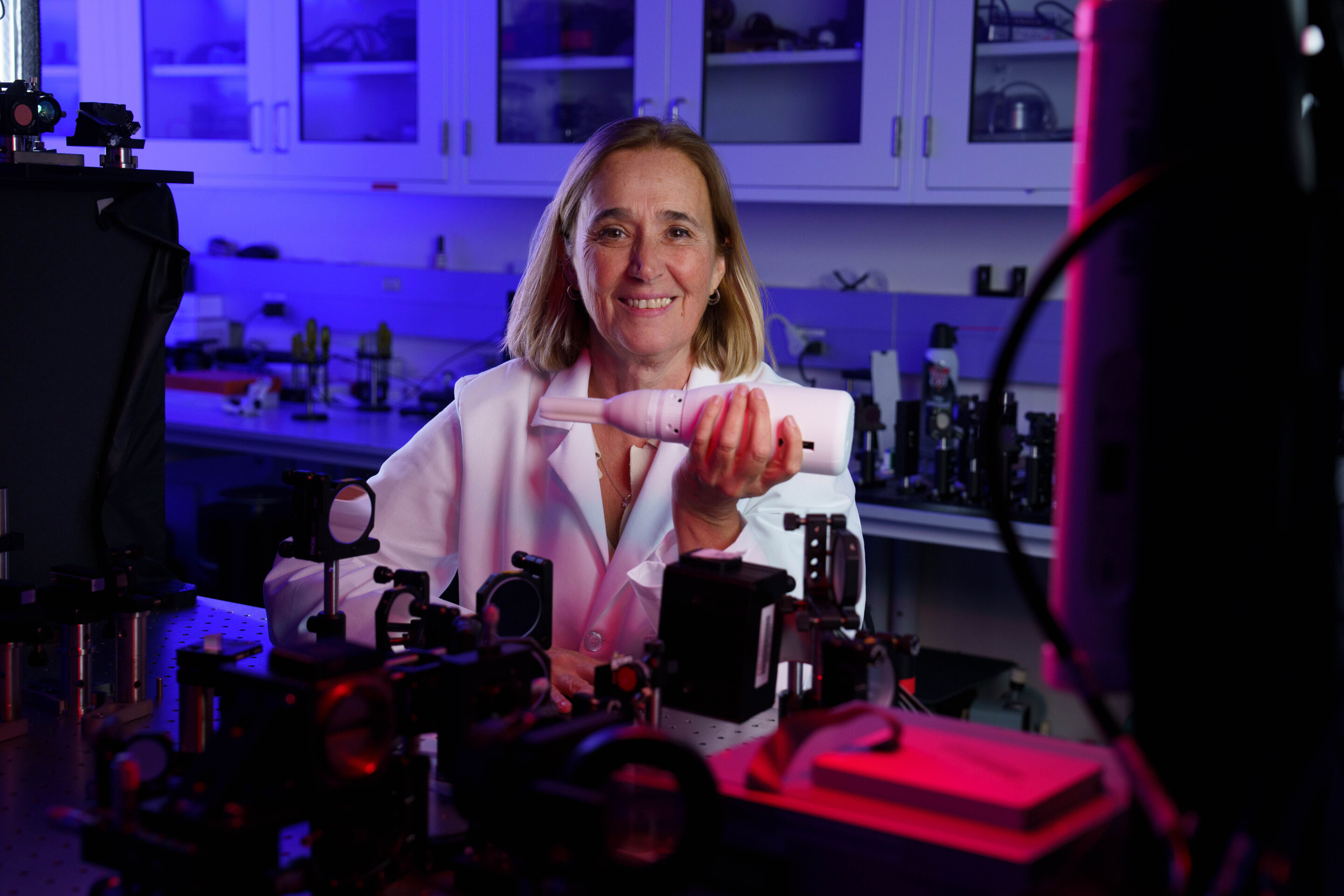
Biomedical engineers at Florida International University have built a portable imaging device designed to detect early signs of preterm labor risk in about five seconds. The system, called PPRIM (Portable Preterm Imaging), could flag risk up to three months earlier than current screening methods.
Every 40 seconds, a baby dies from complications of preterm birth, totaling over 2,000 babies globally a day. Preterm birth rates are rising, yet doctors have few reliable ways to determine which pregnancies are most at risk. Babies born before 37 weeks face a higher risk of brain, developmental and breathing problems.
"There aren't many tools for monitoring this invisible process, and what we do have now is insufficient," said Jessica Ramella-Roman, an FIU professor of biomedical engineering who leads the university's Medical Photonics Lab and has been developing the technology for more than a decade.
Current screening options carry significant limitations. Manual physical exams of the cervix miss an estimated 70% of at-risk pregnancies. Lab tests checking for protein warnings are only useful late in pregnancy, while ultrasound measures the length of the cervix without necessarily revealing risk.
During a healthy pregnancy, the cervix holds the baby securely, strengthened by collagen fibers arranged like rope strands. As delivery approaches, those fibers naturally loosen and become disorganized. In preterm births, this breakdown begins too soon.
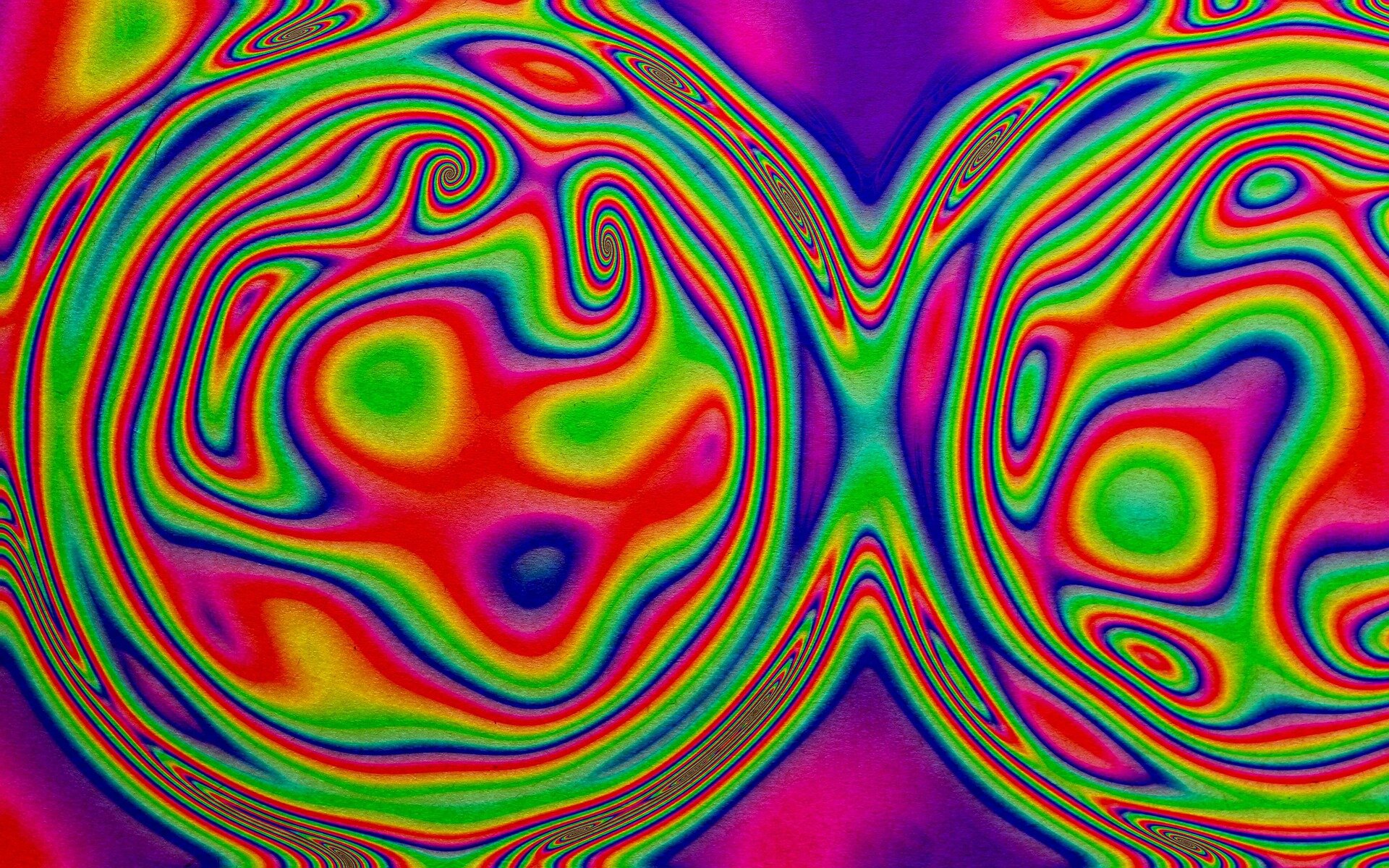
PPRIM addresses these diagnostic blind spots by shining special polarized light onto the cervix to capture images of how the collagen fibers are arranged.
Source link