
This article has been reviewed according to Science X's editorial process and policies. Editors have highlighted the following attributes while ensuring the content's credibility:
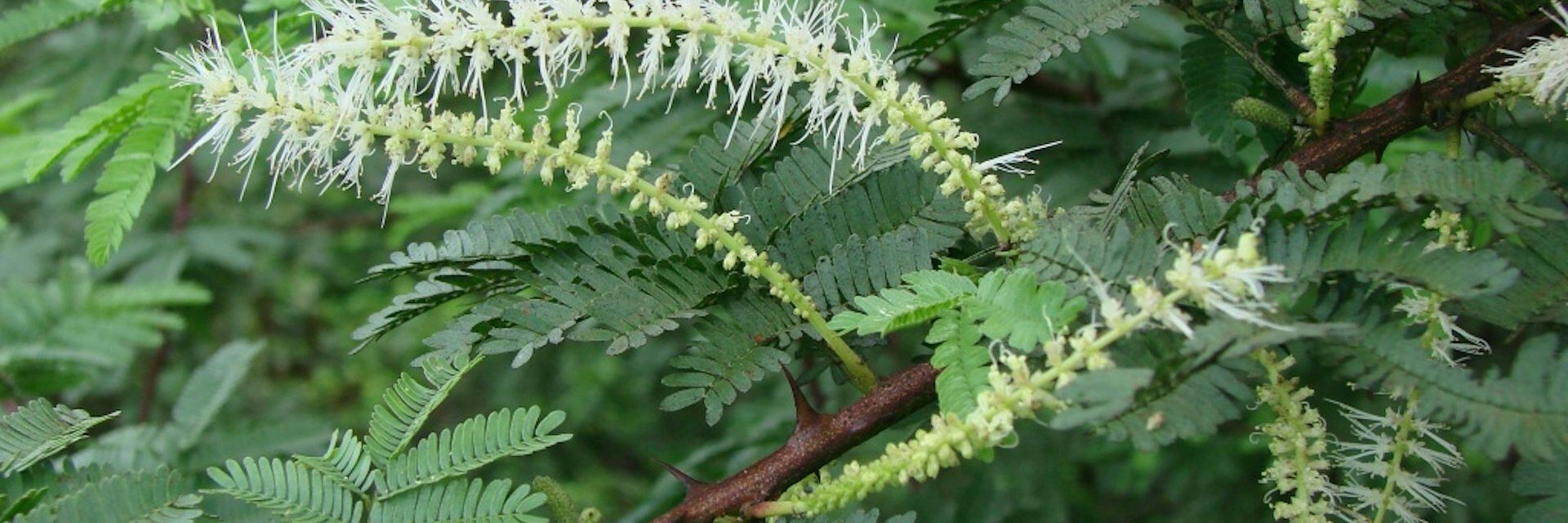
Jurema-preta is the name of both a plant—Mimosa tenuiflora—and an Indigenous spiritual tradition of northeastern Brazil. The plant is used to make a potentially hallucinogenic brew that is consumed in sacred rituals. The exact mixture of herbs and other elements contained in the brew is a secret known only by jurema mestre shamans and never revealed.
In 2024, I had the opportunity to visit, as an anthropologist, the city of Natal, in Brazil's Rio Grande do Norte region, which is a hot spot of the jurema cult. While there, I learned that jurema's power is as much social as it is chemical.
The sacred and molecular properties of the plant are currently fostering all manner of exciting (though challenging) connections between Indigenous knowledge and neuroscience. But jurema's power goes beyond the plant and its ceremonies, as the jurema cult provides a radically plural space that welcomes all kinds of nonnormative identities.
In recent years, neuroscientists from the Brain Institute of the Universidade Federal do Rio Grande do Norte, in Natal, have conducted groundbreaking research into jurema's healing potential. In particular, they have found that the plant contains N,N-dimethyltryptamine, popularly known as DMT.
DMT is a powerful molecule that, when released into the brain, generates intense visions and induces states of trance.
But jurema's effects are not just the result of ingesting DMT. As with the better-known ayahuasca, the traditional recipe of the ritual brew is what allows DMT molecules to reach the brain.
Source link





