
This article has been reviewed according to Science X's editorial process and policies. Editors have highlighted the following attributes while ensuring the content's credibility:
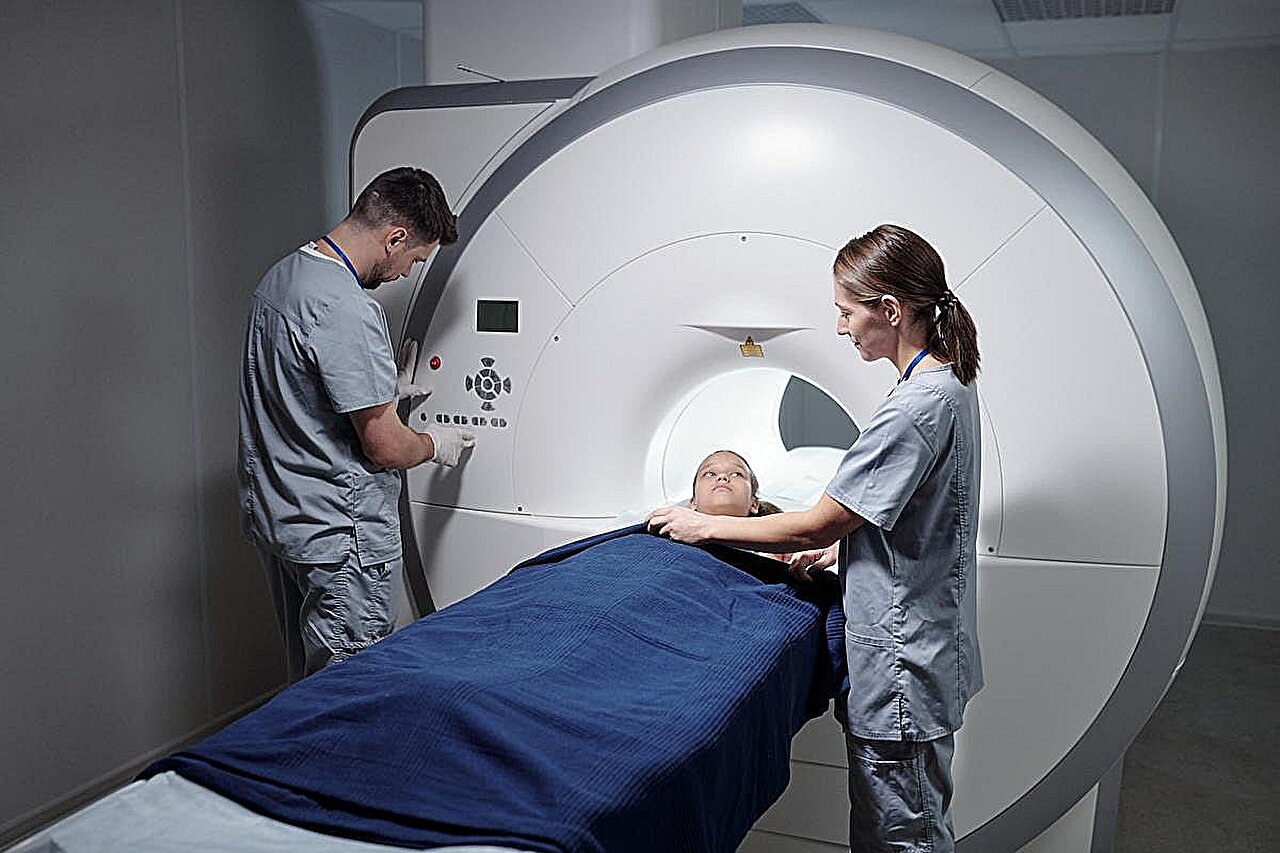
Companies are pitching full-body MRI scans directly to consumers as a way to detect cancer and other diseases early, but no major medical association—including the American Cancer Society and the American College of Radiology—recommends these scans for people without a very high risk of certain cancers.
And even medical screenings that doctors do recommend can carry some of the same reasons for caution.
At a minimum, a medical test will cost you time—and could mean a hefty medical bill. Many tests marketed directly to consumers, like full-body scans and at-home blood screening kits, are not covered by insurance, and some tests can cost several thousand dollars.
Some laboratory tests might involve only the discomfort of a blood draw or the awkwardness of collecting a urine or stool sample, but others carry the possibility of physical harm. For example, a small percentage of people who get CT scans each year will develop cancer because of the radiation exposure from the tests, according to estimates from the National Institutes of Health. Relatively simple procedures like a biopsy or an endoscopy come with the risks of pain, infections, tearing, a reaction to anesthesia or further serious complications.
Plus, testing can cause anxiety and stress—as patients wait for results and if the results are inconclusive.
"I see patients every week in my office who are tortured by the results of tests that they really didn't need to ever have," said Dr.
Source link





