
This article has been reviewed according to Science X's editorial process and policies. Editors have highlighted the following attributes while ensuring the content's credibility:
Researchers led by Dr. Ralph Witzgall, a professor at the Chair of Molecular and Cellular Anatomy at the University of Regensburg, have deciphered a key disease mechanism underlying the hereditary kidney disorder nail-patella syndrome and identified a potential therapeutic strategy. Their findings demonstrate that an already approved drug can significantly reduce disease-causing changes. The study, which also involved researchers from the Technical University of Munich (TUM), was recently published in the journal Nature Communications.
Nail-patella syndrome is a rare inherited disorder named after its characteristic abnormalities of the fingernails and kneecaps (the medical term for the kneecap is patella). However, the determining factor for patients' prognosis is impaired kidney function, which can in some cases progress to complete kidney failure. Although mutations in the LMX1B gene were identified as the cause of nail-patella syndrome as early as 1998, the molecular mechanisms underlying the disease have remained poorly understood, and no therapeutic approach currently exists to help affected patients.
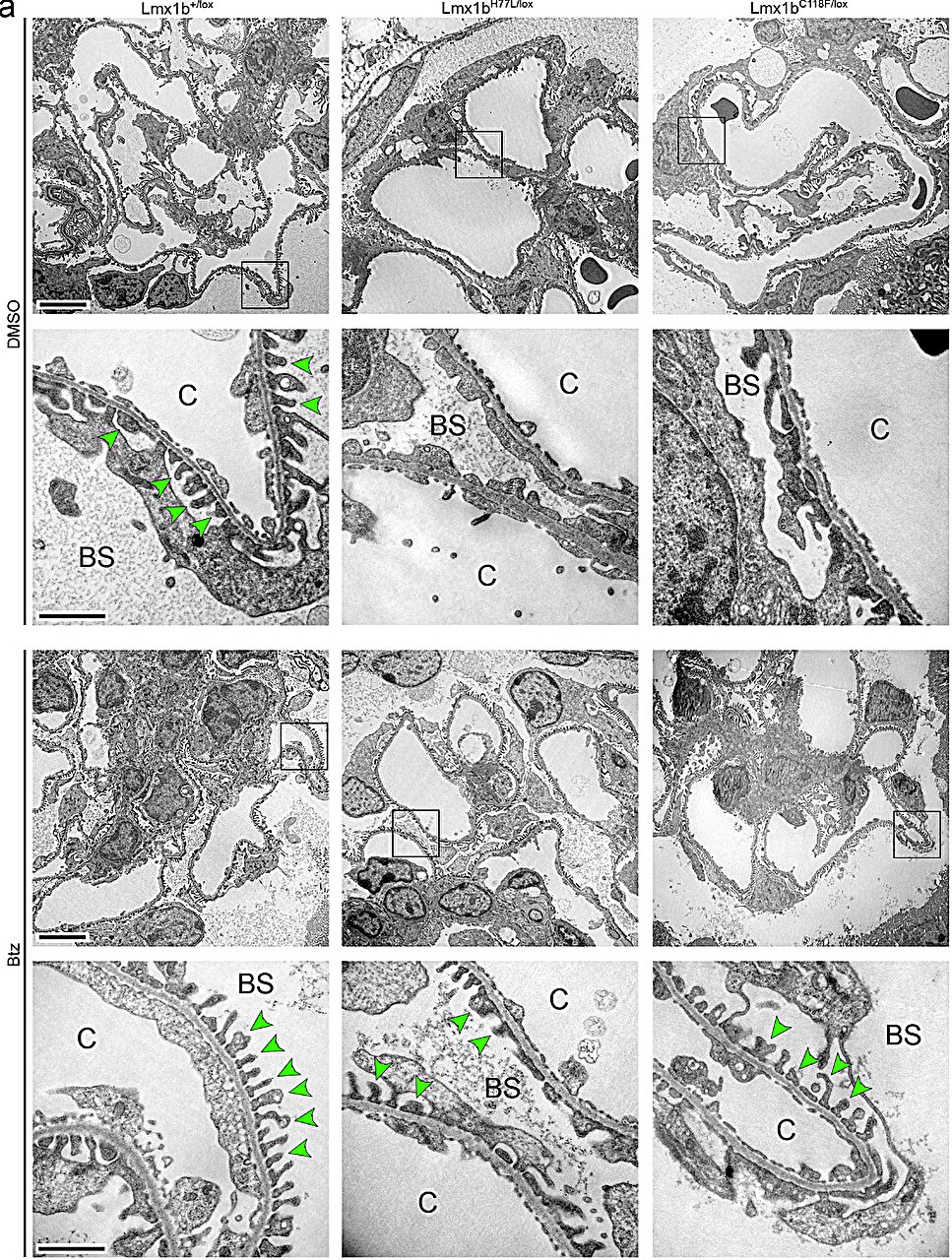
The research team has now elucidated how certain disease-causing mutations in LMX1B contribute to kidney damage.
The kidneys, together with the liver, are the body's most important excretory organs and are responsible for filtering the blood. Essential substances such as proteins are normally retained in the bloodstream by the kidney's filtration apparatus and are not excreted in the urine. LMX1B regulates a genetic program that is indispensable for the function of specialized kidney cells known as podocytes.
Source link





