
This article has been reviewed according to Science X's editorial process and policies. Editors have highlighted the following attributes while ensuring the content's credibility:
According to a study published in October in the journal Biomedicine & Pharmacotherapy, a molecule naturally produced by the human body may help protect vision against damage caused by high blood sugar. This finding paves the way for new strategies to prevent diabetic retinopathy. This complication affects more than 22% of people with diabetes worldwide. It occurs when high blood sugar levels cause inflammation and damage neurons and blood vessels in the retina, which can lead to permanent vision loss.
An international research project brought together scientists from the Federal University of São Paulo (UNIFESP) and São Paulo State University (UNESP) in Brazil and the University of Colorado Anschutz in the United States.
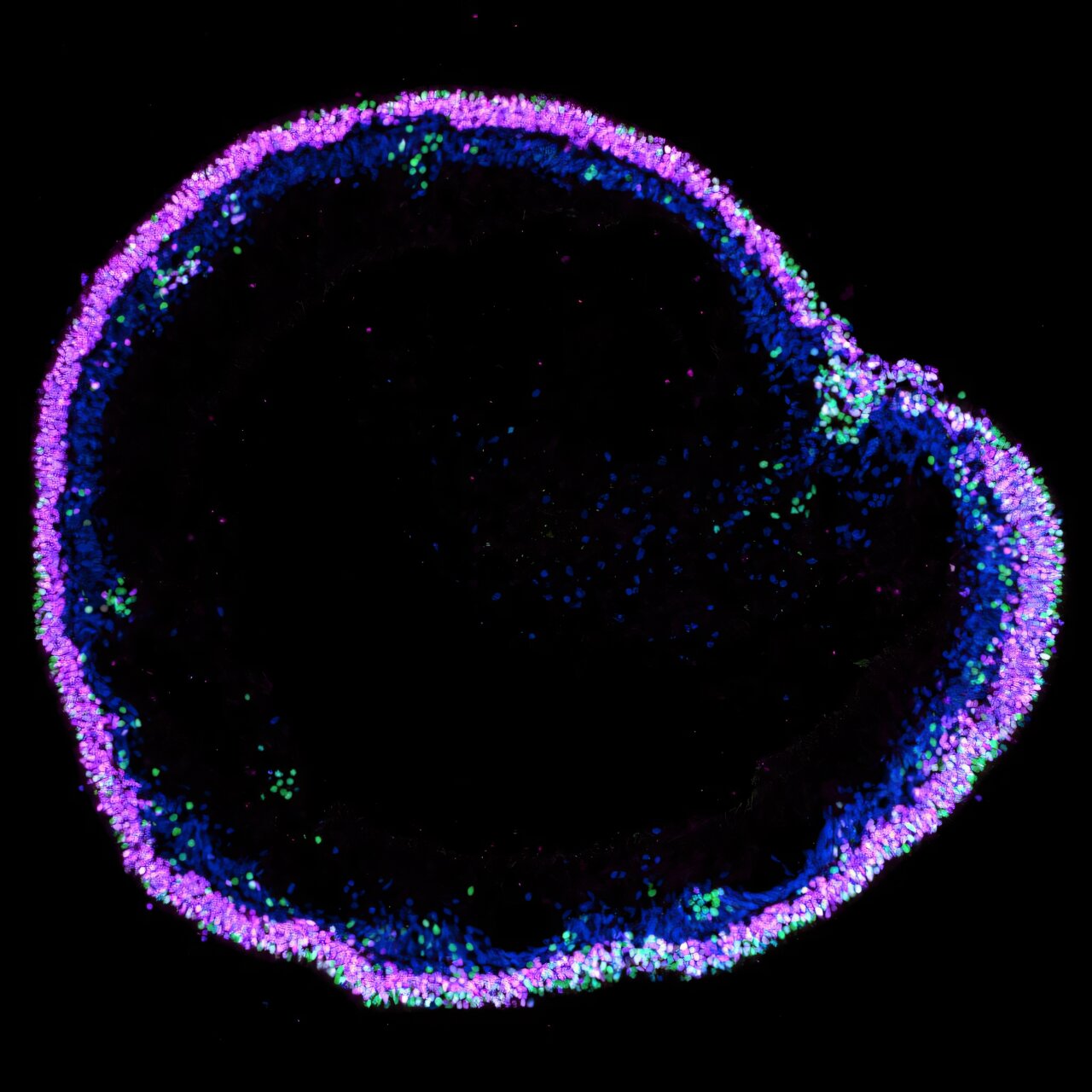
The group evaluated the Ac2-26 peptide, which is part of an anti-inflammatory protein called Annexin A1, in experimental models that simulate the human eye. The tests were conducted on cell cultures isolated from the retina and on three-dimensional structures that function as "mini-retinas" (organoids), both of which were derived from patients' stem cells.
In the experiments, the peptide acted on several fronts: it reduced inflammation, curbed oxidative stress and protected the function of mitochondria, which generate energy for cells. Together, these actions prevented the death of neurons exposed to high levels of glucose.
"We were able to demonstrate a protective effect on the retina and a potential new strategy for preventing diabetic retinopathy," notes Cristiane Gil, head of the Department of Morphology and Genetics at the School of Medicine (EPM) at UNIFESP and co-author of the article.
Source link





