This article has been reviewed according to Science X's editorial process and policies. Editors have highlighted the following attributes while ensuring the content's credibility:
Researchers at the Centro Nacional de Investigaciones Cardiovasculares Carlos III (CNIC), together with international collaborators, have uncovered previously unknown mechanisms that allow blood vessels to grow even in the absence of VEGF–VEGFR2 signaling, one of the best-known and most widely targeted pathways in clinical efforts to block tumor angiogenesis, growth and metastasis.
The findings may help explain why tumors develop resistance to anti-angiogenic therapies over time and identify alternative mechanisms of angiogenesis that could become new therapeutic targets to improve the efficacy of anti-angiogenic cancer treatments and reduce resistance to them.
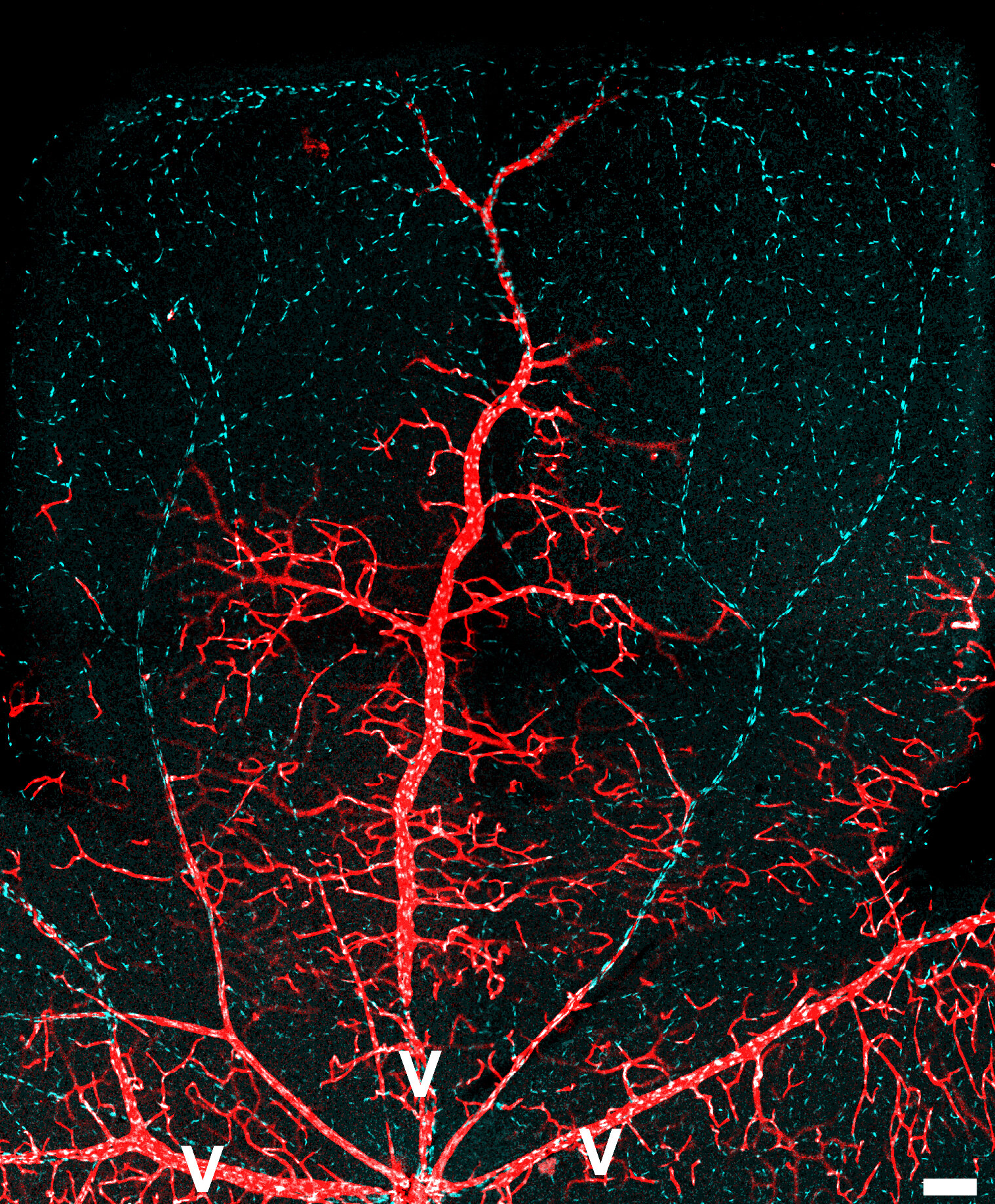
Published in Nature, the study demonstrates that endothelial cells, which line the inside of blood vessels, can survive, proliferate and contribute to the formation of new vessels even in the absence of VEGF-VEGFR2 signaling, which had been considered essential for all aspects of angiogenesis. The results reveal that, rather than relying exclusively on this signaling pathway, some of these cells adapt, resist and are able to activate alternative molecular programs that enable angiogenesis.
To investigate how blood vessels respond to the loss of VEGFR2, the research team directed by Rui Benedito, leader of the Molecular Genetics of Angiogenesis Group at CNIC and of the Department of Functional Genetics at the Max Planck Institute for Molecular Biomedicine (Germany), developed a mosaic genetics strategy that enabled them to distinguish and track normal endothelial cells alongside cells completely lacking VEGFR2 signaling throughout embryonic development and after birth.
Source link