This article has been reviewed according to Science X's editorial process and policies. Editors have highlighted the following attributes while ensuring the content's credibility:
Researchers at The University of Texas MD Anderson Cancer Center have developed an artificial intelligence (AI) model that can identify lung cancer patients at increased risk of developing a serious immunotherapy-related side effect before treatment begins, offering a possible path toward more personalized monitoring and prevention strategies.
The findings indicate that standard medical imaging may contain clues about a patient's susceptibility to pneumonitis, a potentially life-threatening form of lung inflammation that occurs in about 10% of lung cancer patients receiving immunotherapy.
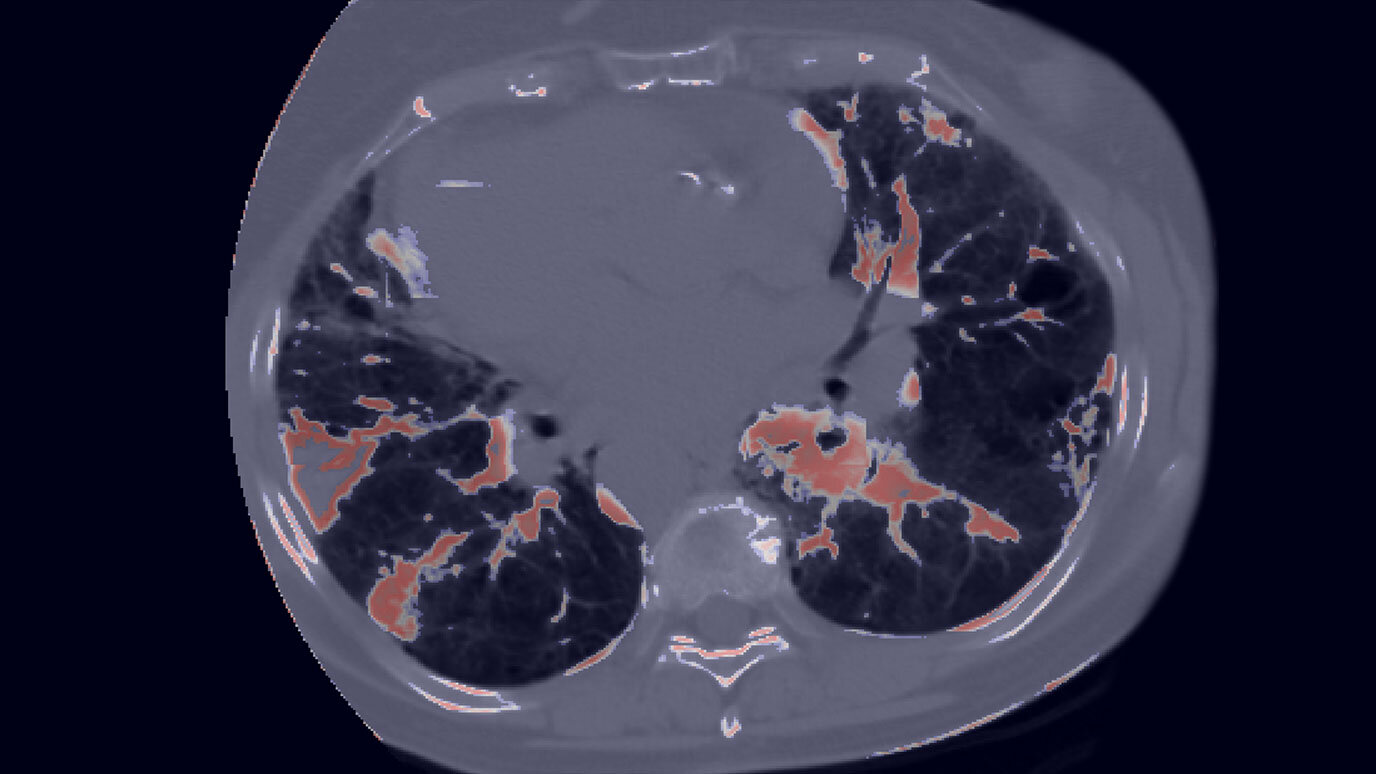
By analyzing routine chest CT scans obtained before treatment, the researchers identified imaging patterns associated with future risk. This method outpaced current approaches, which rely on subjective imaging analysis and clinical risk factors that do not fully capture underlying vulnerability.
The study, published in the Journal for ImmunoTherapy of Cancer, was led by Jia Wu, Ph.D., associate professor of Imaging Physics and Thoracic/Head and Neck Medical Oncology and an affiliate member of UT MD Anderson's Institute for Data Science in Oncology, along with co-senior authors Ajay Sheshadri, M.D., associate professor of Pulmonary Medicine, and Mehmet Altan, M.D., associate professor of Thoracic/Head and Neck Medical Oncology.
"Pneumonitis remains one of the most challenging complications of immunotherapy because it can be difficult to predict before symptoms appear," Wu said.
Source link