
This article has been reviewed according to Science X's editorial process and policies. Editors have highlighted the following attributes while ensuring the content's credibility:
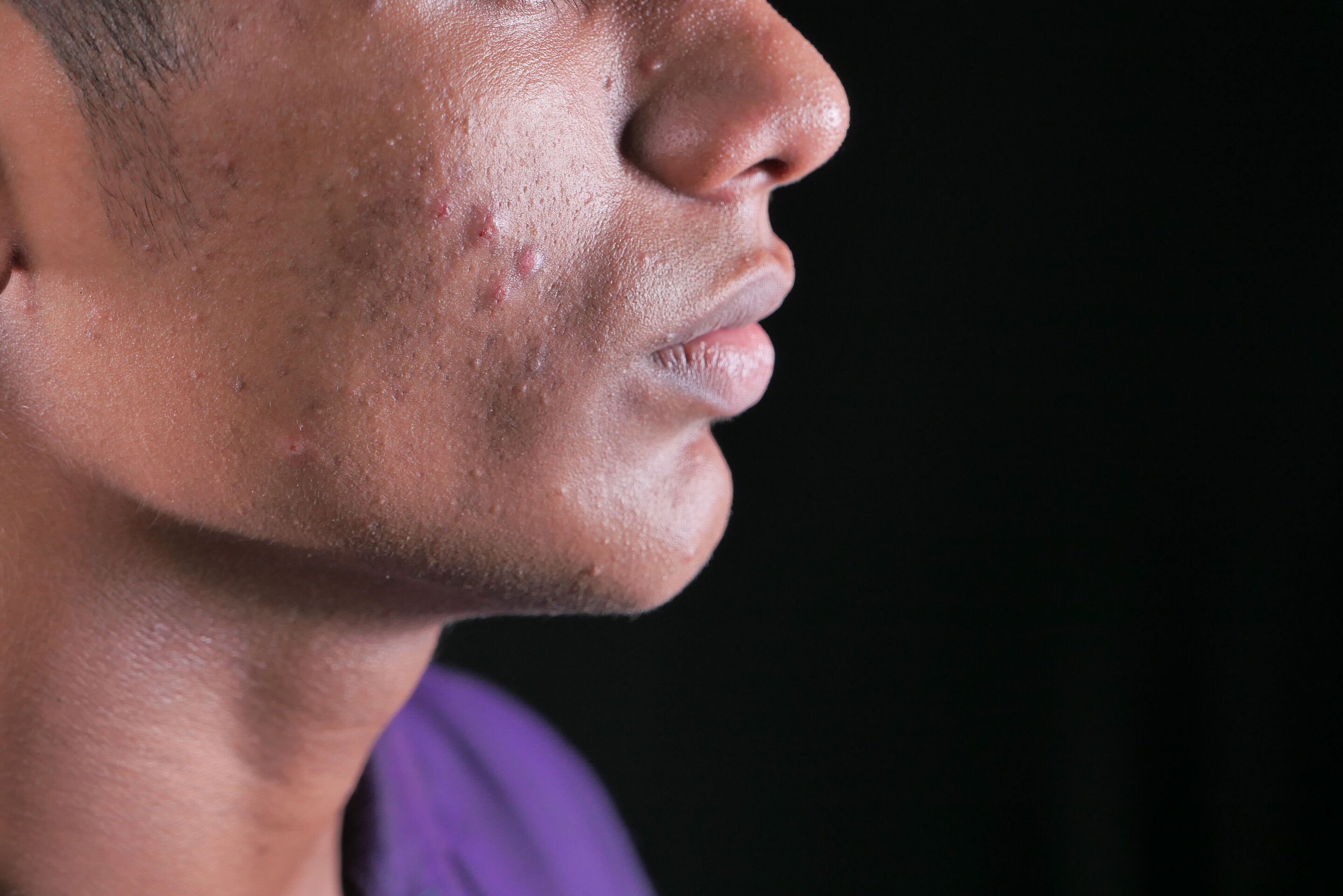
Acne affects around 85% of adolescents and can persist well into adulthood. For some, this means occasional pimples. For others, it can mean years of painful inflammation, scarring and lost confidence.
Could a vaccine prevent or reduce that suffering? While we tend to think of vaccination as a tool to stop infectious diseases, scientists are working on a potential shot for acne.
Acne is an inflammatory disorder of the hair follicles and the oil glands attached to them on our skin.
One bacterium, Cutibacterium acnes, is particularly relevant here. C. acnes normally lives on healthy skin, but different strains produce different chemical proteins that in turn have various effects on the skin.
So how does this lead to acne? Think of the hair follicle as a pressure cooker. The follicular opening (pore) can become blocked by a mixture of dead skin cells and oil—like closing the lid. Hormones increase oil production, and the trapped oil and skin cells build up inside the follicle, causing it to expand.
This creates an environment where C. acnes bacteria thrive. The bacteria produce substances that irritate the follicle and trigger inflammation, an immune response leading to redness and swelling. (One of these substances is called CAMP2—we'll come back to this one later.)
This inflammation can weaken the follicle wall, sometimes causing it to rupture and spill its contents into the surrounding skin.
Source link





