
This article has been reviewed according to Science X's editorial process and policies. Editors have highlighted the following attributes while ensuring the content's credibility:
Researchers at Lund University in Sweden have identified a key role for the protein galectin-3 in Alzheimer's disease. The study shows that galectin-3 not only influences how the brain's immune cells, known as microglia, react to the disease's characteristic amyloid plaques but also shapes the plaques themselves—and may contribute to the nerve damage that develops around them.
"This discovery provides new insights into the mechanisms of the disease and identifies galectin-3 as a potential future therapeutic target," says Lluís Camprubí-Ferrer, one of the study's lead authors and a postdoctoral researcher at Lund University.
The study is published in the journal Proceedings of the National Academy of Sciences.
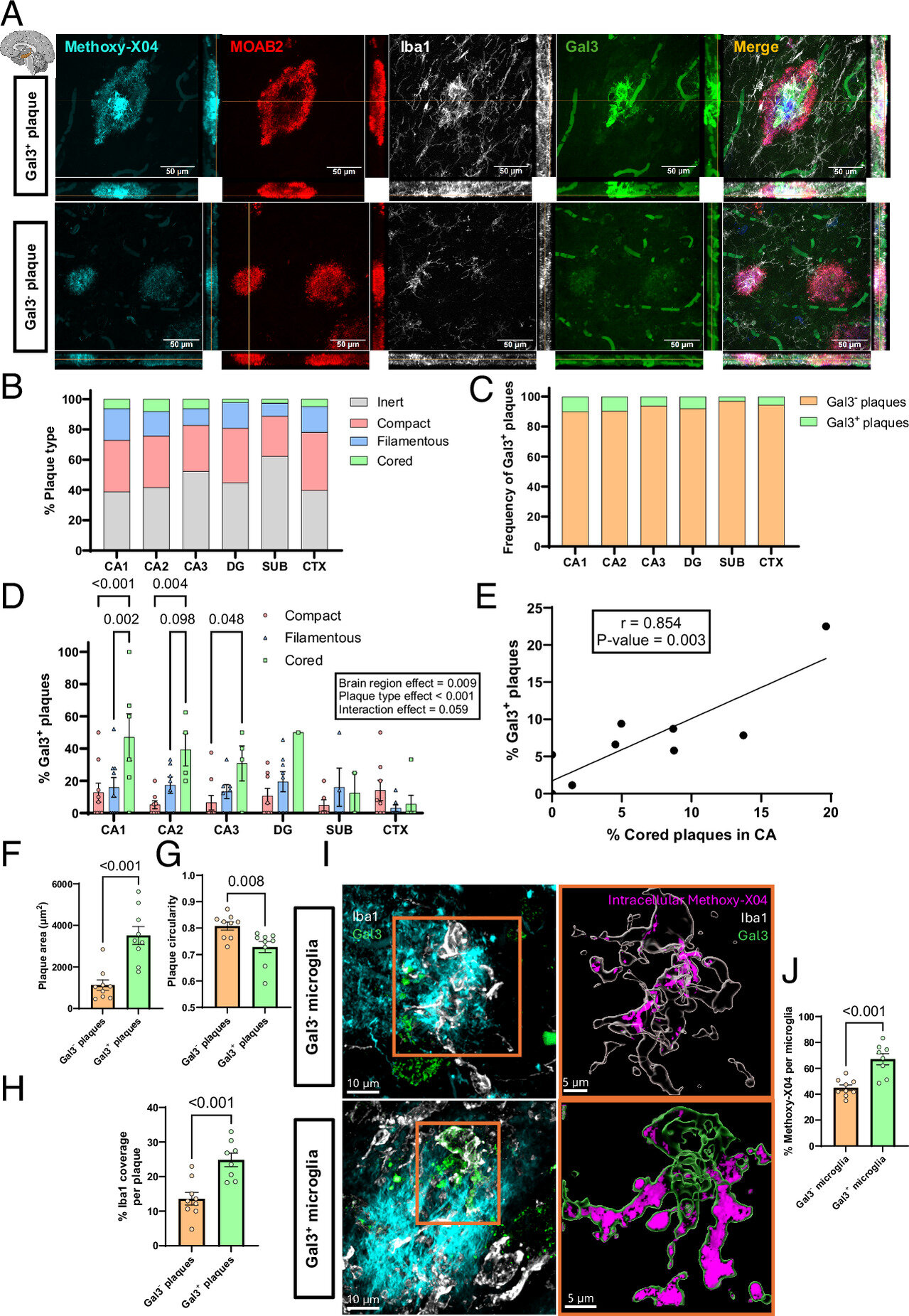
Alzheimer's disease (AD) is characterized by accumulations of beta-amyloid (Aβ) in the brain. These proteins clump together to form plaques. In a previous study, the research team at Lund University showed for the first time that the protein galectin-3 increases in the brains of people with Alzheimer's disease and that removing the protein decreased inflammation in the brain. In this new study, the researchers have shown the direct relationship between galectin-3 and Aβ plaques.
The new study shows that galectin-3 binds "with remarkable strength" to Aβ and that it acts in two places at once. Outside the microglia , it sits on the plaque itself, where it changes the shape of the amyloid fibers as they grow.
Source link





