
This article has been reviewed according to Science X's editorial process and policies. Editors have highlighted the following attributes while ensuring the content's credibility:
A team from the Universitat Politècnica de València (UPV) and the University of Valencia (UV) has developed and validated an artificial intelligence (AI) system capable of distinguishing Ewing sarcoma from other morphologically similar tumors with high accuracy. The model, which also enables optimal use of biopsy tissue, achieves 91.6% accuracy.
The study, published in the journal International Journal of Molecular Sciences, advances digital pathology by aiding the diagnosis of complex pediatric and juvenile neoplasms. It reduces errors and preserves the scarce biological material obtained during needle biopsies.
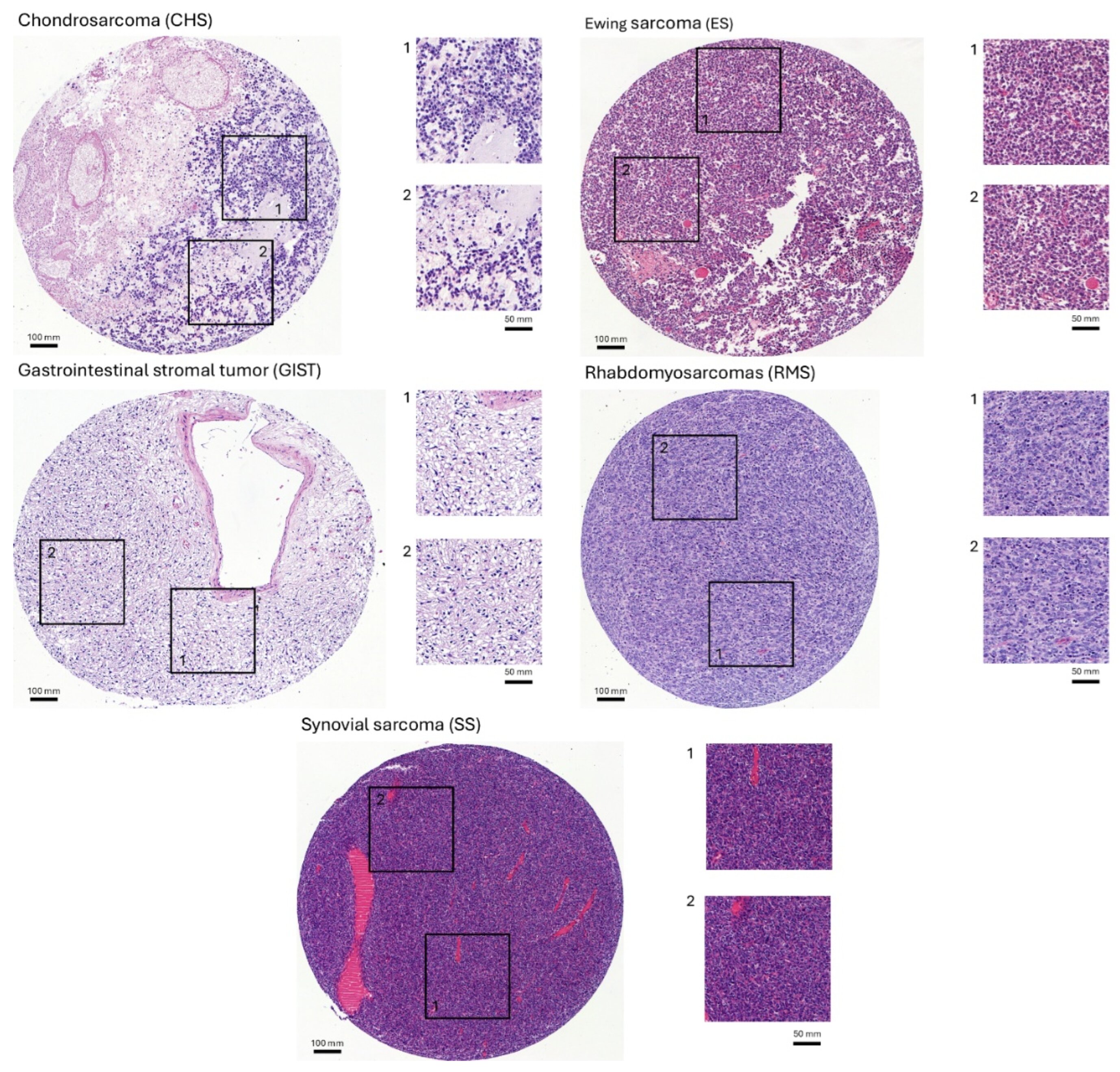
Ewing sarcoma is a rare malignant tumor that primarily affects children, adolescents and young adults. It usually occurs in bone, although it can also develop in soft tissues. One of the main difficulties in diagnosing it is that, under the microscope, it can be very similar to other tumors that also originate in soft tissues, such as rhabdomyosarcoma (striated skeletal muscle), chondrosarcoma (cartilage), gastrointestinal stromal tumors (the digestive tract)—GIST, as it is known—or synovial sarcoma (joints).
Researchers from the Department of Pathology at the University of Valencia—Francisco Giner (lead researcher and first author of the article), Isidro Machado and Samuel Navarro (who is also coordinator of the Paediatric Solid Tumour Translational Research Group at the INCLIVA Institute for Health Research)—explain that "in many small biopsies, there is very little tissue.
Source link





