
This article has been reviewed according to Science X's editorial process and policies. Editors have highlighted the following attributes while ensuring the content's credibility:
Mental health conditions are the leading cause of pregnancy-related death in the United States. Yet almost all these deaths are considered preventable if women are effectively screened during and after giving birth and then connected with needed care, according to CDC data from 2017–2019.
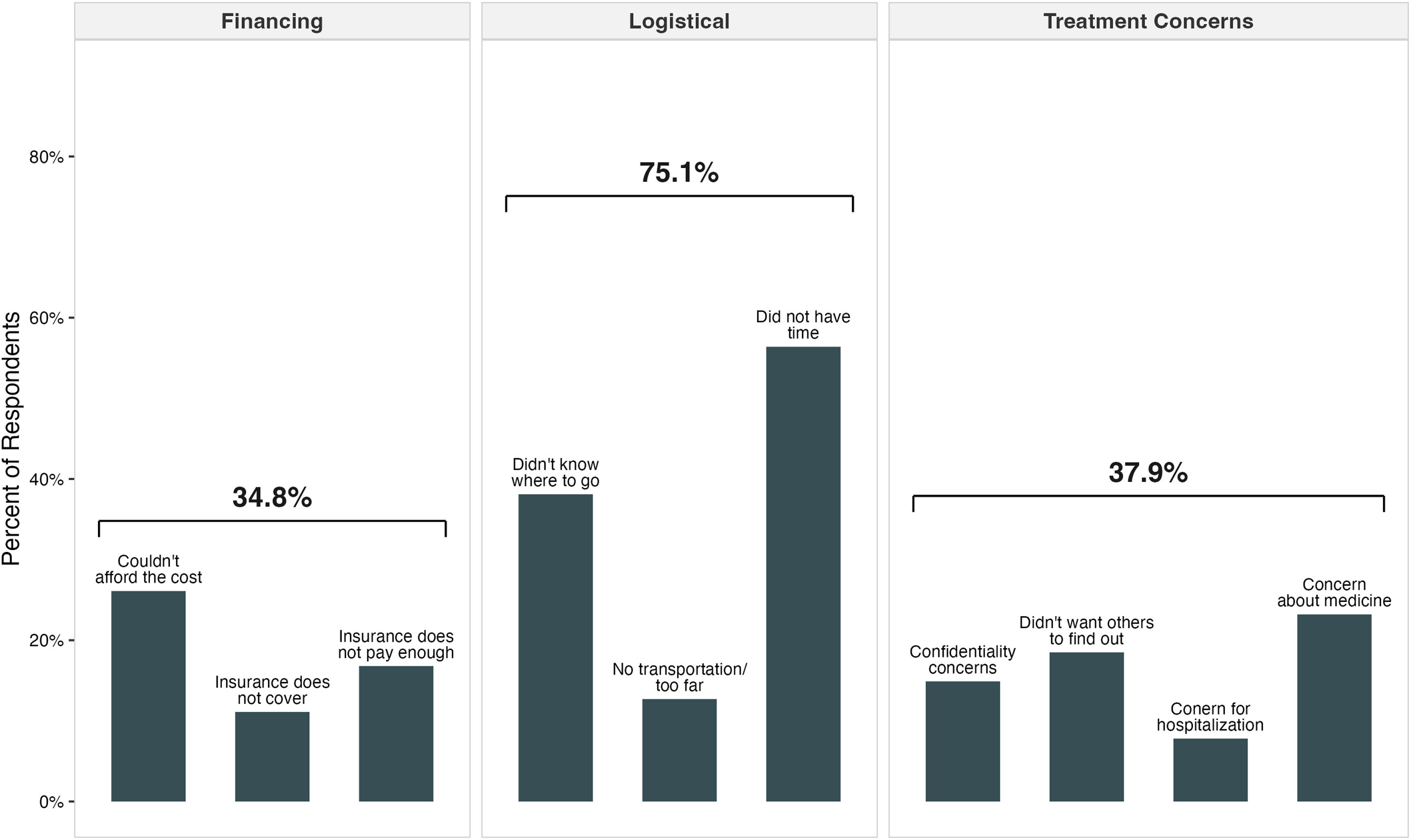
Now, a study out in Women's Health Issues finds that the biggest barriers to mental health care for women surveyed are common economic and structural issues, such as not being able to get time off work, access affordable child care or find information about where to go for help. The study also found that asking women directly whether they need mental health care, rather than relying on screening or diagnoses, reveals that more women need care than was previously known.
"We found that the percentage of women who say they need mental health care is higher than most estimates of mood and anxiety disorders in women after giving birth, which are typically based on screening results or diagnoses," said lead author Rebecca Gourevitch, an assistant professor at the University of Maryland in the School of Public Health's Department of Health Policy and Management.
"Accessing mental health care after giving birth shouldn't be a life-and-death issue," Gourevitch said.
Source link





