Spilt Milk Studios' Nicolas Lovell on how the studio balances different funding sources, and scales game development to match
Three years ago, we launched our Kickstarter campaign for Trash Goblin, our cosy shop sim. It was an existential moment for Spilt Milk Studios. Seventy-four publishers had turned down the game - one of them pulling out in the meeting that we thought was to sign the final publishing contract - but players seemed to love it.
We put the team on notice of redundancy, and launched a last-ditch effort to save the game and the studio.
Fast forward three years. Trash Goblin successfully crowdfunded, launched into Early Access, released on Steam, Epic, Xbox, PlayStation, Switch, iOS and Android and has a plethora of DLCs, both free and paid.
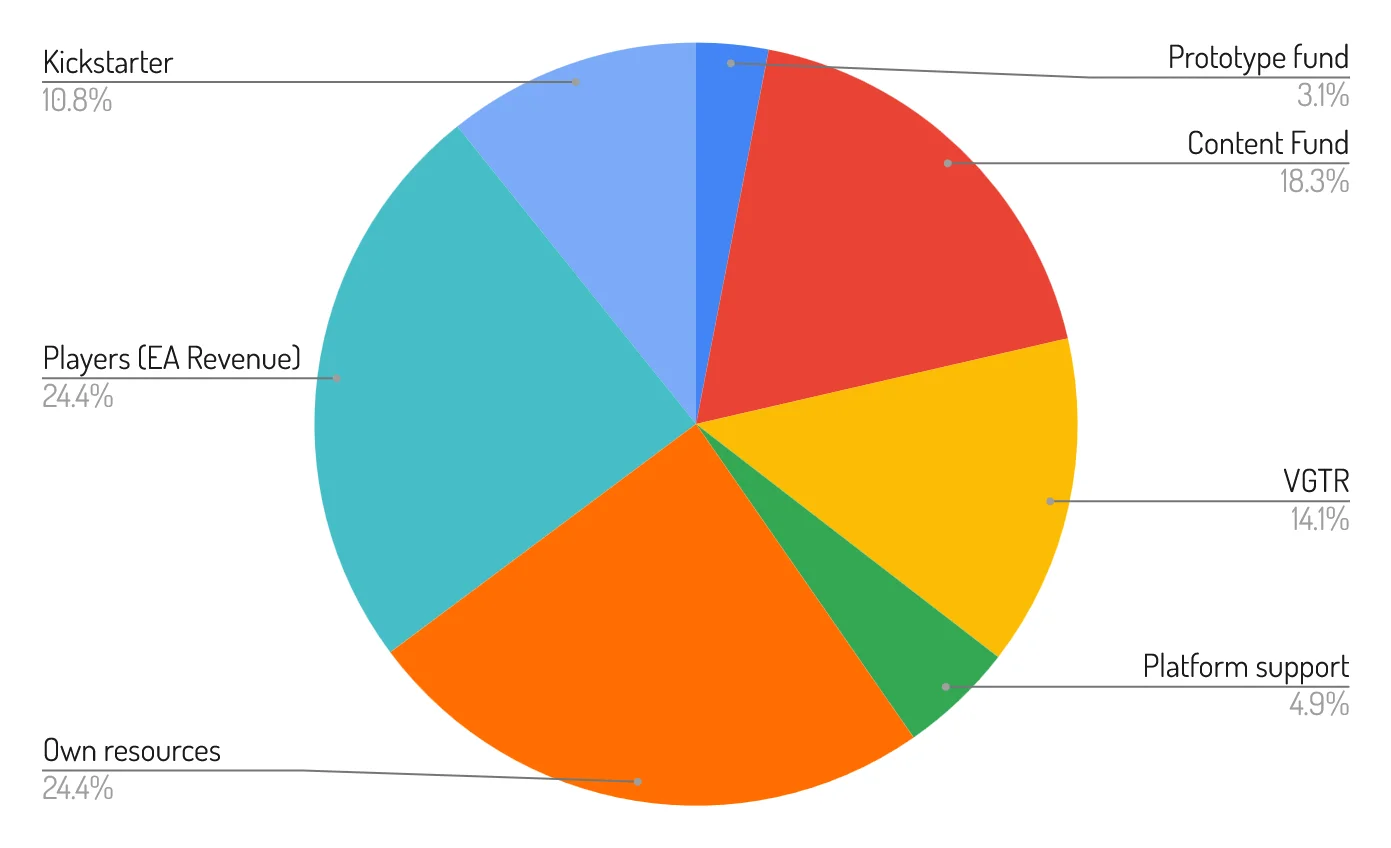
As we prepare the Kickstarter campaign for our next game, we went back to look at the funding sources for Trash Goblin. To our surprise, crowdfunding was only 10% of the budget of the game. This encouraged me to take a deeper look at how a modern indie game studio builds the funding to make a game, and why asking “What is the budget for your game?” doesn’t make sense in 2026.
The chart above shows the sources of funding for Trash Goblin up to the 1.0 release. The key dates:
Players accounted for over one third of the funding, through the initial crowdfunding campaign, and the revenue from Early Access that we reinvested into the title. We had enormous support from the UK government, representing around one third of the budget as well.
Source link