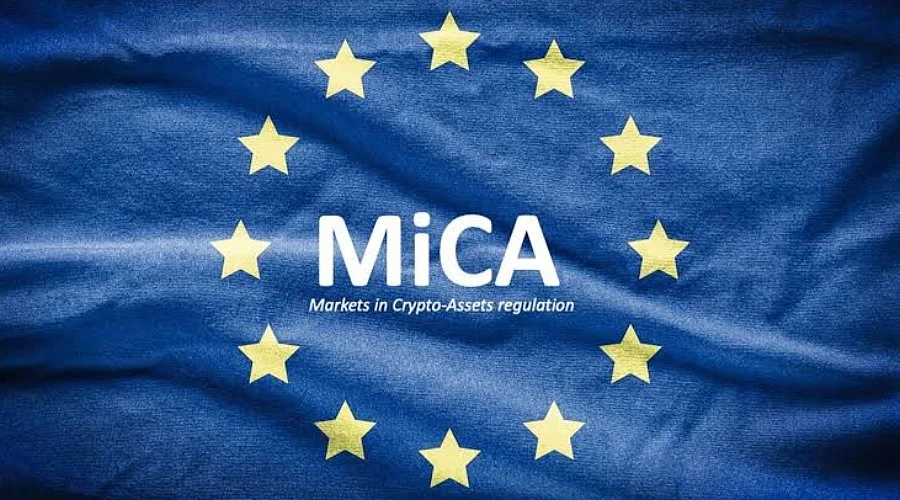
The Markets in Crypto-Assets Regulation, commonly known as MiCA, is the European Union’s common regulatory framework for crypto assets and related services. It replaces much of the fragmented national approach with harmonized rules covering crypto issuance, trading, custody, stablecoins and service providers across the EU.
MiCA generally applies from December 30, 2024, although some existing crypto-asset service providers were temporarily permitted to continue operating under transitional arrangements.
MiCA applies to crypto assets and services not already covered by other EU financial-services legislation. This includes ordinary crypto assets, asset-referenced tokens (ARTs), e-money tokens (EMTs) and Crypto-Asset Service Providers, or CASPs.
Tokenized assets classified as financial instruments can instead fall under existing securities rules, meaning not every blockchain-based financial product is regulated by MiCA.Finance
CASPs can include businesses providing crypto custody, trading platforms, exchange services, order execution and crypto-asset transfers.
The EU-wide transitional period officially expired on July 1, 2026. ESMA states that companies providing covered crypto services to EU clients without the required MiCA authorization after that date are in breach of EU law and must cease providing those services.
ESMA also maintains a public register covering authorized crypto-asset service providers, token issuers and crypto-asset white papers, creating a centralized source for checking regulatory information.
MiCA distinguishes between asset-referenced tokens and e-money tokens. ARTs can reference currencies, commodities or other assets, while EMTs generally seek to maintain value by referencing one official currency.
Issuers face requirements involving authorization, governance, disclosures and reserves. MiCA also establishes redemption rights and additional obligations for tokens considered significant because of their scale or potential financial-system impact.
Source link