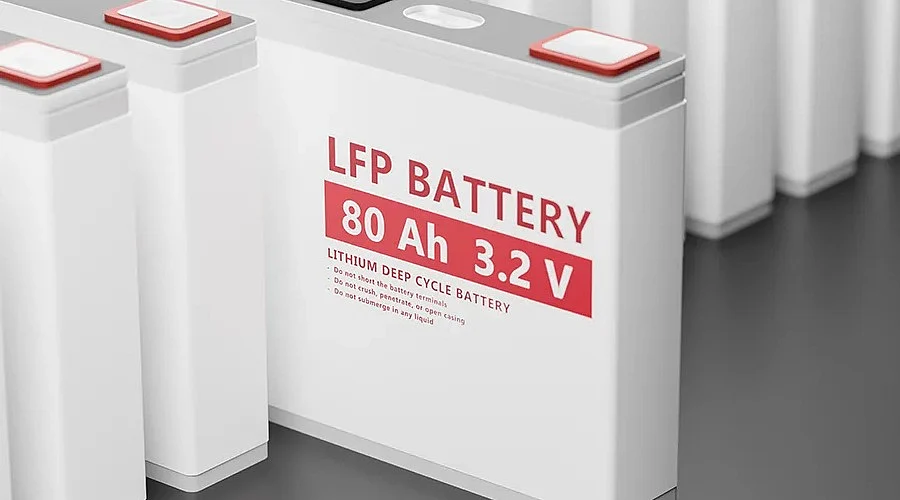
LFP chemistry offers greater thermal stability, making it relevant for EVs operating under India's high-temperature conditions.
Its favorable cycle-life characteristics and nickel- and cobalt-free cathode can support durability and lower battery costs.
Lower energy density means LFP may require larger packs, creating a trade-off between range, packaging, cost, and operating conditions.
India's climate puts real pressure on EV batteries. Summer heat in several regions pushes past 40 degrees Celsius, and a car parked in direct sun faces even more. This heat speeds up battery wear. It is one reason lithium iron phosphate, or LFP, has grown into a major force in India's EV market.
Every charge cycle changes a battery's internal chemistry a little. Heat speeds up that change. This is why EV makers build thermal management systems into every pack, no matter where the car is sold. In India, that system works harder. Fast charging and stop-start traffic under a hot sun both add strain.
This table shows the trade-off in plain terms. LFP trades some range for stability and cost. NMC does the opposite.
LFP's chemical structure holds up well under heat. The iron-phosphate bond resists breakdown better than the layered oxide structure inside NMC cells. This does not mean NMC fails in hot places.
NMC batteries run in hot climates worldwide, kept in check through cooling design and battery management software. The real difference is where the safety work happens. LFP carries more of that job inside its own chemistry. NMC leans more on the systems built around it.
Source link