Despite what the GDP tells me, the economy in the real world doesn't feel like it's doing too hot for the average joe. But during the recent years' descent into compounding supply crises and mass layoffs affecting thousands of workers at once, I've noticed another trend: Sure does seem like there are a lot of vampire games in the mix lately.
I started to sense an uptick after Arkane's ill-fated Redfall in 2023. There was Vampire Survivors and V Rising—and Nighthawks, Moonlight Peaks, Blood of Dawnwalker, and more. Given current circumstances, you might think I'm just primed to notice nightmarish aristocrats bleeding us alive to sustain themselves. But after too many hours of spreadsheet data entry, I'm convinced devs really have been dabbling more heavily in Draculas as the economy feels increasingly dire.
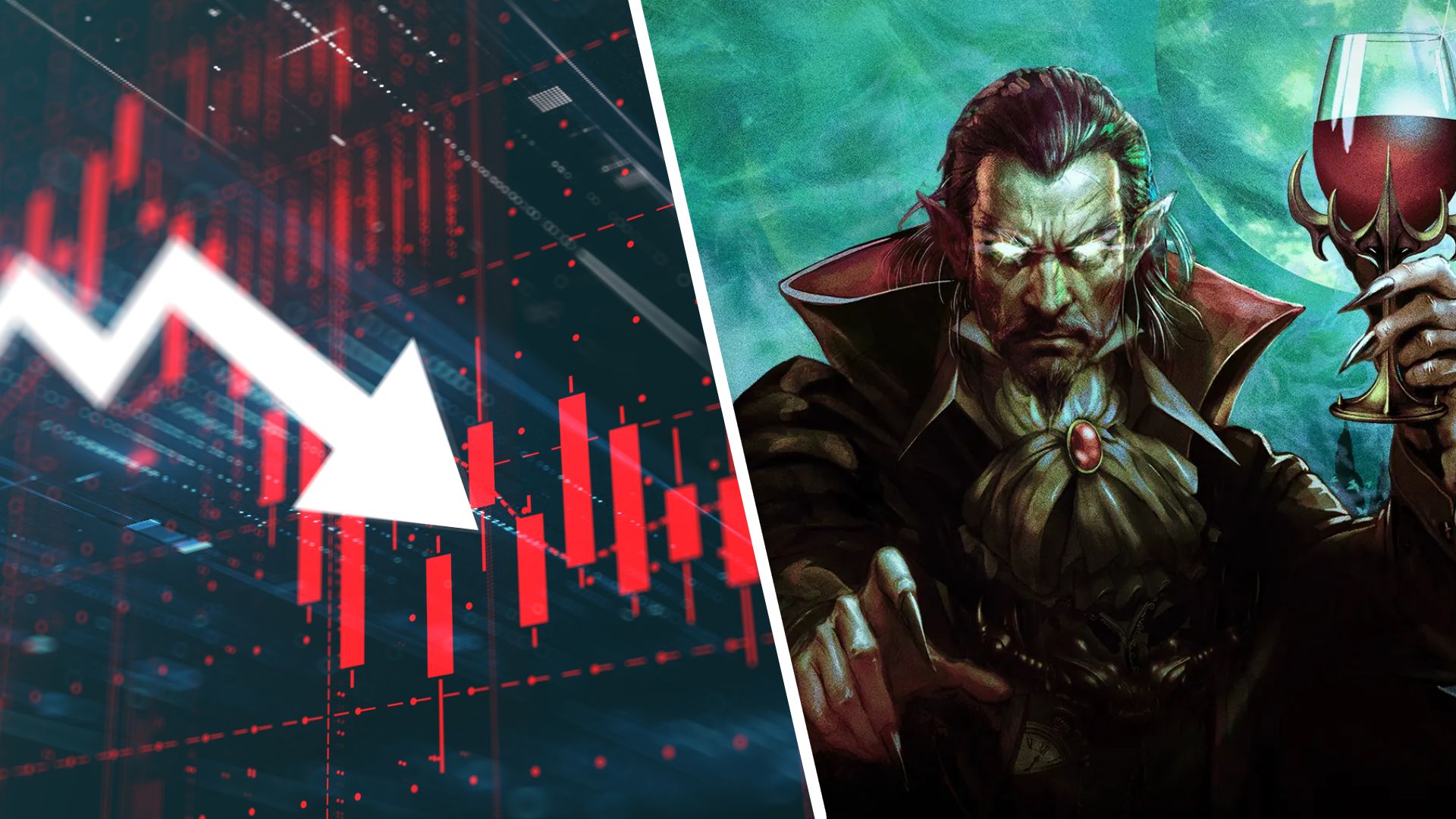
Vampire games on Steam are a recession indicator. And I have the charts to prove it.
At first glance, assessing whether Steam's vampire offerings can serve as a bellwether for economic sentiment could seem like a simple task. Steam has a Vampires tag, after all. The release dates are right there. Easy, right?
The Vampires tag is—perhaps fittingly—a horror. Devs and users freely slapping the label on anything with even one Dracula would be bad enough, but the advent of Vampire Survivors created a categorization disaster. Before Steam added a discrete bullet heaven genre, its countless imitators were content to use the Vampires tag as a makeshift discoverability solution. It's a mess in there.
Not only that, but I wanted a more complete picture of Steam vampire activity than release dates alone can provide.
Source link