In our interview, Valheim art director Robin Eyre discusses the Deep North, the road to 1.0, and what's next.
I have a certain expectation when asking a game developer to define what ‘deep’ means to them. It feels like a simple command: head north, keep going, and watch the terrain deepen. Yet for Valheim studio Iron Gate, the word triggered an existential design puzzle that meant reconsidering their entire world’s geography.
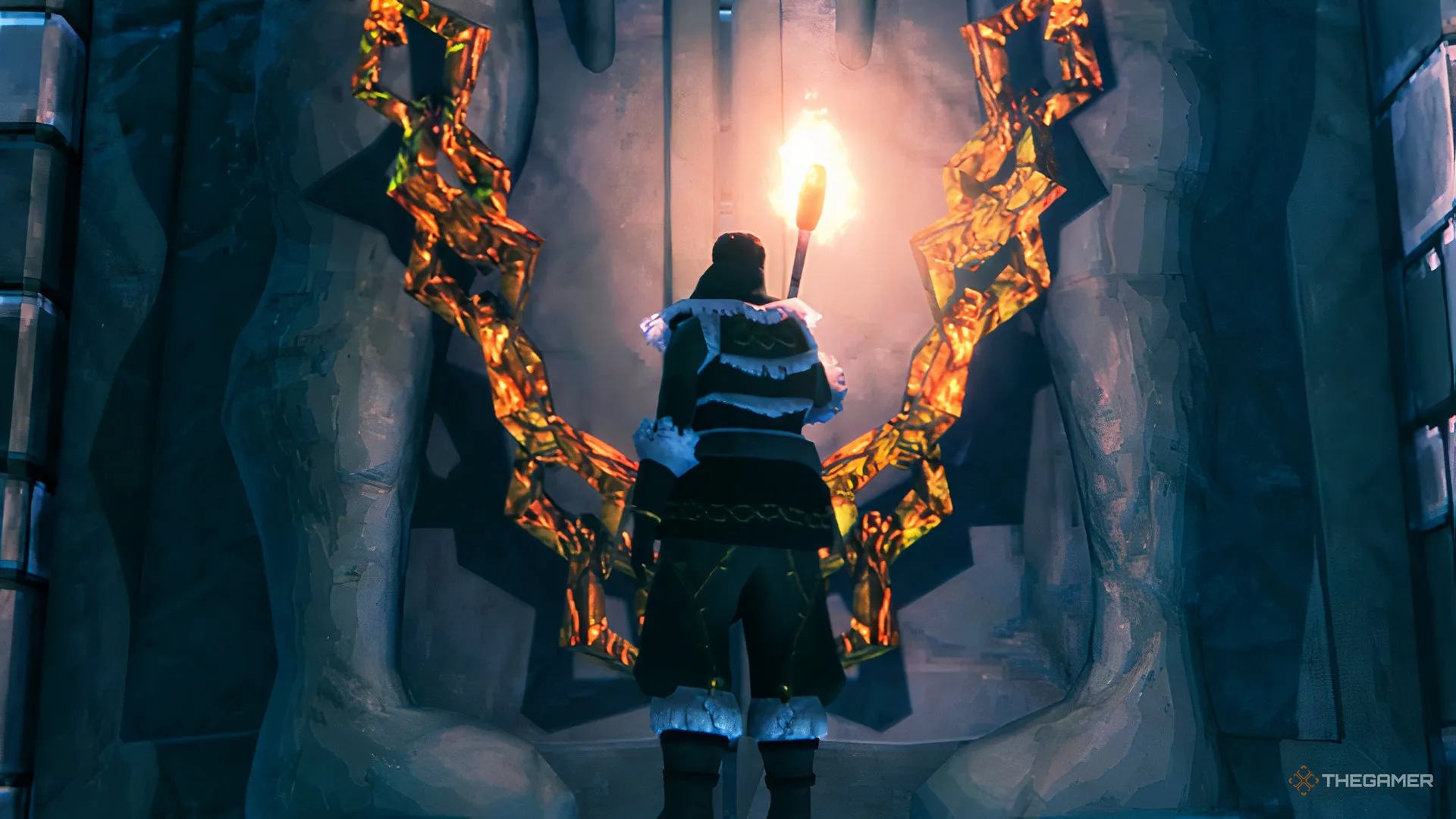
For Valheim 1.0's release, I spoke with Robin Eyre, art director at Iron Gate Studio, about the long-awaited Deep North, how the team shaped the game's final chapter, and what it means for Valheim to finally leave Early Access. For Eyre, figuring out the Deep North was one of the more complicated parts of that journey. The team had been thinking about the biome for years, and its final form was far from inevitable.
“At first we did a lot of thinking about what ‘deep’ means in this case, and what a ‘deep north’ means in general,” Eyre said. The team considered everything from prehistoric jungles to towering mountains and enormous chasms. “Something we also considered was if the Deep North should be focused on a cave system, where you could enter a dungeon in one place, and then exit it somewhere else. We really did go through so many different approaches.”
Eventually, the team arrived at the landscape players encounter in-game: a kind of greatest-hits collection of Valheim's existing environments. There is a combination of elements from the Mountains, Meadows, and Black Forest.
Source link