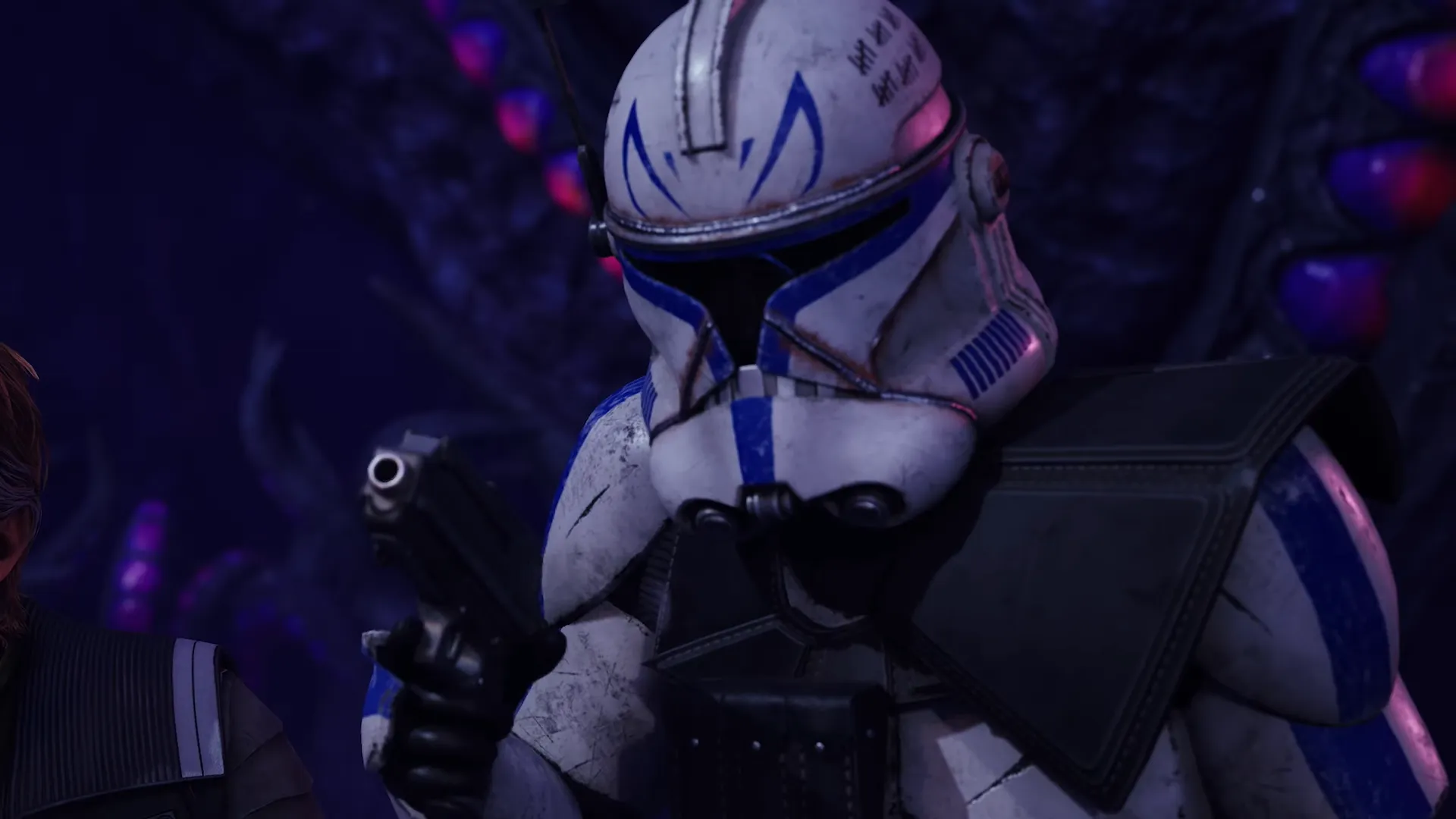
It's a great time to be a fan of Star Wars games. Or, to put it another way, video games have made 2026 a less shitty time to be a fan of Star Wars. In the past couple of months, we've had two exceptional Star Wars games in new, or underexplored, genres for the franchise. With Star Wars: Zero Company, XCOM veterans told a stunning Clone Wars-era story through squad tactics; with Star Wars: Galactic Racer, Burnout veterans evoked the series' roguish, hot-rod vehicular culture in a standout racing game.
Both games have been received with acclaim by critics, especially the innovative Galactic Racer. Their releases have been well-timed to stand out for consideration at The Game Awards in December, too. But Star Wars has a checkered history at TGA — and gaming awards in general. And while Zero Company and Galactic Racer are better placed for success at the awards than almost any other Star Wars games of the last two decades, they might still struggle for recognition.
Part of this story is the general sniffiness of gaming awards bodies around licensed games. This prejudice doesn't exist without reason; for the majority of video game history, the majority of licensed games have been trash. But there also seems to be general resistance to games based on outside properties, perhaps born of the young medium's protectiveness of its originality.
In the early days of gaming awards, these instincts led to licensed games being condescendingly cordoned off in their own play area.
Source link