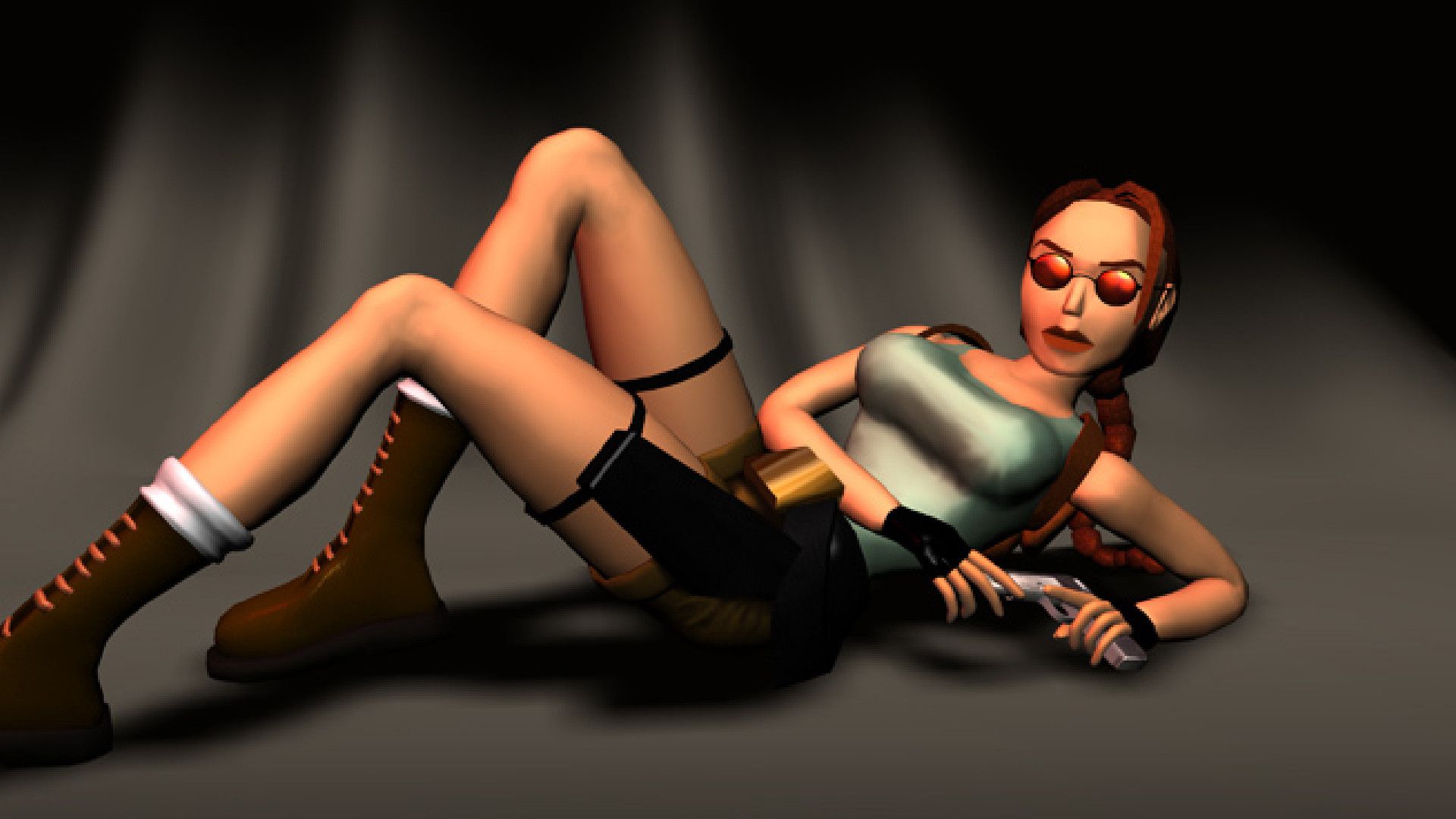
Lara Croft was once gaming's biggest sex symbol, but it wasn't always meant to be that way. The original Tomb Raider devs first envisioned their hero as a more realistic and androgynous woman before settling on the Lara we'd eventually know. But even though the devs at Core Design turned Lara Croft into a polygonal hourglass, they still weren't thrilled to see publisher Eidos lean into a sex-first marketing strategy.
"Lara was originally Latina and her appearance was more realistic, almost androgynous," co-creator and lead programmer Paul Douglas tells The Guardian. "We felt that more stylised movement would play better, so her physique changed to reflect that." Lara's origins as a Latin American character called Laura Cruz are well documented, but much of the Cruz concept art that's surfaced over the years still depicts her with exaggerated hips and a bare midriff.
The common wisdom among publishers at the time was that "a female character will never sell," as Douglas puts it. But even if Eidos initially saw Lara as a marketing liability, that quickly changed. She was put front and center in the marketing for the first Tomb Raider game, and by the time the sequels came around, Eidos was happily releasing pin-up style renders of the character in increasingly suggestive stages of undress.
"The marketability of Lara thrust Tomb Raider into the stratosphere," Douglas says. "The game’s publisher, Eidos Interactive, took the character and ran with it.
Source link