The past four weeks have been something of a wake-up call for the video game industry. You’ve read the headlines, so you know the deal by now: AI advancements spearheaded by Claude Opus 5.5 have turned the world of coding on its axis. Decompilations that used to take months, or even years, are now being pumped out on a daily basis, and publishers can’t keep up with the deluge of vibe-coded browser ports and “native” PC recompilations.
I’ve been covering and researching this over the past month, and there’s one recurring topic that keeps popping up in every comment section I read: karma. For many, this is the video game industry’s “you reap what you sow” moment, proof that the AI tools many publishers have brazenly admitted to using are a double-edged sword.
It’s a tricky subject to tackle, because it comes packaged alongside so much bias. For instance, where the PlayStation emulation scene is concerned, many see it as retribution for Sony’s decision to kill physical media. Nintendo has maintained a mostly ambivalent stance on generative AI, yet some consider the explosion in vibe-coded recomps as punishment for the company’s litigious history.
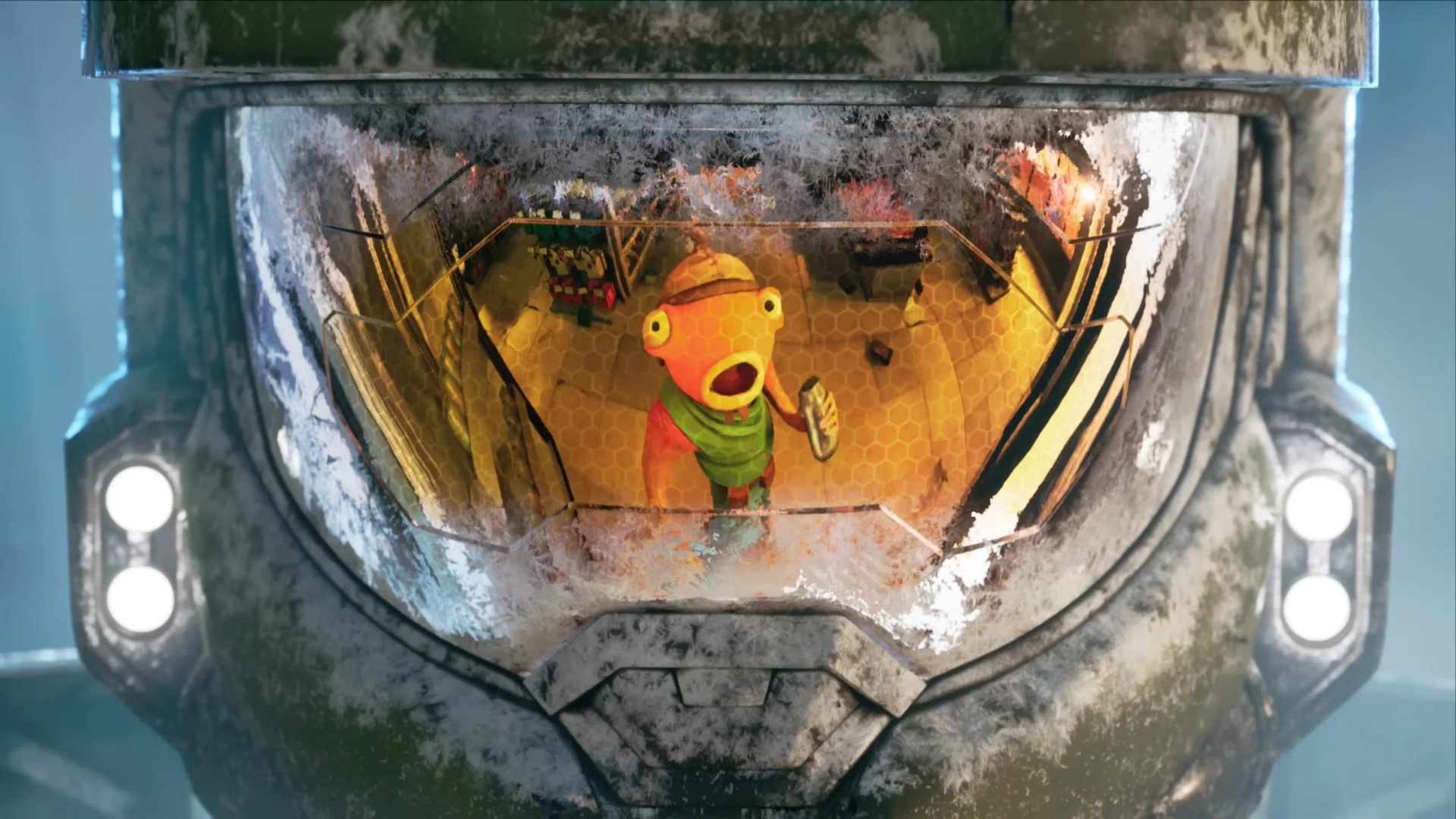
However, there’s a less ambiguous side to this discussion that I’m far more interested in tackling: hypocrisy. Many publishers are gleefully and very publicly advertising their use of AI to develop games, yet two specific publishers are attempting to have their cake and eat it too in this respect: Microsoft and Epic Games.
Hundreds of DMCA notices have been fired off by companies in response to the recent flood of AI-powered recomps.
Source link