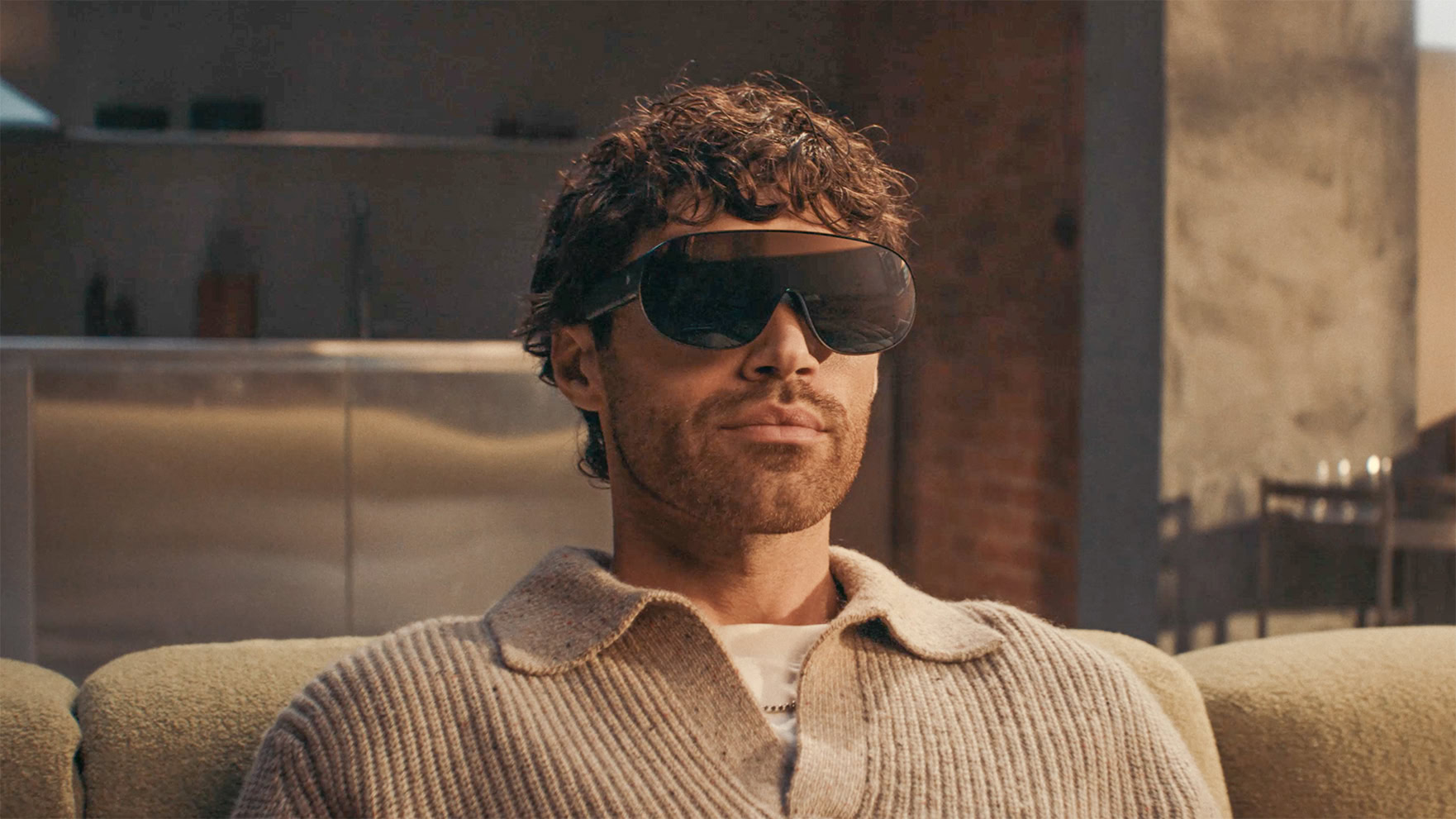
Meta has finally unveiled its next-gen mixed reality headset, Meta VR Glasses. While they could technically fit somewhere in its Quest lineup, Meta seems to be making a concerted effort to bridge the gap between its experimental augmented reality projects, like Orion, and its much bulkier Quest gaming platform.
Previously known as ‘Project Phoenix’, Meta VR Glasses are a compute puck-tethered device which are going on sale sometime in Spring 2027, priced at $1,300. You can check out the full specs and launch details here.
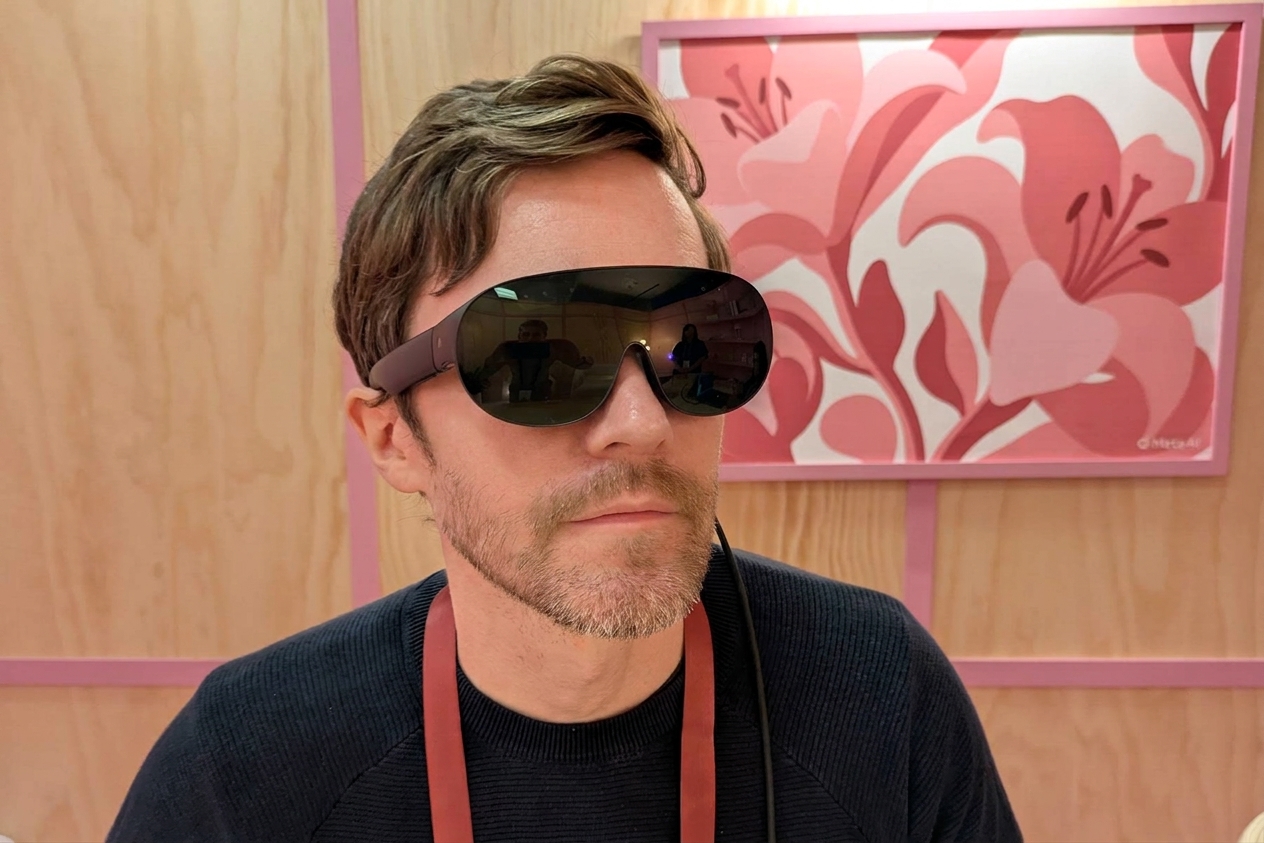
I got a hands-on preview of VR Glasses at Meta’s big annual Connect developer conference, giving me a chance to get to grips with the new gaze and hand gesture-based UI, get an early feel for ergonomics, and experience the most pixel-dense display Meta has ever sold.
After a long stint of LCDs from Meta, we’re finally getting proper micro-OLED panels. You’ll find the full specs here—but it bears mentioning that VR Glasses are visually impressive: 5.5MP (2,412 x 2,288) per-eye resolution at 37 pixels per degree (PPD), with a refresh rate up to 120Hz.
That class-leading pixel density comes at a tradeoff though: its 70-degree horizontal field-of-view (FOV) is noticeably smaller than Quest 3’s 110-degree FOV, which some may find frustrating on the face of things.
The display’s black are predictably deep, there’s no noticeable OLED smearing, and panels are sufficiently bright—maybe not as bright as I would have hoped, although I suspect that had more to do with the fact that I didn’t try it with the optional light blocker accessory Meta will ship when VR Glasses go on sale next year.
Source link