This is an IGN opinion piece from Carlos Morales. He’s read several thousand Marvel comics and gets annoyed when adaptations don’t feel true to the characters.
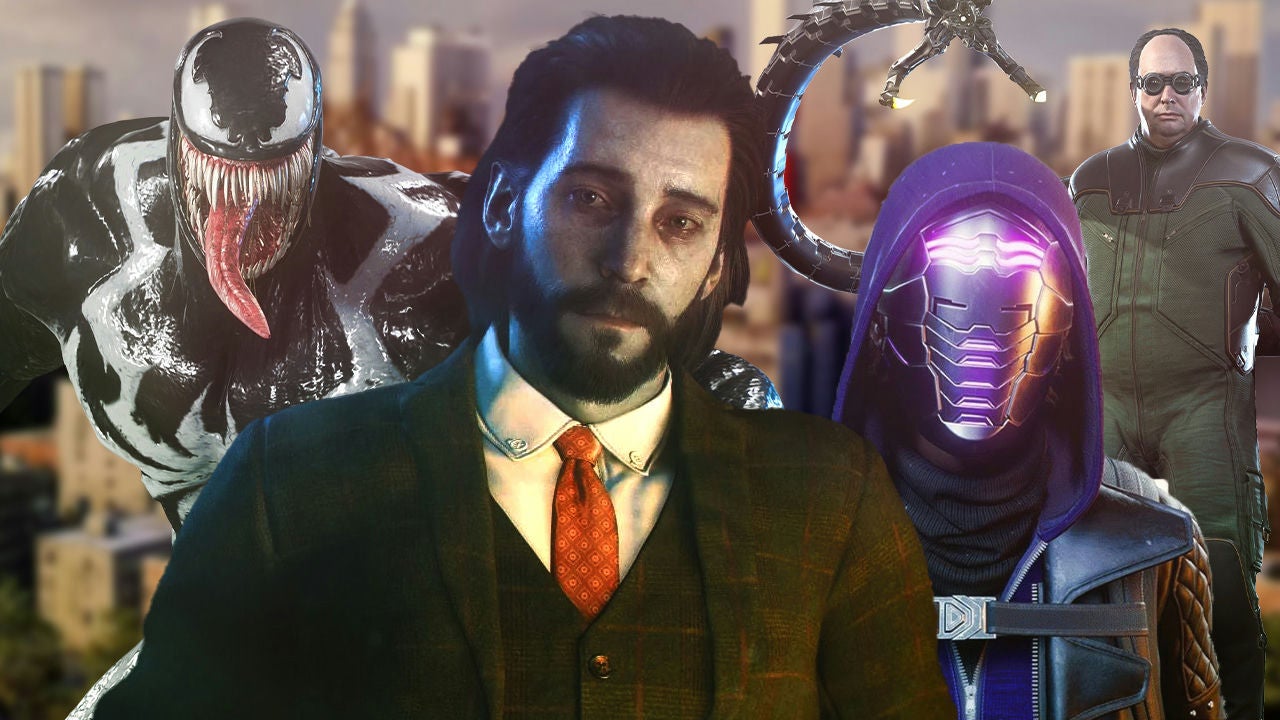
Marvel’s Wolverine is out in the wild, marking the fourth collaboration between Insomniac Games and Marvel. But instead of being a triumphant new entry in the studio’s catalog, Wolverine has had a shaky launch, scoring a 6/10 in IGN’s official review and being savaged by online commenters. While the game isn’t as bad as the worst of the backlash would have you believe – a 6 on the IGN scale means ‘okay’, after all – it doesn’t reach the heights of Insomniac’s best games. It also highlights one of the studio’s most frustrating trends endemic to its triple-A Marvel games: the way it adapts supervillains from the Marvel universe.
All four of Insomniac’s Marvel games feature a story where the main villain is a close friend of the hero, and their falling out is the main source of the conflict. Not only is it unimaginative to keep recycling the same plot, but the recurring use of the trope has reached a new level of absurdity in Marvel’s Wolverine because it tries to tell that story with Mr. Sinister, one of Marvel’s most sociopathic antagonists. Let’s delve into why Insomniac needs a new approach to supervillains.
Marvel’s Wolverine establishes an odd status quo for mutants in the world of Insomniac’s Marvel games. There are no X-Men, and Nathaniel Essex, who in the comics is traditionally the supervillain Mr.
Source link