Threat intelligence firm Intorqa reported in its 2026 Cheatonomics study that the global video game cheating economy generates an estimated $8.5 billion annually.
That’s more than the $7.53 billion that Electronic Arts generated in its fiscal year ended March 31, 2026. And so it goes without saying that EA’s crew of anti-cheat professionals has its hands full dealing with those who are generating cheat programs for games.
Mike Reavey and his team of cybersecurity professionals at EA are responsible for fighting the forces of cheating.
In September, EA noted in its year of progress report that EA Javelin now protects 21 games, with 10.8 billion PC gaming sessions monitored. EA said it dealt with 26.7 million cheat attempts in the preceding year, and it has about 99%-plus cheat detection accuracy and less than 1% error rates. Game launches are 60% faster.
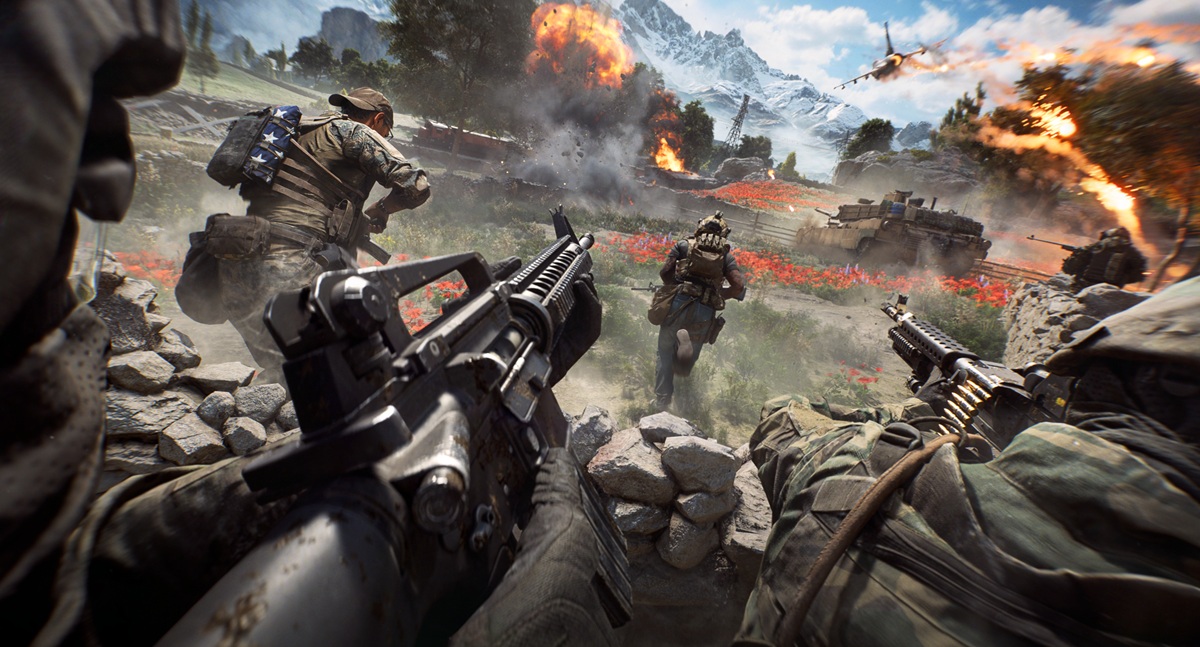
And more than 4.8 million players enabled Secure Boot so far. For Battlefield 6 alone, more than 330,000 cheating attempts or anti-cheat tampering were blocked during the open beta test period.
More than 2.39 million cheat attempts were blocked shortly after launch, and EA estimated a match infection rate (MIR) of 2%, meaning 98% of matches were cheat-free. EA said 96.3% of more than 190 detected cheat programs had been disrupted or rendered ineffective, and 98.5% of PC players met Secure Boot compliance requirements.
I spoke with Reavey about the state of cheating in multiplayer games and the efforts to stop it. Here’s an edited transcript of our interview.
Source link