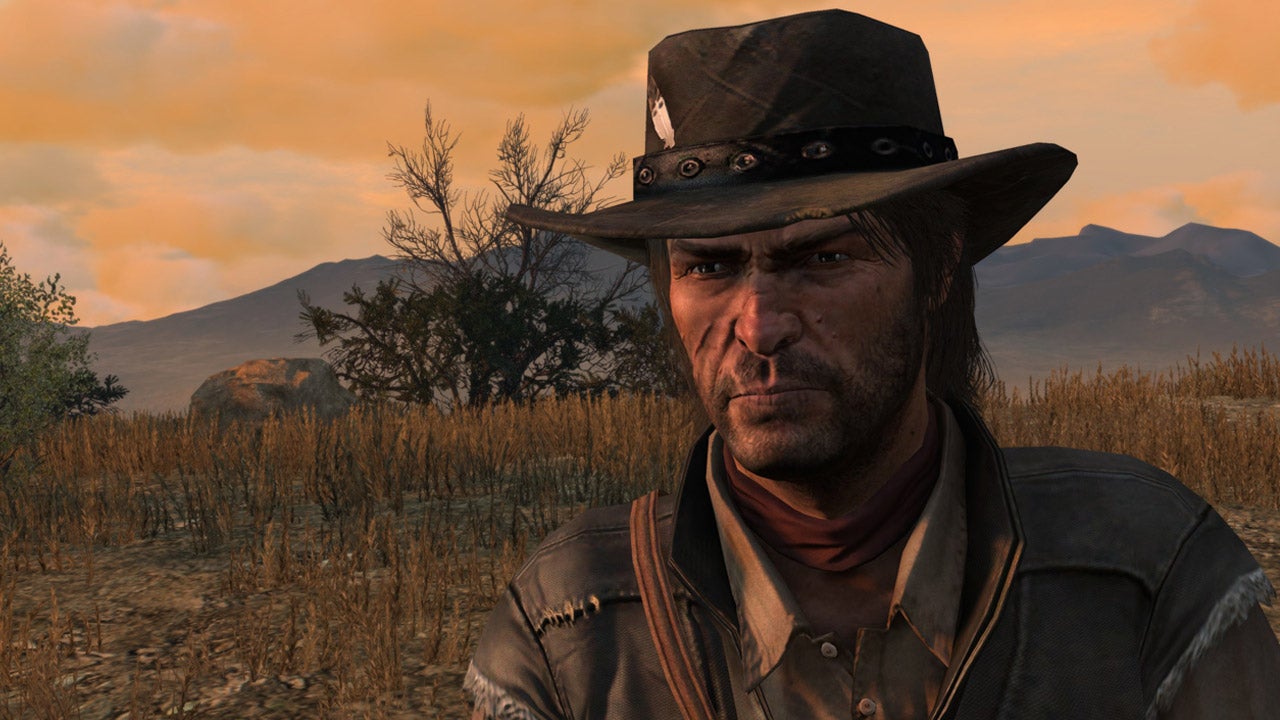
The ending of 2010’s Red Dead Redemption is an all-timer. For dozens of hours, we’re placed in control of protagonist, John Marston, as he wanders across the American West in search of revenge against his former gang leader, Dutch Van der Linde. He, of course, gets it in a snowy showdown in one of its final missions. But John doesn’t get to live out his life in peace. That would be far too tidy an ending. Instead, the outlaw is gunned down by members of the army at his family farm’s barn.
It was a novel twist at the time. Open-world games, and games in general, didn’t do this. It initially split opinion, but has since gone down as a masterstroke in narrative design. Dan Houser, former VP of Rockstar and writer of Red Dead Redemption, recently spoke with IGN as part of our IGN30 Icons Series, and told us that it was just as difficult a decision to make as it sounds.
“I remember discussing it with the lead designer, Christian Cantamessa, and he was into it, and I was into it, but just knowing the production realities of… how does an open-world game work if you've killed the protagonist? ’ And he goes, ‘That's a great idea. ’ I said, ‘I don't know if... let me just think about this,’ because we're just dealing with audio and dialogue. The nature of an open-world game is you finish a story, then you go back into the world and wrap up all the side content if you want to.
Source link