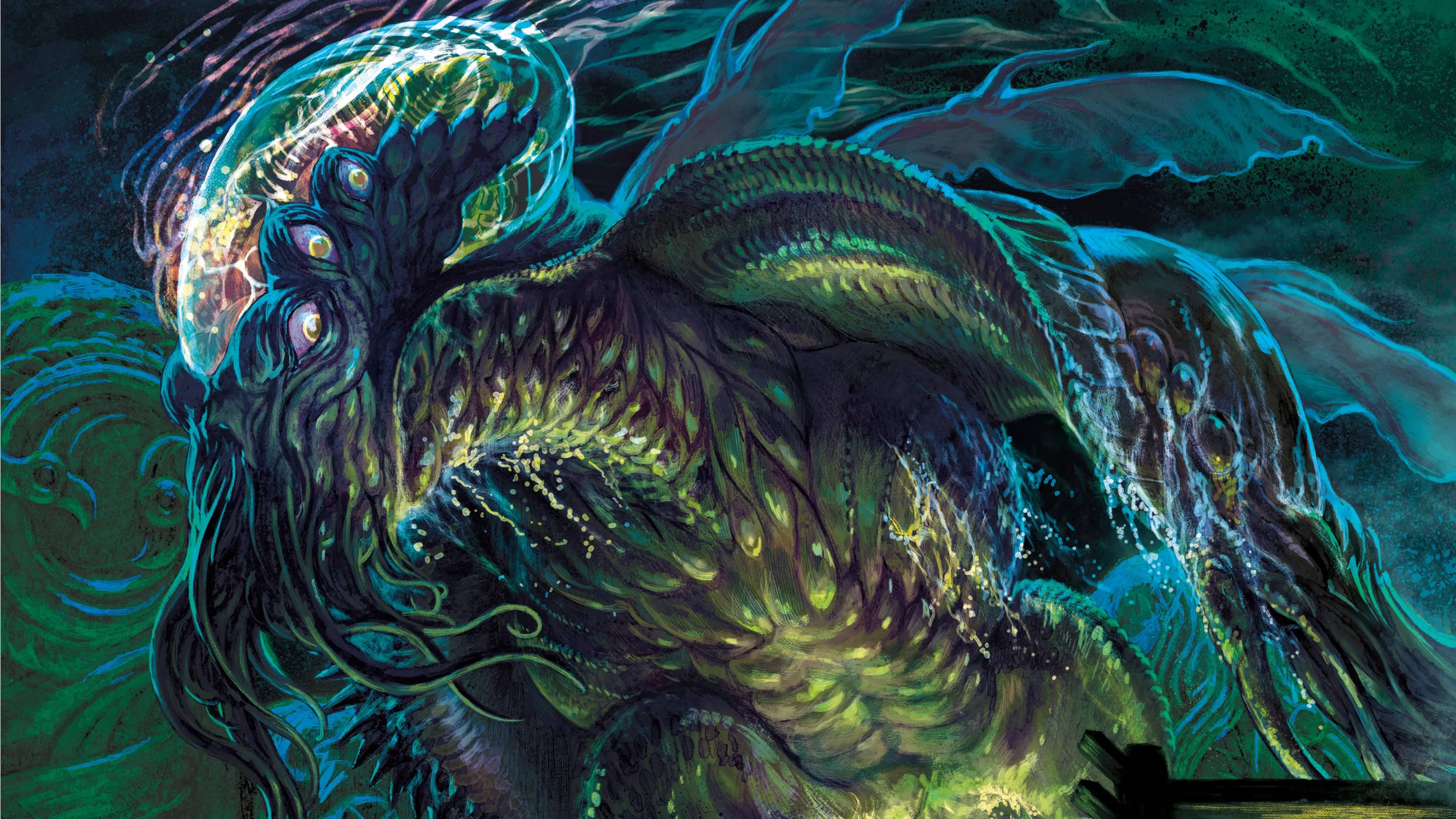
For decades, the Cthulhu Mythos has been a prolific source of inspiration for creatives. Originating in the works of H.P. Lovecraft, this cosmology populates the universe with terrifying entities that, most of the time, lie in wait beyond the threshold of human perception. While Cthulhu is surely the most famous, Lovecraft and the writers who followed in the genre described as "Lovecraftian horror" have created a veritable pantheon of unfathomable, godlike beings. However, not even a Great Old One is immune to the changing of times.
Chaosium Inc., the company that publishes the tabletop role-playing game Call of Cthulhu, recently launched a Gamefound project for Call of Cthulhu: Old Ones, a tabletop game for 2–4 players who take on the role of one of the Great Old Ones and their faction. The Cthulhu Mythos deities available in the game include Cthulhu, Hastur, Yog-Sothoth, and Shub-Gorath. While this last name may sound completely new to Cthulhu fans, it's not an original creation but in fact none other than Shub-Niggurath, whose name was changed by Chaosium.
In a message published on the project's update page , Chaosium explained the reason behind the change. The name Shub-Niggurath could be associated with the racial slur used to describe Black people. Chaosium clarifies that "Lovecraft scholars concur 'Shub-Niggurath' was not derived from the slur," but it could nonetheless trigger automatic content filters online, an issue known as "the Scunthorpe problem," from the name of an English town whose inhabitants, in 1996, were prevented from creating AOL accounts because of the slur contained in the town's name.
Source link