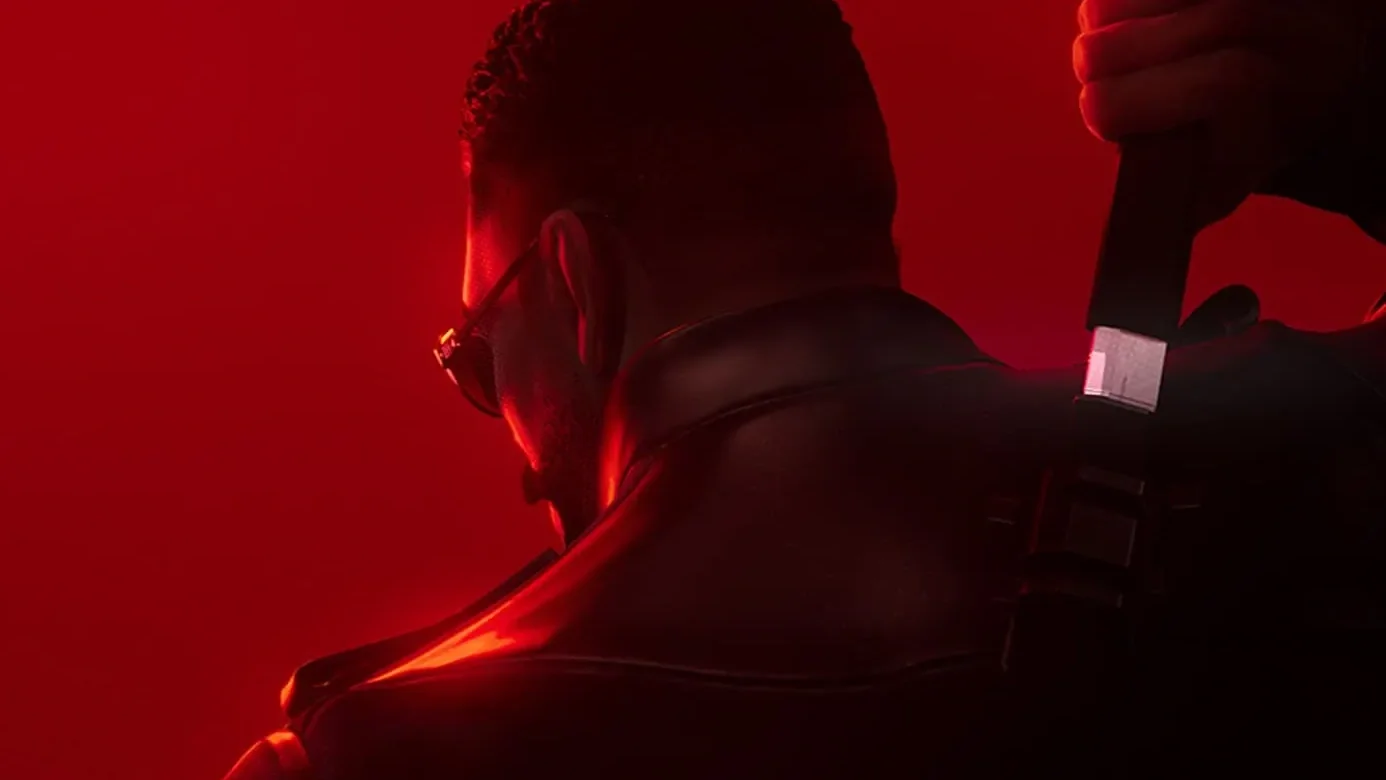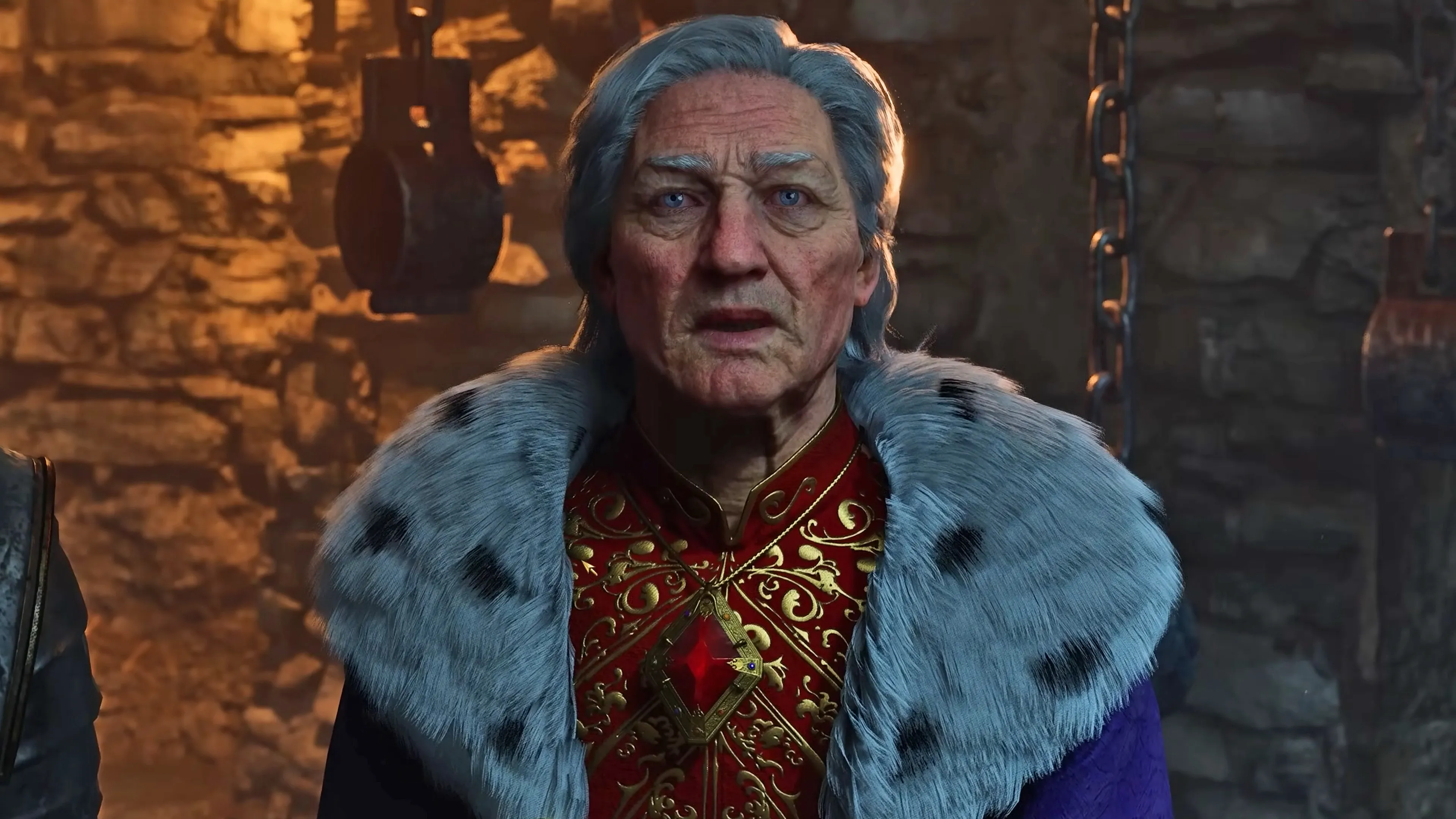
After surprisingly early Diablo and StarCraft reveals, it seems there's a mandate to keep big games in the spotlight, no matter how far off
The first thing this week's title reveal for The Elder Scrolls 6 made me think of was a pair of recent big PR beats from another Xbox-owned studio. At BlizzCon in September, Blizzard surprised everyone by announcing Diablo 5 and its shooter reboot of StarCraft.
Both were more substantive than Bethesda's one-word-and-a-quote tease, if only a bit. They included impressive cinematic trailers and interviews with creatives. Diablo 5 even got some plot and game design details. But it was clear that we are a long way from seeing gameplay on either game, and the real shock was the announcement of far-off release dates: spring 2029 for Diablo 5, 2030 for StarCraft.
The reveals stuck out because they flew in the face of years of received wisdom. There was a messy period in the 2000s and early 2010s when big games often found themselves bogged down in development for years after too-early reveals and amid mounting player skepticism. (Diablo 3 is a good example.) These days, the common consensus is to push reveals back as close to launch as possible. And you certainly don't mention a release date until it's less than a year away. 2030 might as well be in the next century.
Nobody knows this better than Bethesda boss Todd Howard, who as recently as March this year admitted that he regrets announcing The Elder Scrolls 6 all the way back in 2018.
Source link