
Avengers: Doomsday is positioned as Marvel's biggest movie ever. A major event in MCU history that will surpass even Endgame, with characters from multiple worlds coming together for an epic showdown with a returning Robert Downey Jr. as Doctor Doom. Everyone from the Fox-era X-Men to the Fantastic Four will be there, proving the crossover invitations reached every corner of the multiverse.
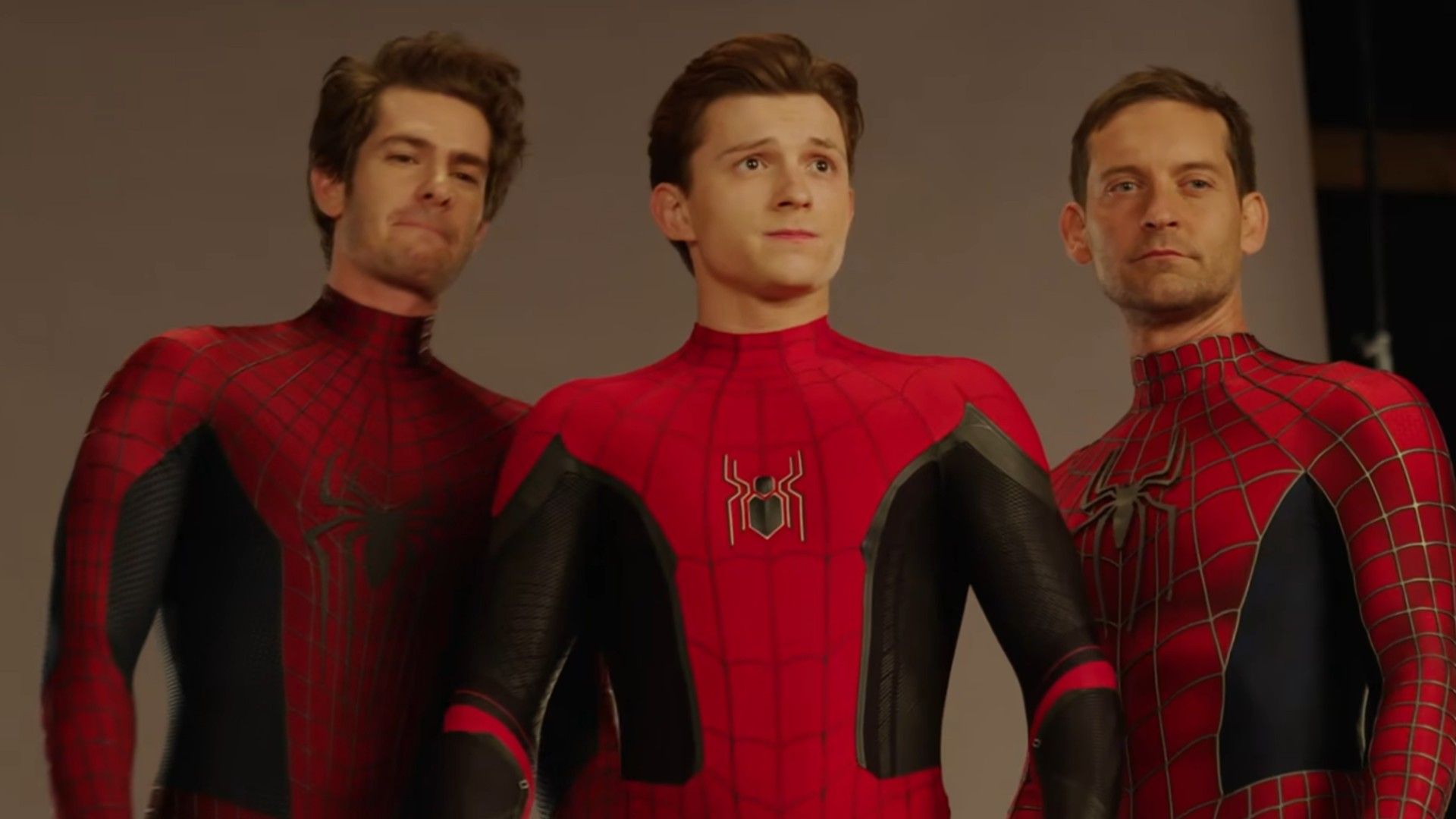
But before there was Doomsday, there was Spider-Man: No Way Home. That film brought together different eras of Marvel just like Doomsday, except it focused strictly on Peter Parker – even as it unleashed the multiversal mayhem that has come to define this phase of the MCU.
No Way Home was Marvel's first blowout success post-Endgame, grossing almost $2 billion amid the COVID pandemic (Far From Home, the first Marvel movie released after Endgame, grossed $1.1 billion, in comparison). Obviously, Spider-Man himself is a huge draw. Just look at the mega-success of this year's Spider-Man: Brand New Day for all the evidence you need. But it wasn't only the promise of three cross-timeline Spideys uniting that made No Way Home a success – it was its focused, character-driven storyline.
While the film brings together three different Peter Parkers from three different film franchises, its focus remains squarely on Tom Holland's Peter. No Way Home picks up in the aftermath of Quentin Beck exposing Peter's identity at the end of Far From Home. The MCU is often sorely lacking in consequences, but this is one plot wrinkle that actually stuck: Peter's life – and by extension, the lives of his friends and family – is suffering from the world believing him to be a murderer.
Source link


