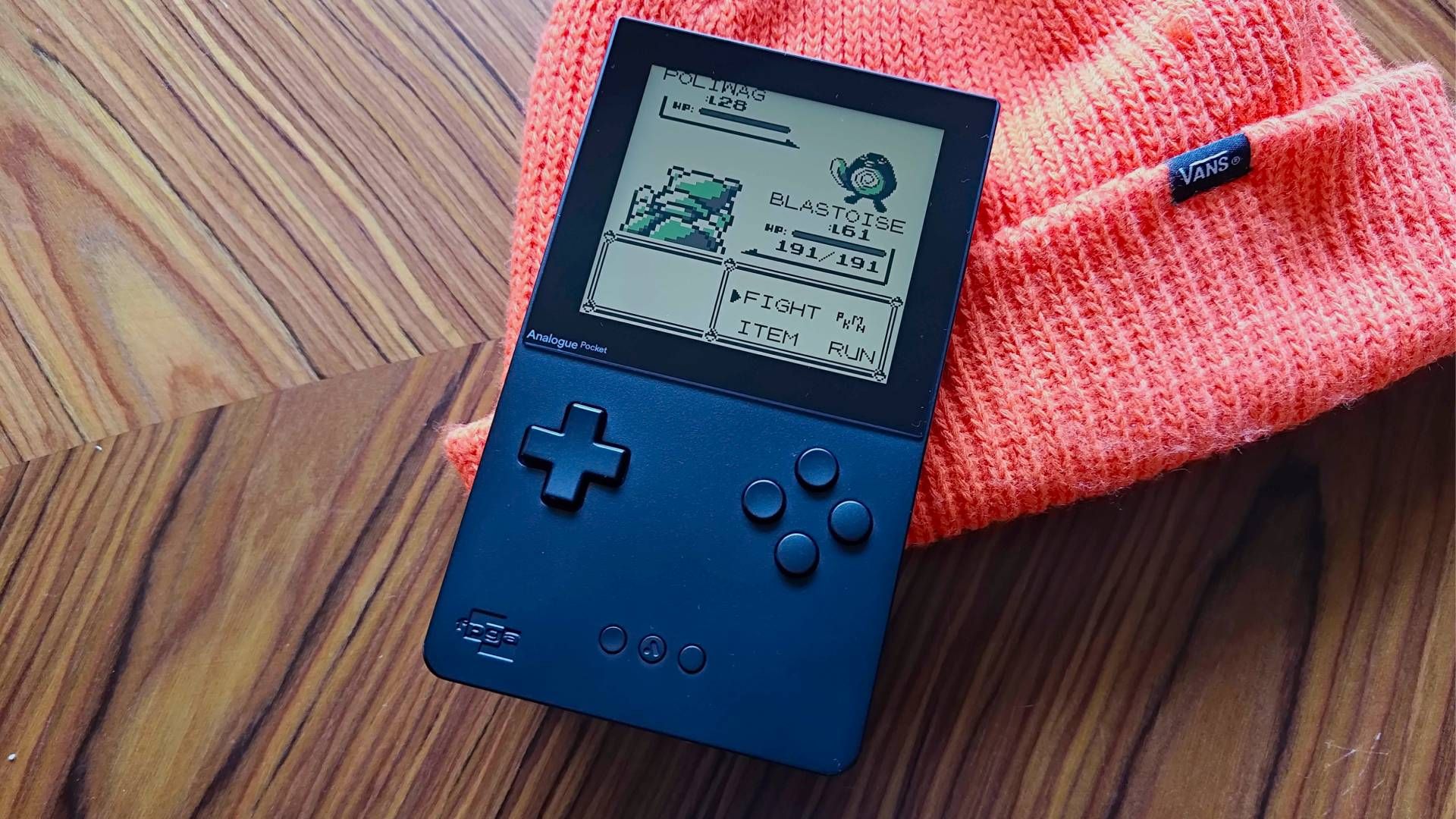
One of the best parts of the Analogue Pocket is openFPGA – a fancy name for supporting an array of open-source, homebrew emulators. But as with seemingly every corner of the retro dev scene, the makers of these FPGA emulator cores are having to contend with low-effort, vibe-coded slop from would-be contributors. You can pencil in the dev behind the SNES emulator for Analogue Pocket as one of the many annoyed by having to deal with all this AI-generated code.
Yesterday, a contributor going by nasonliu contributed an "experimental MSU-1 streaming" feature for the Pocket SNES core. The MSU-1 is, in essence, a fictitious enhancement chip for the console. It never existed in real life, but emulator developers created it as a standard that would allow Super NES romhackers to add CD-quality audio and similar improvements to various games.
"If it works, that's pretty cool; I didn't think I would ever see this implemented," says agg23, the developer who ported the SNES FPGA core to Analogue Pocket. I think you can sense the "but" that's coming here, though. "You sent me a nearly 50k line diff, unasked for, completely LLM built, and you somehow expect me to review it," agg23 continues. "There is SO MUCH unrelated garbage here."
In other words, this MSU-1 feature consisted of 50,000 lines of machine-generated code that agg23 would've had to manually review before adding it to the emulator core.
"This kind of behavior is not acceptable," agg23 adds. "You are infringing on the time and brainpower of people by pushing 'your' content that little/no of your brainpower went into; completely unrequested.
Source link