We all know the tale of Civilization 7. It came, it saw, it had you choose a new civ at the dawn of each age and that annoyed quite a lot of people indeed. Sic transit gloria Meier-i.
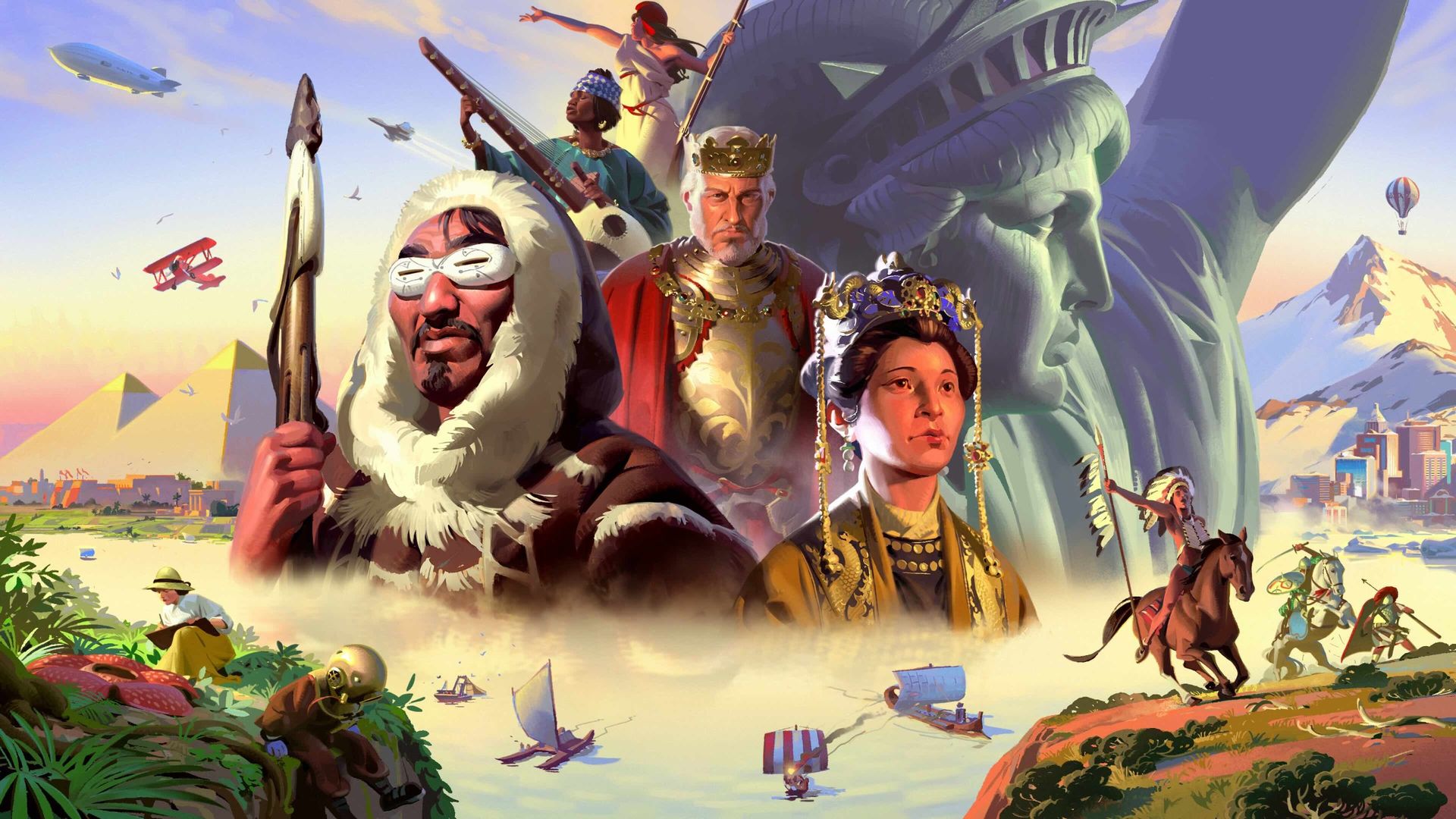
So I was a bit surprised when Amplitude sat us down for a look at Humankind 2 and focused so much on its culture system, reworked from the first game, but a big part of which is selecting new cultures to embrace as the eras chug along—Egyptians becoming Berbers, or Romans, or even English (a dreadful fate) if circumstances conspire to allow it in the game's sandbox.
But I liked what I saw. The other big talking point of the hands-off demo I got was on climate and biome, and how that intersects with and shapes culture. Humankind 2's vision of history is a dialectical one, where a culture is shaped by a biome which is changed by a culture which is influenced by a biome which… you get the idea. Climate isn't static, either. Just like real life, it'll undergo natural and unnatural disruptions depending on chance and player/NPC activity.
So it all feels like an intricate and natural take on (a type of) materialist history. Just, you know, a materialist history where the Egyptians might find themselves waking up to snow one day.
Our demo started us off looking at a map of the world—as in Earth, the actual world—dotted with numerous tribes. The interplay of environment and culture kicks off immediately: each tribe gets a "First Tale" linked to the territory in which they begin, the founding myths that act as the kernels for the full-fledged cultures that will eventually develop.
Source link