By now, 26 years after the strip ended, Peanuts often feels like it comes pre-digested. Even during its original run, much of Peanuts got carefully filtered through layers of T-shirts, greeting cards, and inspirational wall posters. That reduced much of it to the benign emptiness of a Precious Moments figurine.
When you actually read the strip for itself, it can be a surprise to find that Peanuts, particularly in the first half of its run, has more of an edge than it gets credit for. In fact, what put it on the map in the first place was how Charles Schulz depicted childhood. At a point when many other cartoonists focused on the nostalgic joys of being a kid, Schulz wrote about its confusions and quiet terrors.
It's often forgotten now, after decades of enshrinement in the American pop-cultural canon, but this is easily the most subversive element of the strip. Peanuts is frequently a meditation on how rough it really is to be a little kid, which made it a strong counterpoint to the more saccharine vibes of 1950s newspaper gag comics.
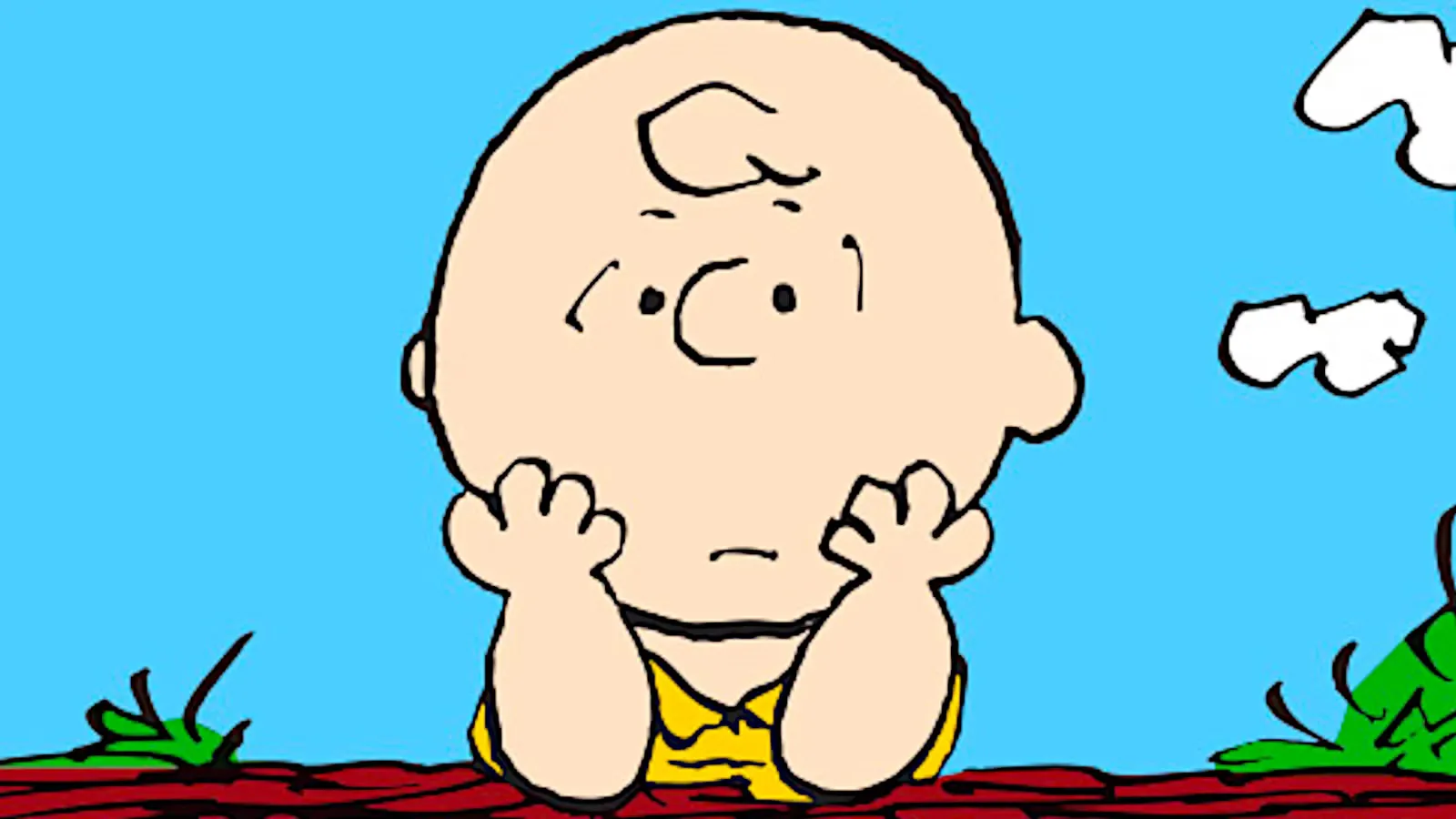
There's no better representation of Schulz's approach in Peanuts than Charlie Brown himself, who is still one of the most consistently unlucky characters in comics history. It's not enough that Charlie Brown is saddled with his terrible neighborhood baseball team or his own anxiety, but the world of Peanuts is designed to constantly dump further problems on him. Charlie Brown does get a few wins here and there, but if you go on a Peanuts archive binge, it's largely a portrait of his depression.
Source link