A few years ago, Mast was reading through some scientific literature when he stumbled upon research about a houseplant wired to a motorized stand. When the plant wanted more light, electrical signals flowed through the living tissues. A control board sensed the current and wheeled the plant closer to the light source.
“I’m like, what the heck?” Mast told TechCrunch. “That was the entry to the rabbit hole for me.”
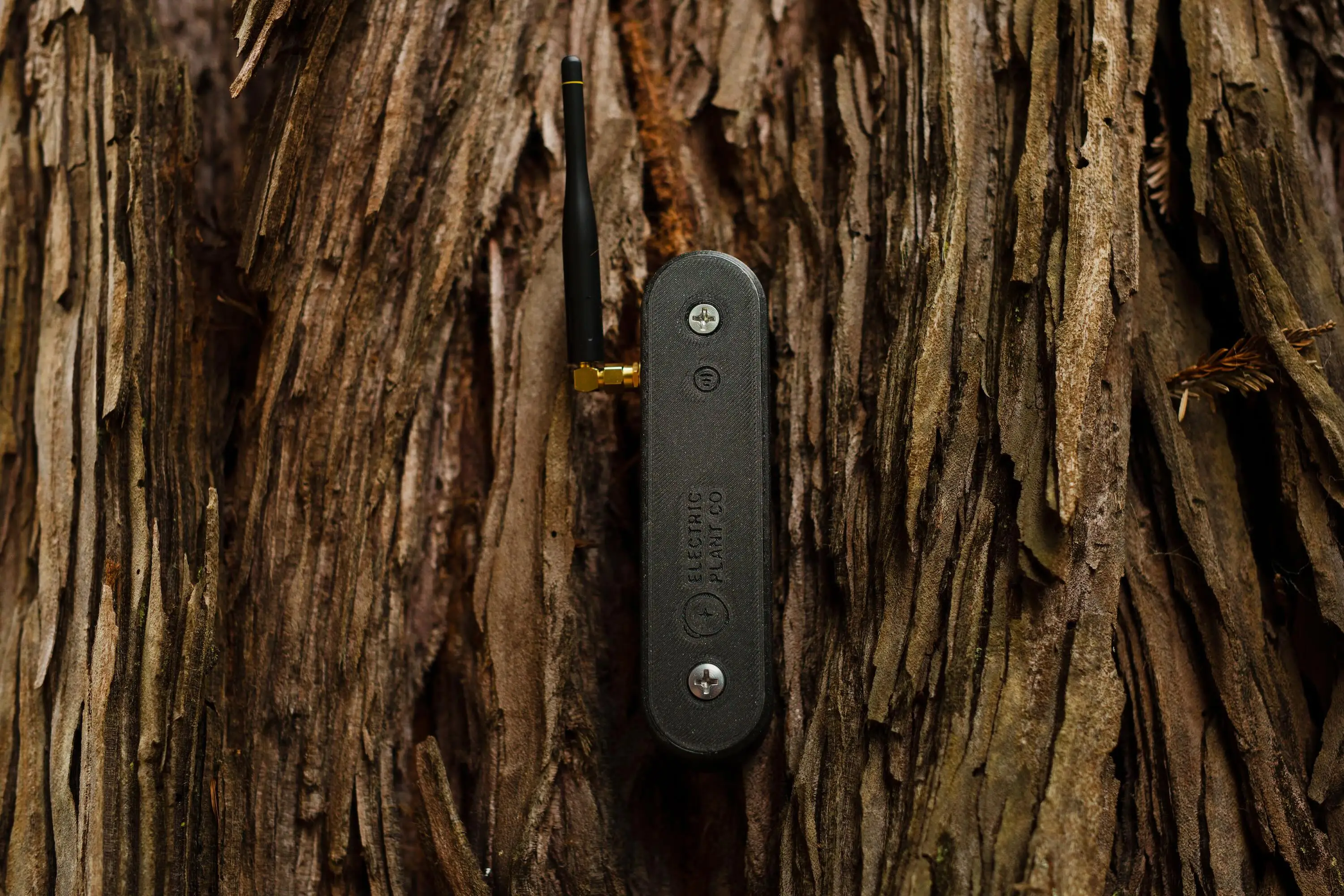
Mast wound up partnering with Lee von Kraus, a neuroscientist who has worked with DARPA, to found Electric Plant, which has been spending the past three years collecting data to build a large language model, Bombadil, capable of interpreting the subtle electrical signals coursing through a plant’s stem and relaying details about the plant’s needs to growers.
The founders believe their model could one day lead to a tool that would let people “speak” to plants. “We’re listening more than we’re speaking, but listening’s the first step,” said Mast, co-founder and CEO of Electric Plant.
To bring its sensors and Bombadil to market, Electric Plant recently raised a $11.2 million seed round led by Onto Ventures and Climactic, with participation from Ponderosa, Endeavor Catalyst, Ludlow, Michigan Rise, The Fund, Schox VC, and Dug Song.
Even in the most controlled greenhouses, farmers and growers don’t have full visibility of what their plants require, Mast said. Traditionally, farmers, growers and foresters have relied on coarse tools that react to plants’ demands for water, nutrients or light. And tools like soil probes, handheld spectroscopes, and satellite imagery work well enough, but they leave much to be desired, Mast said.
Source link