

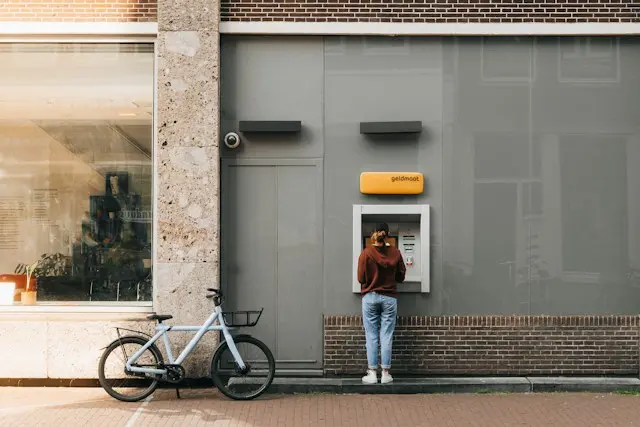
Germany’s banks may soon have little choice but to share their ATM infrastructure, as rising costs, mounting regulation and political pressure over cash access reshape the economics of running a machine network, according to Tieto.
In a recent analysis, Tieto argues that access to cash has become a genuine flashpoint in German public life. Coverage spans thoughtful reporting, such as Die Zeit’s July 2024 piece placing Germany within the wider European payments landscape, through to sensationalist headlines warning of the death of cash.
Governments are increasingly treating access to cash as both a strategic priority and a fundamental legal right. At the same time, fresh reporting from the Bundeskriminalamt (BKA) has put ATM security back in the spotlight, despite attacks on German machines falling in 2025 compared with 2024.
Tieto notes that these pressures, combined with the growing cost and complexity of regulatory compliance, have shifted the ATM pooling debate. What was once a conversation about cost efficiency is now about preserving secure, widespread access to cash. With the Euro Legal Tender Expert Group (ELTEG) recently confirming that EU member states should monitor their own ATM pooling, the business model is changing fast.
Historically, pooling was framed as a way to make cash delivery more efficient while keeping bank branding visible on machines. In practice, Tieto says, agreements led by a single bank proved difficult to manage. Reaching consensus is hard when one institution is seen as being “in charge”, particularly in a market as large and varied as Germany.
Source link





