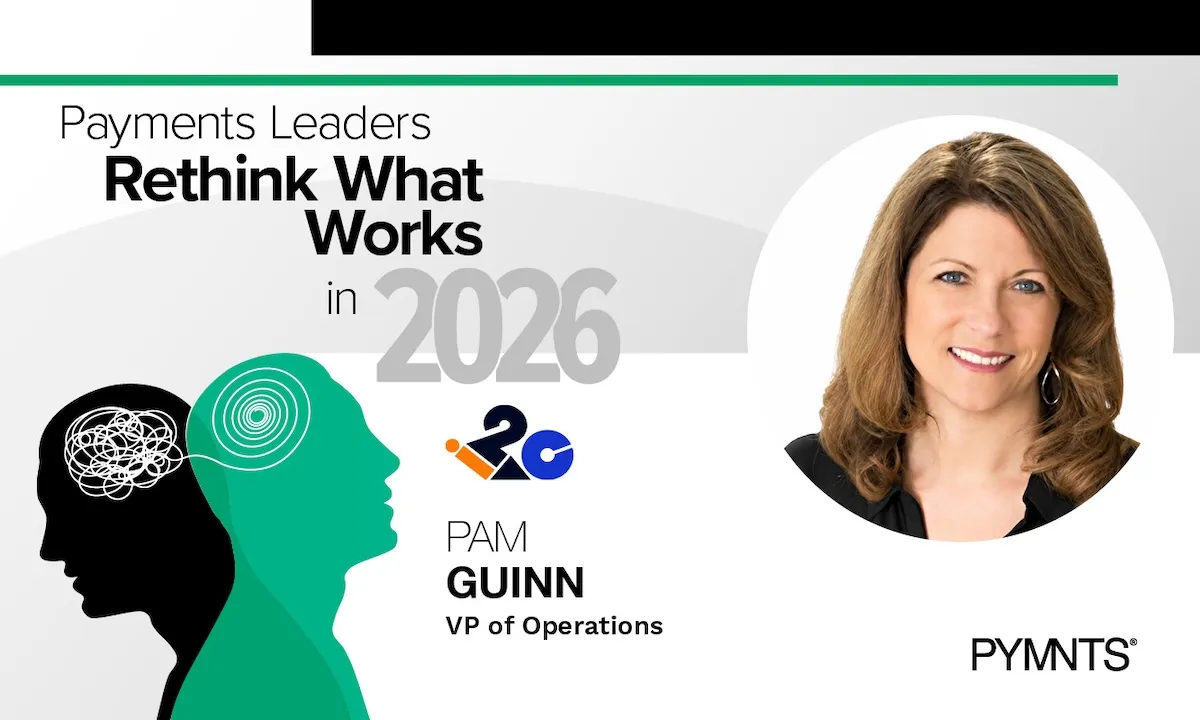
Connecting artificial intelligence to a knowledge base is only the starting point for AI readiness, i2c VP of Operations Pam Guinn writes in a new PYMNTS eBook, “Payments Leaders Rethink What Works in 2026.”
Complete the form to unlock this article and enjoy unlimited free access to all PYMNTS content — no additional logins required.
When we began planning the rollout of our agentic artificial intelligence agent, I was energized by what it could do for our clients and our teams. Our procedures were well documented and our knowledge base was strong, so I expected that connecting the AI to that foundation would let it support a broad range of call types quickly, with minimal customization.
That optimism was well placed in one important way. The technology was ready.
What I underestimated was what it would take to get the rest of our operations ready alongside it.
Testing gave us valuable insight into how our highest-performing agents navigate real customer interactions. Documentation captures the standard process flow, but actual conversations require judgment and experience. A cardholder disputing a transaction, a client requesting a program exception or a caller whose situation spans multiple procedures all call for nuanced decision-making built over years.
We found that much of this expertise lived as institutional knowledge rather than documented process. That gave us an opportunity to codify it, strengthen our decision frameworks and define more clearly where automation delivers the greatest value and where human expertise remains essential.
Just as important, testing surfaced these nuances early, well before they could affect a client.
Source link