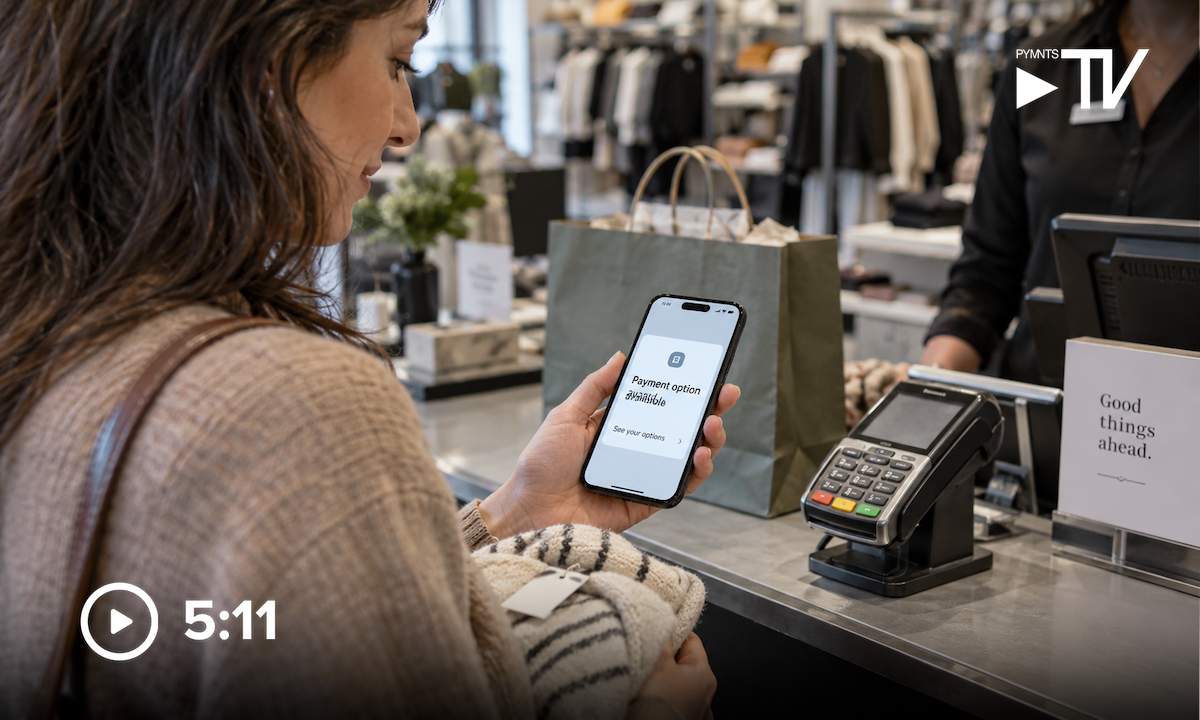
FinTechs must make financial services available when customers need them, including at checkout or while making a purchase.
Expanding into more products works only when accounts, payments, risk controls and other services operate as one customer journey.
Reliability and fraud prevention become part of the customer experience the moment something goes wrong.
Watch more: Need to Know | Sofi Tech Solutions | Prashant Shah
Complete the form to unlock this article and enjoy unlimited free access to all PYMNTS content — no additional logins required.
Speed and simplicity helped FinTechs establish themselves as alternatives to traditional financial institutions.
Those qualities carry less weight as competitive advantages when customers can find fast payments, digital account opening and polished mobile experiences across much of financial services.
Prashant Shah, vice president of product management at SoFi Tech Solutions, said the value proposition now begins with where the customer is and what the customer is trying to accomplish. A consumer might be at a point of sale or online making a purchase. In either case, the financial product has greater utility when it appears within the activity already underway instead of requiring the customer to leave that experience and enter a separate financial application.
Consumers “want to be able to solve the problem they have at the point of their need, rather than having a standalone app,” Shah said.
Faster transactions still count. A clean interface still counts. Yet neither guarantees that a company will own the customer relationship.
FinTechs that began with a narrow product have moved into broader combinations of banking, lending, payments and technology.
Source link