

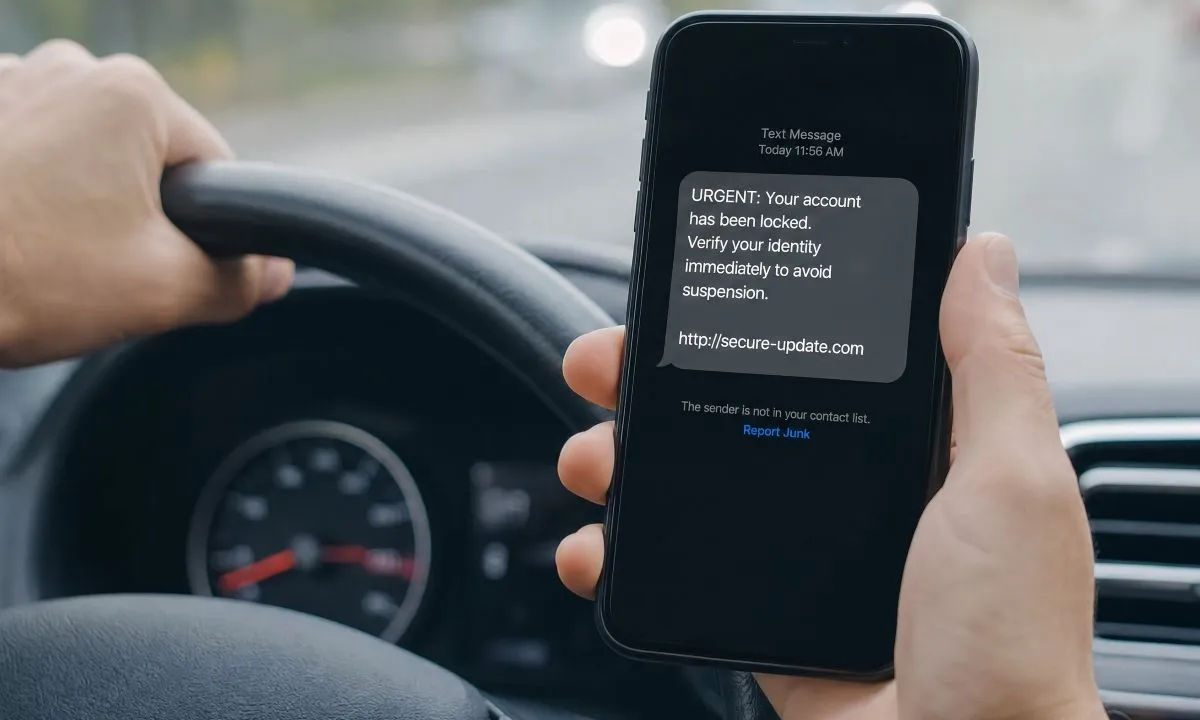
First contact by text rose 35% since September 2025 to 12% of scam victims, while email fell 30% to 13%.
Among Gen Z victims, 15% said their scam began by text, and 23% cited social media.
Within an hour of first contact, 43% of victims made or authorized a payment, narrowing the window for banks and FinTechs to identify a scam before money moves.
A bank can monitor a login, score a transaction and flag unusual account activity. It can’t see the text message that convinced its customer to send the money, which is giving scammers a lucrative way to switch up how they reach victims.
Complete the form to unlock this article and enjoy unlimited free access to all PYMNTS content — no additional logins required.
The PYMNTS Intelligence report “Fraud’s Loyalty Tax: How Scams Cost Banks Their Customers” found in September that first contact by SMS or text rose 35% since September 2025, reaching 12% of victims in July. Email moved in the opposite direction, falling 30% to 13%. Email led text by 10 percentage points less than a year earlier; the difference is now less than 1.5 points.
A scam that begins through a text, social media message or other outside channel can leave scant evidence inside the financial institution until the customer tries to move money.
The transaction itself can be authorized by the account holder. The risk lies in what happened before it. A new recipient, an unusual payment amount or destination, changes in transaction patterns, or other deviations from normal account activity can provide signals even when the institution can’t see the conversation driving the transaction.
Source link





