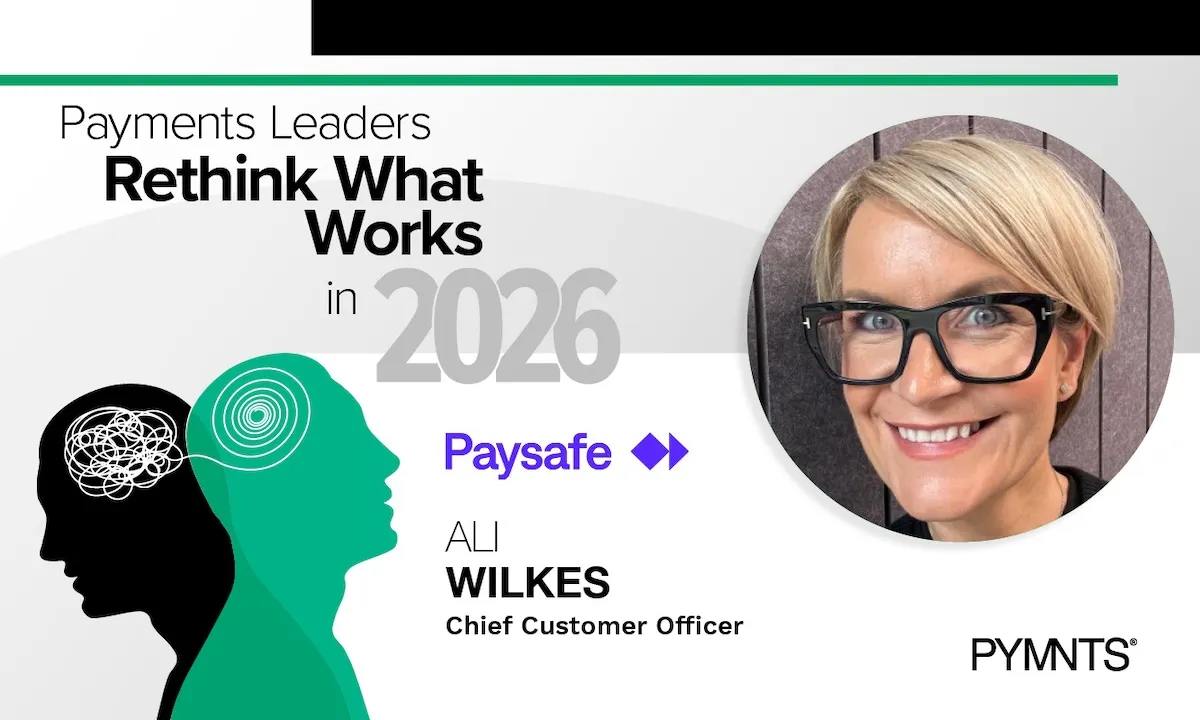
Companies can’t hire, train, automate or optimize their way out of demand that shouldn’t exist in the first place, Paysafe Chief Customer Officer Ali Wilkes writes in a new PYMNTS eBook, “Payments Leaders Rethink What Works in 2026.”
Complete the form to unlock this article and enjoy unlimited free access to all PYMNTS content — no additional logins required.
At the start of 2026, I believed the biggest lever for improving customer experience was speed. If we could answer customers faster, resolve issues quicker, and reduce backlog, customer satisfaction would naturally follow.
It seemed logical. Customers contact us because they need help. The faster we helped them, the better the experience would be. So much of our focus was on service levels, handling times, productivity, and ensuring we had the capacity to keep up with demand.
I wasn’t wrong that speed matters. But I underestimated something more important. I underestimated how much of our contact volume exists because we create work for customers in the first place.
The turning point came when we started breaking down customer contacts at a much more granular level than ever before. Instead of looking at contact volumes through broad categories, we analyzed the specific reasons customers were reaching out, journey by journey, process by process.
What we found surprised me. A significant proportion of our contact volume wasn’t generated by customers needing advice or support. It was generated by friction. Customers contacted us because something was unclear, because they couldn’t self-serve, because a process had failed, because they were waiting for an outcome, or because we hadn’t proactively informed them about what was happening.
Source link