
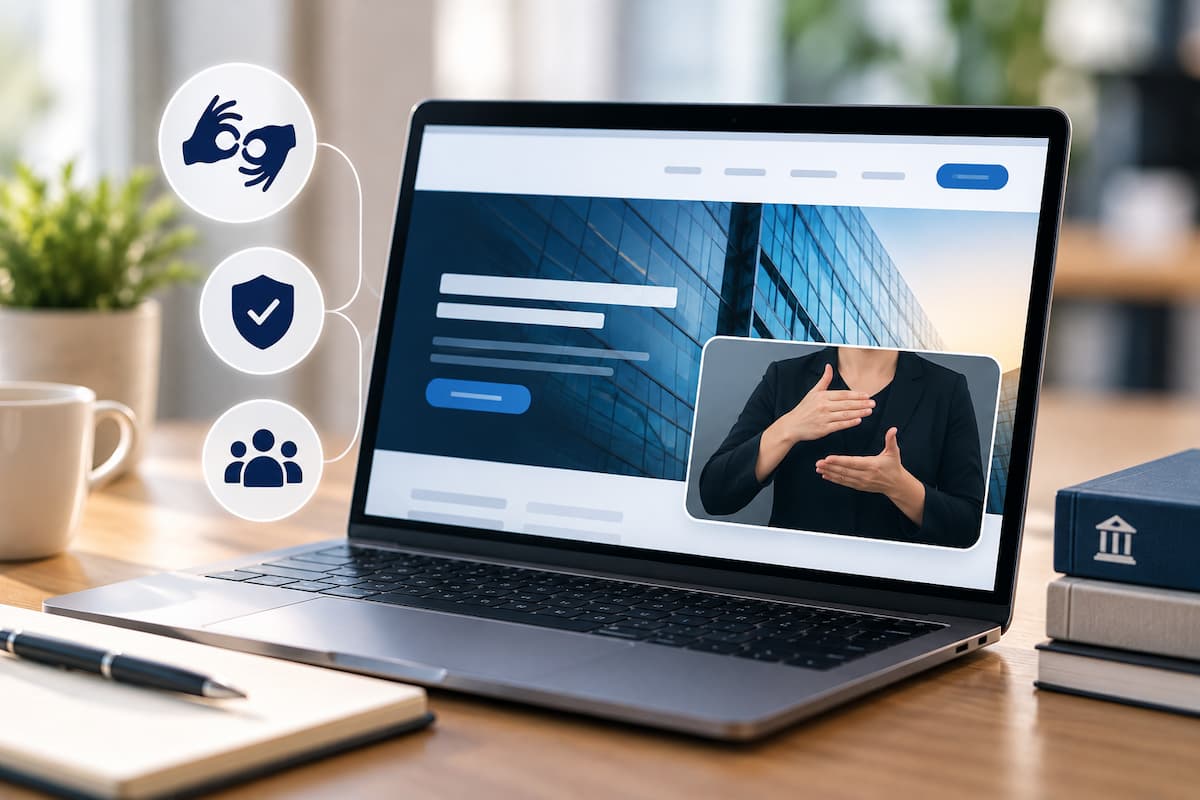
Signly’s service works by connecting organisations with registered BSL translators, all of whom are members of the deaf community. Visitors to either site can request a translation of any webpage at no cost. Once a translation is produced, it is stored and updated automatically whenever the underlying content changes. The company is explicit that its translations are produced by human professionals rather than AI-generated sign language, a distinction that matters for quality and community trust.
Consumer Duty, which came into full effect for open products in July 2023 and for closed books in July 2024, places a positive obligation on firms to ensure customers can access, understand and act on information in a way that leads to good outcomes. The FCA has been clear that accessibility for vulnerable customers is central to that obligation, not a secondary consideration.
Andrew Gething, managing director of MorganAsh, said: “If a person cannot access important financial information in a format that works for them, they risk being excluded from making informed decisions. It’s therefore not just about good practice, but about delivering good outcomes and creating a financial services sector that is fairer, more trusted and more inclusive for everyone.”
The release notes that roughly 87,000 people in the UK use BSL as their primary language, with a broader estimate of around 151,000 people using BSL in some form. A point MorganAsh and Signly both emphasise is that profound deafness does not automatically confer English literacy: for a significant portion of the deaf community, BSL is a first language, and written English is, in effect, a second.
Source link