The race to build more capable artificial intelligence models is moving into a new phase, with Meta and Anthropic unveiling advances aimed at making AI systems more useful for complex, sustained work. The announcements highlight a competitive push to expand what AI can accomplish, from coordinating multiple agents to handling sophisticated software engineering and other technical tasks.
Complete the form to unlock this article and enjoy unlimited free access to all PYMNTS content — no additional logins required.
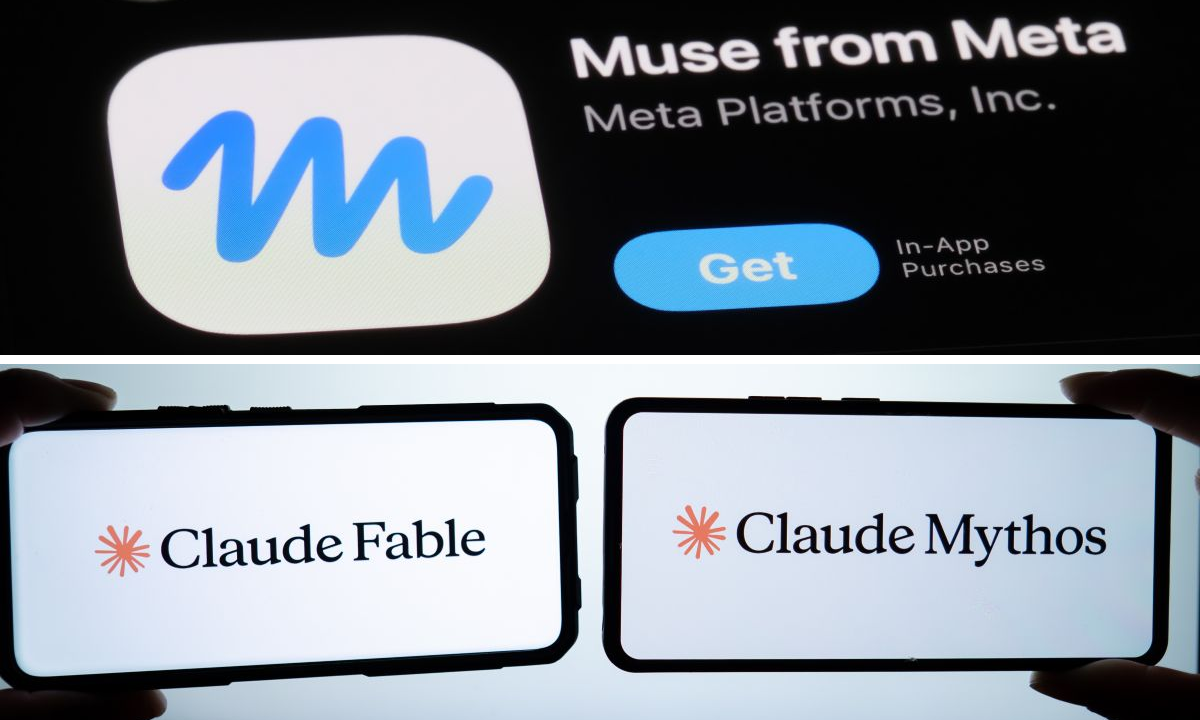
Meta’s Muse Ember, unveiled Monday (Nov. 9), is described as a smaller, more efficient model built to handle repetitive tasks performed by AI agents, including tool calls, coding subtasks, information extraction and document analysis. It can also coordinate business workflows across applications and process large collections of documents or code within a single request.
The model is available through Meta’s Model API at $0.10 per million input tokens and $0.50 per million output tokens. Meta said its internal and third-party evaluations show Muse Ember performing competitively against models from Anthropic and OpenAI, particularly in agent-based workflows and coding. The company also highlighted its ability to process text, images, audio and video, positioning the model for a broad range of enterprise applications.
Anthropic’s Fable 5.2 and Mythos 5.2, also unveiled Monday, are aimed at more demanding technical assignments. Fable can coordinate more than 1,000 AI agents simultaneously, tackle advanced software engineering projects and handle hardware-related work, including controlling robots. Anthropic said both models are faster than their predecessors, while Fable is less expensive.
Source link