
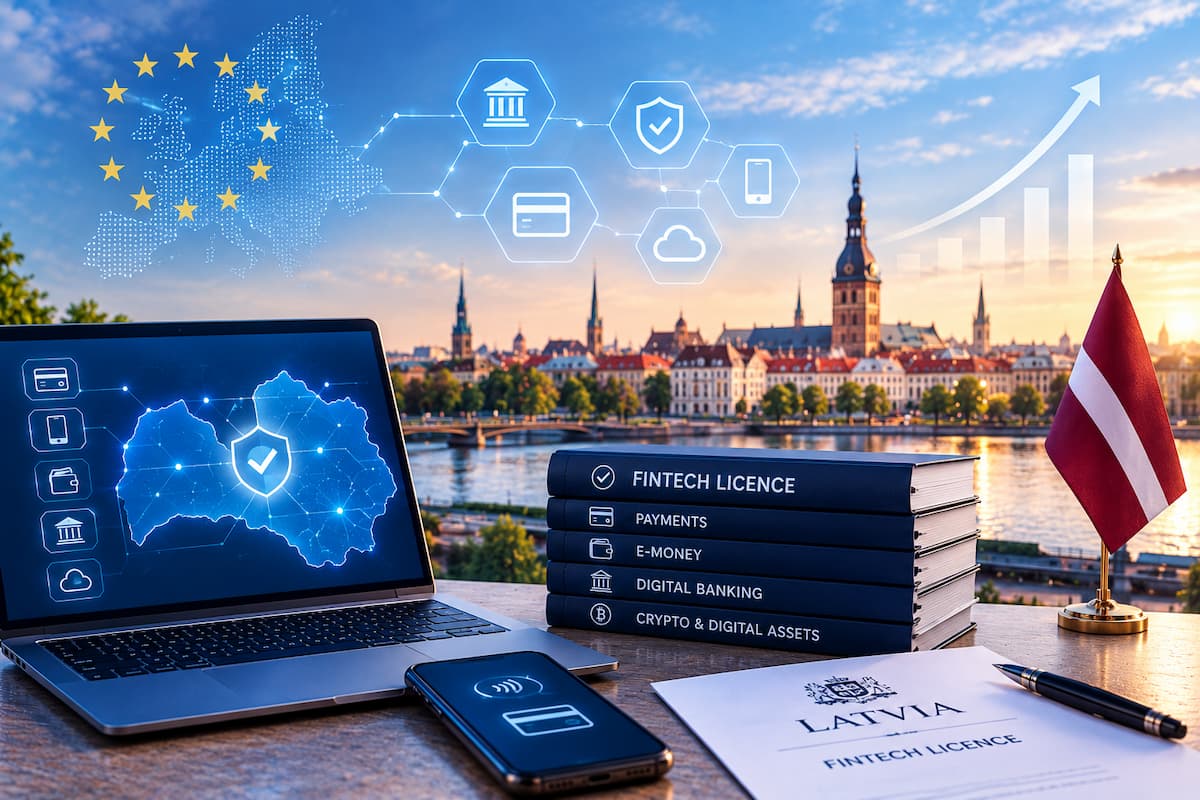
The event is part of a structured effort to channel inbound interest from fintech founders weighing up European domicile options. LIAA’s overseas representatives are frequently the first institutional point of contact for a foreign company exploring EU market entry, and the workshop aimed to equip them with a consistent, facts-based pitch.
Latvia’s central bank operates an Innovation Hub and a regulatory sandbox and offers free pre-licensing consultations. Latvijas Banka says a well-prepared application can be approved within two to three months of submission. That timeline, if borne out in practice, is notably compressed compared with some larger EU jurisdictions where authorisation processes can extend considerably longer and involve more procedural uncertainty.
Deputy Governor Santa Purgaile highlighted the country’s anti-money laundering record as a complementary asset. “Latvia was the first country assessed by MONEYVAL in its new, 6th evaluation round,” she noted, adding that the jurisdiction received a high or substantial effectiveness rating on ten of eleven outcomes. For compliance officers conducting jurisdictional due diligence, a strong MONEYVAL score carries material weight, particularly given the heightened scrutiny applied to Baltic financial centres in the years following a series of high-profile AML enforcement actions across the region.
Latvia’s licensed fintech base now stands at 127 companies. The sector employed 3,644 people at the end of 2024, a nine per cent increase year on year, and generated a total turnover of approximately €372 million. Profits reached €97 million, and the companies contributed more than €91 million in taxes, up 28 per cent on the prior year.
Source link